Scientists Supercharge Immune Cells to Fight Cancer
Scientists at McGill University have discovered how to dramatically boost natural killer cells to attack aggressive cancers that resist standard treatments. The breakthrough could offer hope to patients with limited options while avoiding the risks of permanent genetic modification.
A breakthrough in cancer treatment could soon give new hope to patients battling some of the most aggressive forms of the disease.
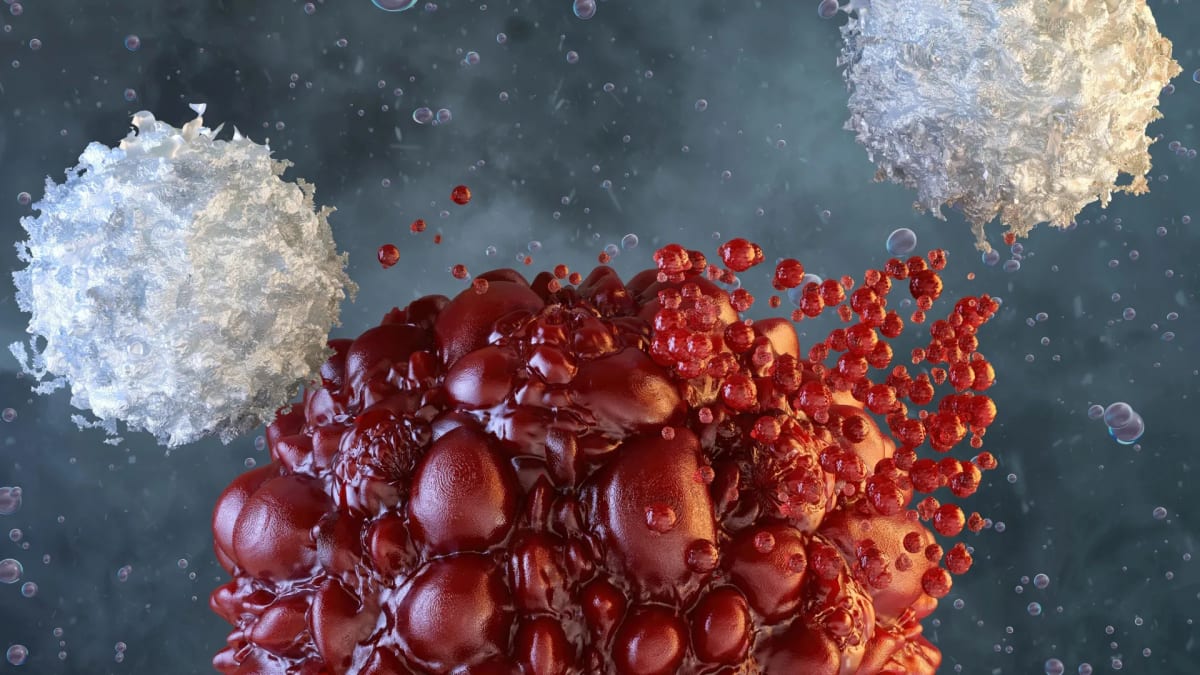
Scientists at McGill University discovered how to supercharge natural killer cells, the immune system's built-in cancer fighters, making them powerful enough to break through tumors' protective barriers. By temporarily blocking two specific proteins, researchers turned these cells into fierce attackers against cancers that typically resist treatment.
The enhanced immune cells successfully destroyed human cancer cells from leukemia, glioblastoma, kidney cancer, and triple-negative breast cancer in laboratory studies. In animal models, the treatment significantly slowed tumor growth.
"This approach is particularly promising for patients who currently have very few options, when standard treatments have failed," said senior author Michel L. Tremblay, Distinguished James McGill Professor in McGill's Department of Biochemistry.
What makes this discovery especially exciting is how it avoids the risks associated with permanent genetic engineering. Instead of permanently altering immune cells, the team used small-molecule drugs to temporarily boost their cancer-fighting abilities. Because the changes are reversible, the therapy could offer a safer and more controllable alternative to existing treatments.
The technique also solves practical challenges that have limited access to immunotherapy. The natural killer cells come from donated umbilical cord blood and can be stored for use by multiple patients. This eliminates the weeks-long, expensive process of extracting and customizing each patient's own immune cells.
"These NK cells can be ready to use immediately," the researchers explained. Research scientist Chu-Han Feng added that the approach "will make immunotherapy at McGill University Health Centre faster, safer and more affordable."
Why This Inspires
This breakthrough represents more than scientific progress. It embodies hope for thousands of patients who face aggressive cancers with few treatment options. The researchers' gratitude to mothers who donated cord blood highlights a beautiful chain of generosity: gifts given at birth could one day save lives years later.
The team is now working toward human clinical trials, with acute myeloid leukemia as one of the first targets. While awaiting funding and regulatory approval, the research already demonstrates what's possible when scientists focus on making treatments not just more effective, but more accessible.
Tomorrow's cancer therapy might be both more powerful and more human, built on temporary boosts rather than permanent changes, and available when patients need it most rather than weeks later.
Based on reporting by Health Daily
This story was written by BrightWire based on verified news reports.
Spread the positivity!
Share this good news with someone who needs it