Scientists Tag First Nesting Leatherback Turtle in Ecuador
A team of marine biologists spent nights on a remote Ecuadorian beach to attach a tracking device to Lucero, a rare Eastern Pacific leatherback sea turtle. The data from this historic first could help save one of the world's most endangered sea turtle populations.
Scientists have tagged the first nesting leatherback sea turtle ever recorded in Ecuador, opening a window into the lives of one of the ocean's most mysterious giants.
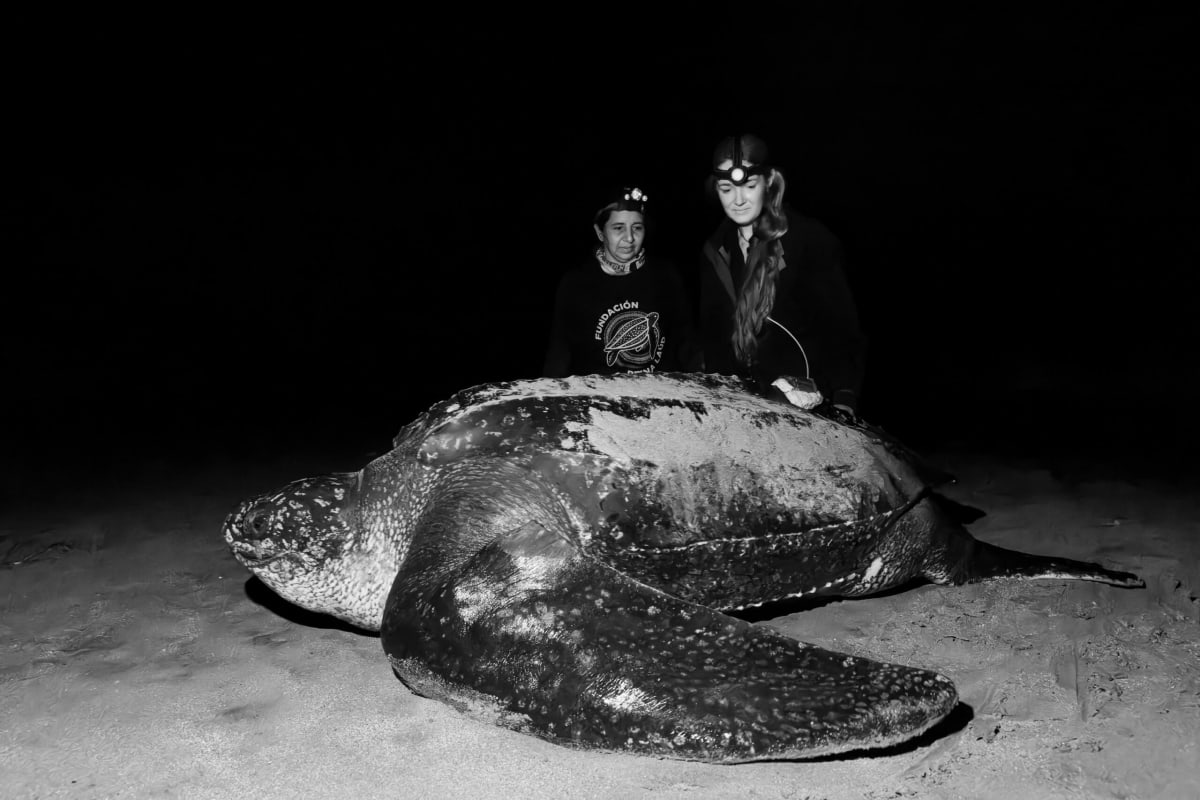
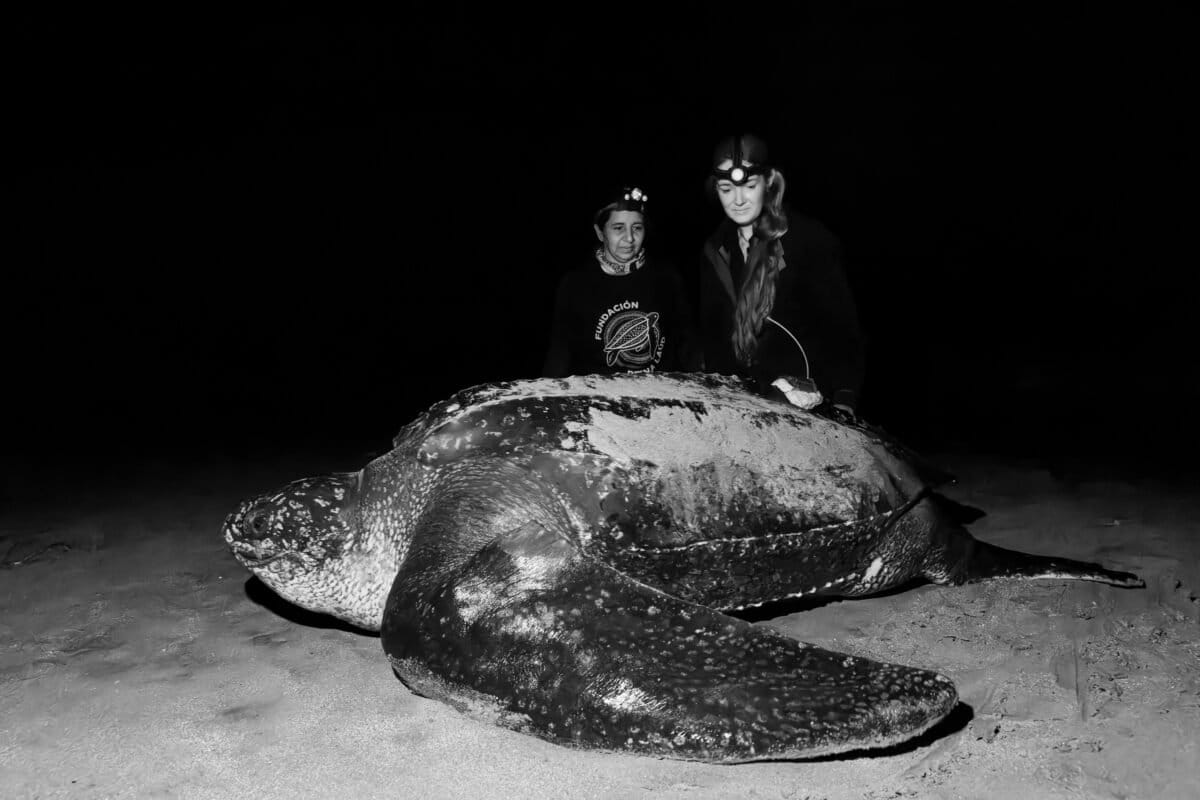
The turtle, named Lucero ("morning star" in Spanish), emerged from the Pacific waves onto a remote beach to lay her eggs. Researchers had spotted her from a boat and raced to alert their team on shore, but they had no idea where along the coastline she would appear.
"It was really quite an adventure because we just spent multiple nights out on the beach waiting for her," said Callie Veelenturf, marine conservation biologist and founder of the Leatherback Project. The team stationed people along the beach with radios, watching and waiting.
When Lucero finally emerged and entered the trance-like state that overtakes sea turtles during nesting, the team carefully attached a satellite tag to the top of her shell. Now, every time the 2,000-pound turtle surfaces to breathe, the tag transmits her location and movements to scientists.
This matters more than ever. Fewer than 1,000 Eastern Pacific leatherbacks remain, down a staggering 98% over recent decades. Their biggest threat is getting tangled in fishing nets, which kills turtles and damages expensive fishing equipment.
By following Lucero's journey, researchers can map exactly where she travels, when, and how deep she dives. This information helps fishers avoid areas where leatherbacks feed, protecting both the turtles and the fishing industry.
The Ripple Effect
Saving leatherbacks helps everyone who depends on healthy oceans. These massive turtles can eat their weight in jellyfish every single day, and jellyfish feast on juvenile fish and fish larvae. A healthy leatherback population means more fish for fishing communities.
Since laying her eggs on that Ecuadorian beach, Lucero has migrated south to coastal Peru. Her tag should keep transmitting for a year or two, revealing migration routes and feeding grounds that have remained hidden until now.
"Every day I check it and hold my breath and wait to see the transmitting signal," Veelenturf said.
At an estimated 25 to 40 years old, Lucero has survived decades in waters that have become increasingly dangerous for her kind, and now she's lighting the way toward their protection.
More Images

Based on reporting by Mongabay
This story was written by BrightWire based on verified news reports.
Spread the positivity!
Share this good news with someone who needs it