Scientists Take Solar Geoengineering from Fiction to Reality
After 60 years on the sidelines, technologies that reflect sunlight to cool Earth are gaining serious momentum. Researchers worldwide are now testing and developing solar modification methods once dismissed as science fiction.
Scientists are dusting off a climate idea that's been waiting since 1965 for its moment.
Back when Lyndon B. Johnson was president, his science advisors proposed a wild concept: what if we could spray reflective particles over the oceans to cool the planet? The idea, called solar radiation modification, mimicked how volcanic eruptions naturally cool their surroundings by releasing sulfur particles that bounce sunlight back into space. For decades, it stayed firmly in the realm of theory, dismissed as too risky or too fantastical to pursue.
But times have changed. With record heat waves, melting glaciers, and intensifying storms becoming our new normal, researchers are taking a serious second look.
"Interest is accelerating from governments, from private companies, from research institutions globally," says Michael Thompson of the Alliance for Just Deliberation on Solar Geoengineering. The question isn't whether this research happens anymore. It's who gets to shape it and whose concerns guide the decisions.
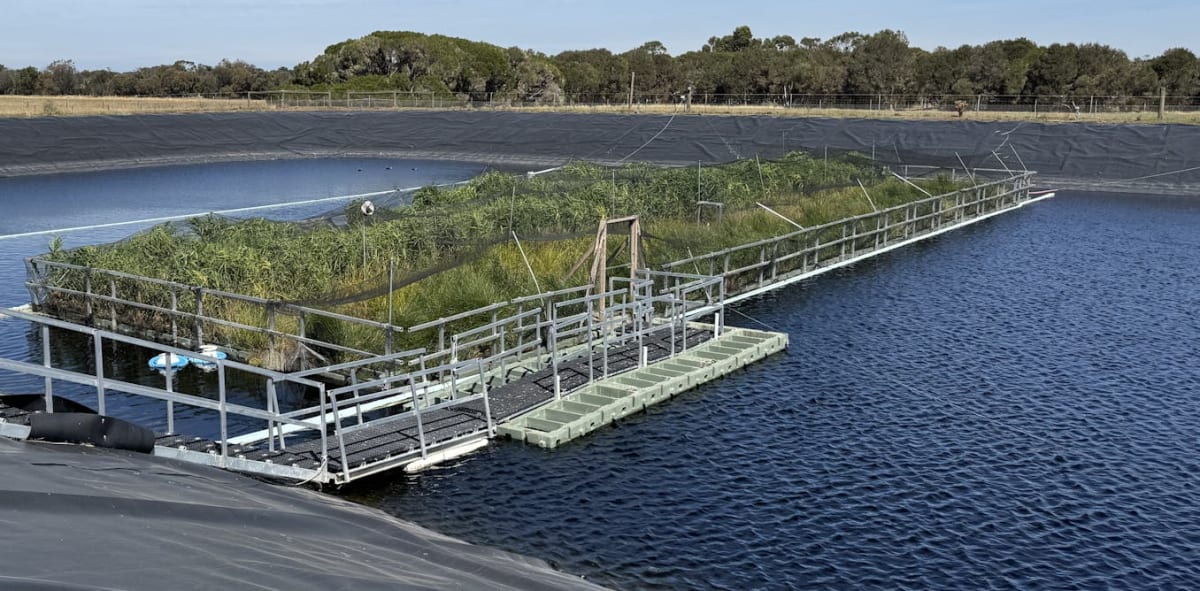
The evidence is everywhere. The UK's Advanced Research and Invention Agency launched outdoor solar geoengineering experiments last year. Russia has conducted atmospheric trials. Australia is testing marine cloud brightening to protect coral reefs from bleaching. Harvard and other American universities have dedicated research departments studying these technologies.
Private investment is pouring in too. Companies have invested over $100 million in developing Earth-cooling technology. Stardust Solutions, a leading firm staffed by former members of Israel's nuclear energy program, recently published details about particle technology designed to cool the planet.
More than 100 scientists published statements urging additional climate intervention studies. The American Geophysical Union backed further research. Real-world deployment could involve aerosol injection, marine cloud brightening, or cirrus cloud thinning.
Why This Inspires
What makes this genuinely hopeful isn't just the technology itself. It's watching the scientific community move from dismissal to deliberation. Researchers aren't rushing to deploy these methods tomorrow. They're asking the hard questions now about governance, safety, and whose voices matter in these decisions.
The UN still urges caution, noting these methods don't address emissions at their source. Environmental groups rightly worry about unintended consequences. But the conversation has shifted from "this is crazy" to "let's understand this carefully."
We're not looking at a magic fix, but we might be gaining another tool in humanity's climate toolkit.
Based on reporting by Google News - Climate Solution
This story was written by BrightWire based on verified news reports.
Spread the positivity!
Share this good news with someone who needs it