Scientists Test Space Solar Beams to Power Earth at Night
A Virginia research team is developing satellites that beam solar power to Earth after dark, potentially solving renewable energy's biggest challenge. The technology could keep solar panels generating clean electricity 24/7.
Solar power might soon work around the clock, thanks to scientists testing an ambitious solution from outer space.
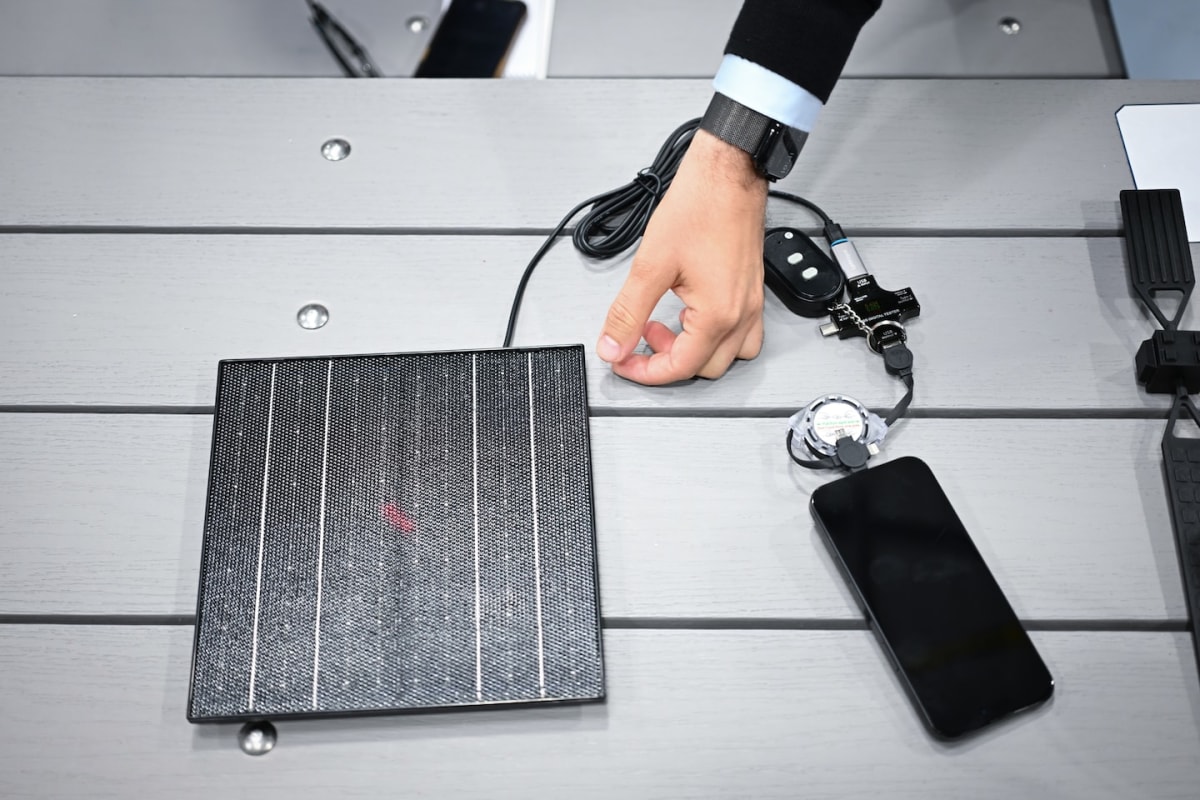
Researchers in Northern Virginia are developing a system that captures the sun's energy with satellites and beams it down to Earth using what they call "power beams." Think of it as a kilometer-wide stream of concentrated solar energy transmitted wirelessly to panels on the ground.
The project tackles solar energy's fundamental limitation: it only works when the sun is shining. That means no power generation at night and reduced output on cloudy days, forcing grids to rely on backup energy sources.
The satellite solution changes that equation entirely. Orbiting above Earth's atmosphere, these satellites would stay in constant sunlight, collecting solar energy without weather interference or nighttime gaps.
When power is needed on Earth, the satellites transmit energy down through the atmosphere to receiving stations. The technology builds on decades of wireless power transmission research, now scaled up for practical grid applications.
The team chose Northern Virginia for their laboratory work, a region experiencing massive power demands from its concentration of data centers. These facilities run 24/7 and consume enormous amounts of electricity, making them ideal test cases for continuous clean energy solutions.
The Ripple Effect
Space-based solar power could reshape how we think about renewable energy reliability. Unlike ground-based solar farms that need battery storage for nighttime power, satellite systems generate continuously.
The implications extend beyond just solving solar's intermittency problem. Rural communities and disaster zones could receive power without physical infrastructure, transmitted directly from orbit to temporary receiving stations.
Power grids struggling to balance renewable energy with constant demand could find new flexibility. Instead of building massive battery arrays to store daytime solar power, they could simply beam down energy whenever needed.
The technology also opens possibilities for powering remote locations where traditional grid connections prove impractical or expensive. Islands, research stations, and developing regions could access clean energy without undersea cables or long transmission lines.
While the system still requires extensive testing and development before widespread deployment, the Virginia lab work represents a crucial step toward making space solar commercially viable. Early demonstrations will show whether the technology can scale efficiently and deliver power at competitive costs.
This isn't science fiction anymore. It's scientists working methodically to make an extraordinary idea practical, bringing us closer to a world where clean energy never stops flowing.
Based on reporting by Google News - Clean Energy
This story was written by BrightWire based on verified news reports.
Spread the positivity!
Share this good news with someone who needs it