Scientists Track 60 Bottles to Map Pollution from Raleigh to Sea
Researchers are tracking GPS-equipped bottles floating 70 miles from Raleigh creeks to the Atlantic Ocean, revealing exactly how urban trash reaches our coasts. Anyone who spots a bottle can scan it and help map the journey of pollution through North Carolina's waterways.
When you toss a candy wrapper on a Raleigh street, it might end up floating in the Pamlico Sound weeks later. Scientists are now proving exactly how that happens, one GPS-tracked bottle at a time.
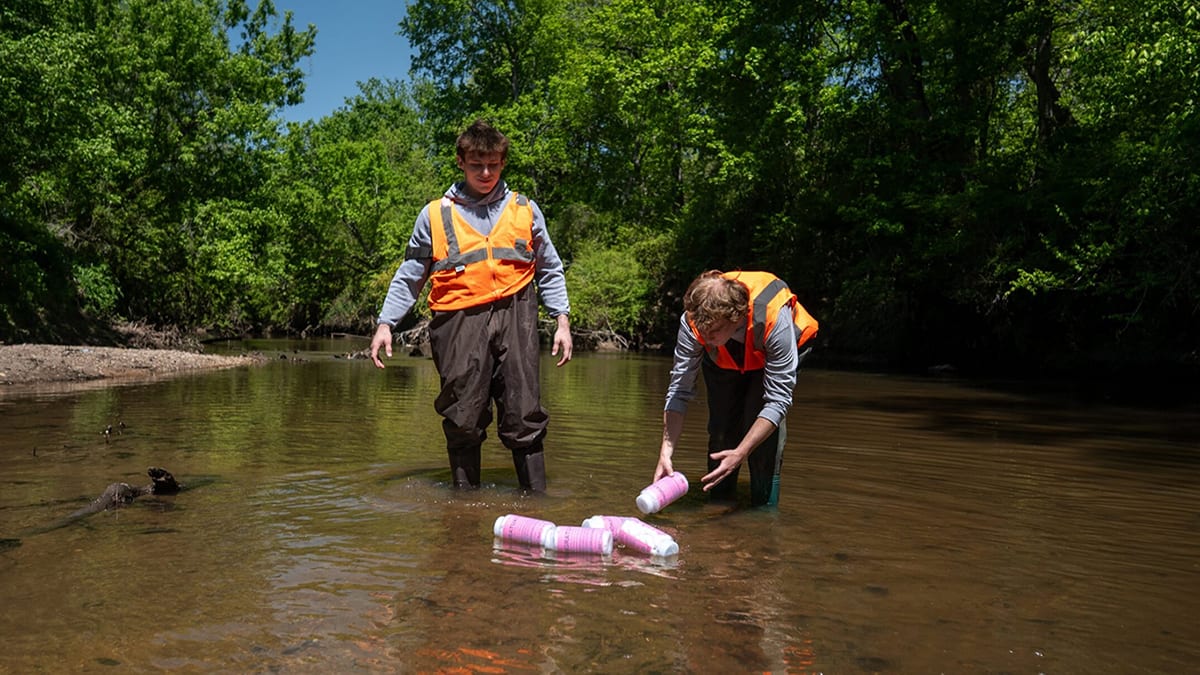
Researchers from North Carolina Sea Grant and NC State University released 60 brightly colored bottles into Raleigh-area creeks last year. Each bottle carries a GPS tracker and a QR code, turning weekend kayakers and beachgoers into citizen scientists who can log sightings and help map trash's journey downstream.
One bottle named Tatiana the Trash has already traveled 70 miles from a Northeast Raleigh creek toward the Atlantic Ocean. Dan the Debris barely budged from its starting point in Marsh Creek. Together, they're revealing surprising patterns about how stormwater carries litter from city streets into coastal waters.
"Even though we're up here in Wake County, the Neuse River carries a lot of our pollutants down to the coast," said Christy Perrin, the study's co-lead investigator. "Our coastal neighbors unfortunately have a cumulative impact of our river and the watersheds upstream."
The team installed three litter traps in Marsh Creek and counts every piece of trash after each rainstorm. Madison Haley, a doctoral student leading the field research, discovered that bigger storms flush far more trash into streams. High-traffic roads and industrial areas create the worst litter hotspots.
The findings are already guiding targeted cleanup efforts. By partnering with The Great Raleigh Cleanup, a nonprofit that has removed 45,000 pounds of litter since 2020, researchers are pinpointing exactly where to focus prevention work.
Anyone exploring the Neuse River or Pamlico Sound can join the hunt. If you spot one of the study bottles, just scan the QR code to log its location and toss it back in. The GPS trackers eventually lose battery power, making these sightings crucial for tracking long-distance travel.
The Ripple Effect
This study is proving something coastal communities have long suspected: pollution doesn't respect city limits. What gets dropped in an urban parking lot 100 miles inland can wash up on barrier island beaches weeks later.
The research comes at a perfect time. July is Plastic Free July, a global movement encouraging people to reduce single-use plastics. By showing the direct connection between littering in cities and plastic pollution choking coastal ecosystems, the study gives everyone a concrete reason to pick up that stray bottle cap.
The bottles are moving slower than researchers expected, which actually strengthens the case for upstream prevention. Trash lingers in waterways for months or years, breaking down into harmful microplastics that poison fish and wildlife.
Haley hopes the project helps people see their connection to distant waters. "Everything that we do here doesn't necessarily stay in our own community," she said. "The plastic persists for a very long time and moves through our waterways."
Your next beach walk could turn into a scientific contribution, one floating bottle at a time.
More Images


Based on reporting by Google News - Researchers Find
This story was written by BrightWire based on verified news reports.
Spread the positivity!
Share this good news with someone who needs it