Scientists Track Monarchs With Tiny Radio Tags
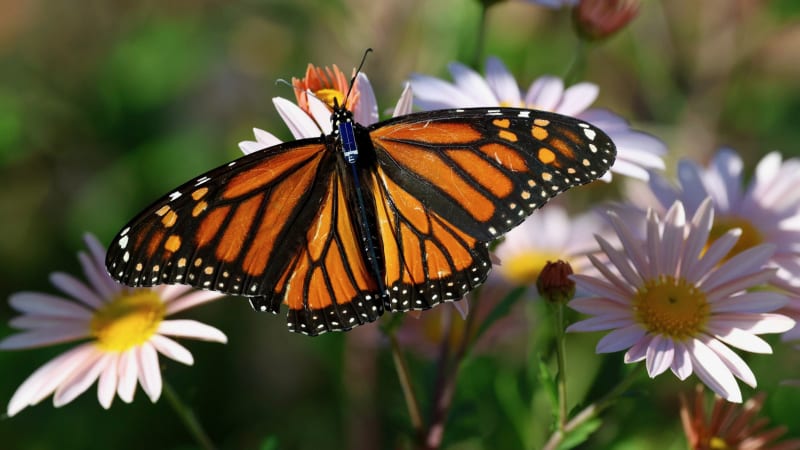
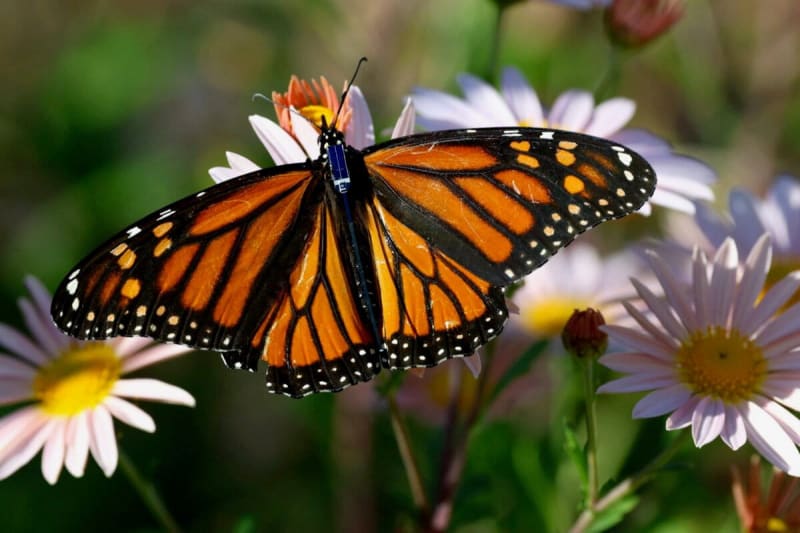
For the first time, researchers are using lightweight radio technology to track monarch butterflies during their epic 3,000-mile migration across North America. The breakthrough is filling crucial gaps in understanding one of nature's most mysterious journeys.
Scientists just cracked a major mystery about one of nature's most incredible road trips.
Every fall, millions of monarch butterflies travel up to 3,000 miles from Canada and the United States to Mexico. Despite decades of study, scientists knew surprisingly little about what happens during this journey. Where do the butterflies stop? How do they navigate? What threats do they face along the way?
Now researchers have found an answer. They're attaching tiny radio tags to monarchs, light enough that the delicate insects can carry them without trouble.
The technology works like a fitness tracker for butterflies. As tagged monarchs fly south, researchers can monitor their movements in real time. For the first time, they're seeing exactly where butterflies rest, how weather affects their flight, and which habitats they need most.
The data is already revealing surprises. Scientists are discovering stopover sites they never knew existed and learning which landscapes help monarchs survive the grueling journey. This information was impossible to gather before because monarchs are too small for traditional tracking devices and too numerous to follow individually.
The timing couldn't be better. Monarch populations have dropped dramatically over the past two decades due to habitat loss and climate change. Understanding their migration is essential to protecting them.
The Ripple Effect
These tiny radio tags are doing more than tracking butterflies. They're helping conservationists identify exactly where to focus habitat restoration efforts along the migration route. If scientists know which forests, fields, and gardens monarchs depend on, communities can protect those spaces.
The technology is also inspiring similar projects with other small migrating species that were previously impossible to track. What works for monarchs could work for other pollinators, songbirds, and insects that scientists have struggled to study.
Perhaps most importantly, the research is giving hope to conservation efforts. Instead of guessing where help is needed most, scientists now have concrete data to guide protection strategies. Every tagged butterfly is contributing to a bigger picture of how to ensure these orange and black travelers keep making their incredible journey for generations to come.
The monarchs are still flying, and now we're finally flying alongside them.
More Images

Based on reporting by Mongabay
This story was written by BrightWire based on verified news reports.
Spread the positivity!
Share this good news with someone who needs it