Scientists Turn August Eclipse Into Lab in the Sky
When the sky goes dark over Iceland and Spain on August 12, researchers will launch jets and 80 balloons to unlock secrets about our sun, atmosphere, and even Einstein's theories. Students across the globe are joining the race to capture data during the eclipse's precious two minutes of darkness.
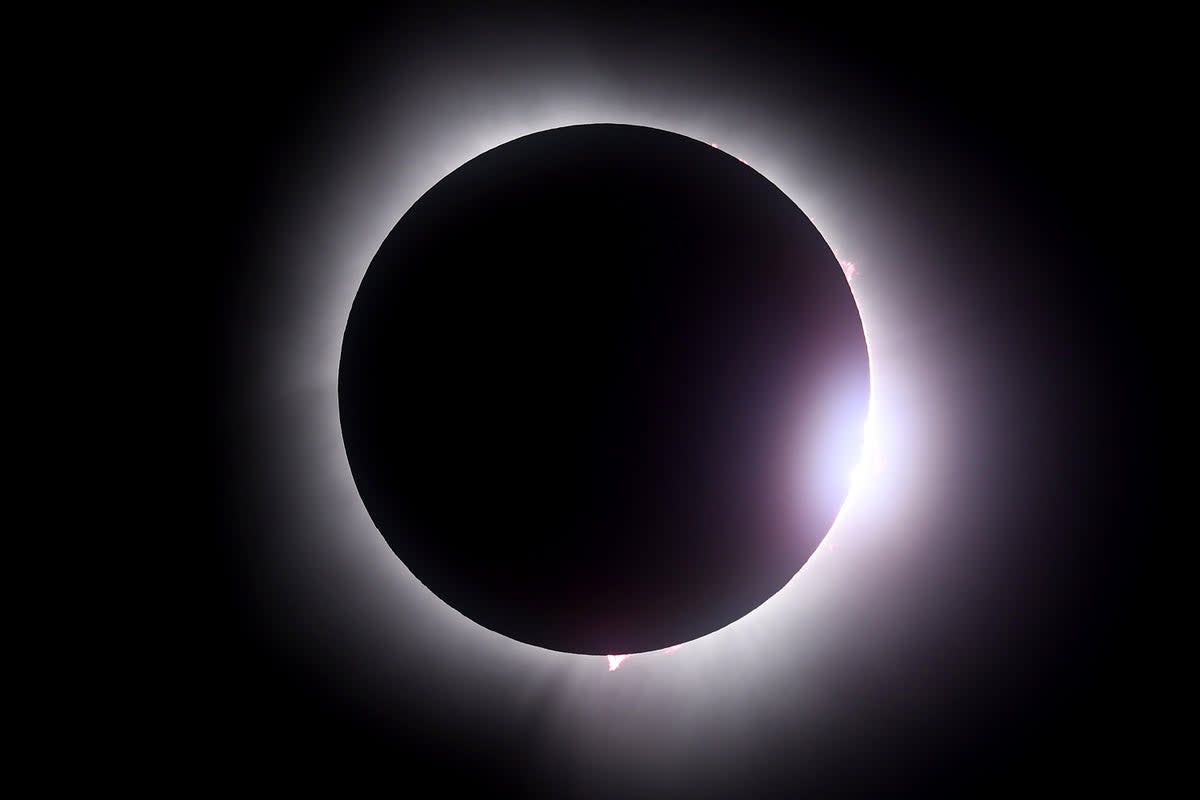
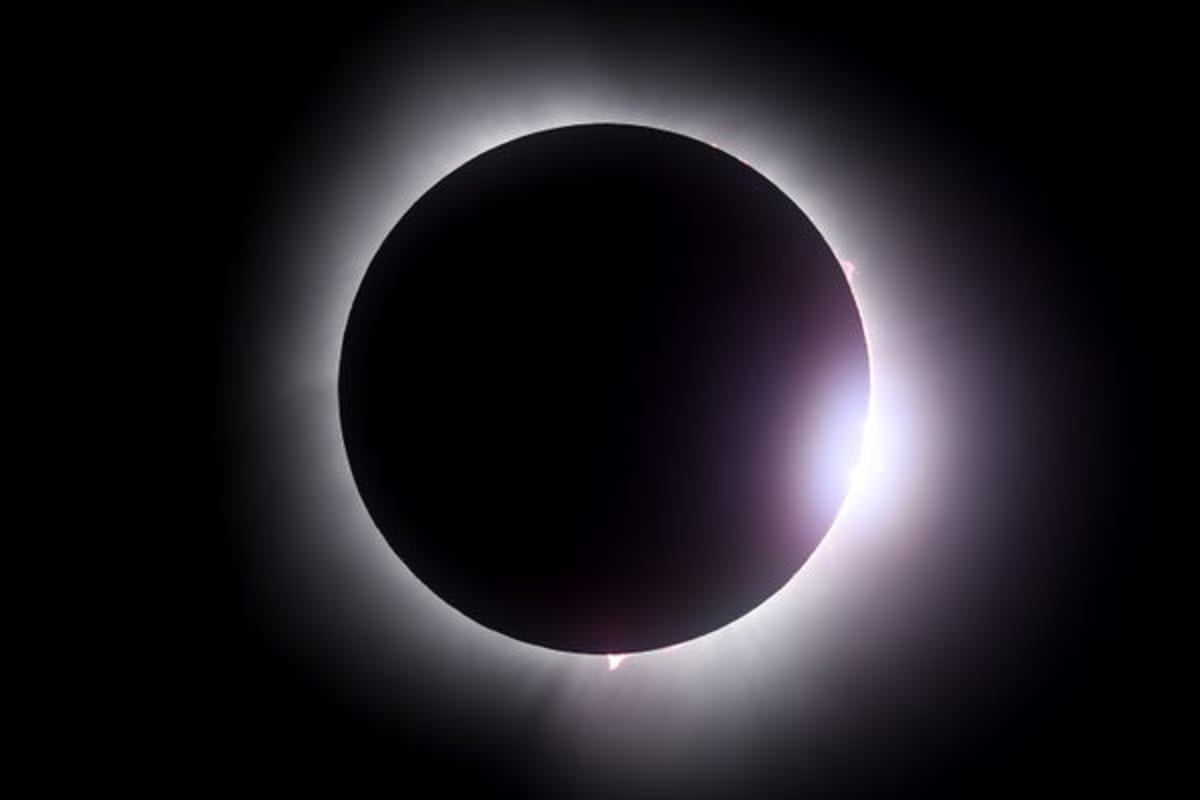
On August 12, the moon will block the sun for just two minutes and 18 seconds, and scientists are turning that fleeting darkness into the world's most exciting outdoor laboratory.
Three NASA research jets will chase the eclipse over Iceland at 470 miles per hour, cameras pointed at the sun's glowing corona. Flying at 50,000 feet, they'll capture images in wavelengths impossible to see from the ground, revealing secrets about the sun's mysterious outer atmosphere.
"The surface of the sun is a million times brighter than the solar corona," says Amir Caspi, a solar physicist at the Southwest Research Institute. "An eclipse gives you that rare opportunity by blocking out something a billion times brighter."
But the jets won't be alone in the sky. Student teams from across the United States are launching 80 balloons above Spain and Iceland, carrying everything from atmospheric sensors to Geiger counters. Some will hunt for gravity waves, ripples of air that could help scientists better understand weather patterns and climate change.
Angela Des Jardins, who leads the Nationwide Eclipse Ballooning Project at Montana State University, already found evidence of these special eclipse-created waves during the 2024 North American eclipse. Now she's figuring out exactly where and when they form, knowledge that could improve climate models and help us understand how pollution moves through our atmosphere.
Other balloons will measure cosmic radiation during the eclipse, testing whether the moon's shadow actually affects how much space radiation reaches Earth. The Spanish team launching 16 balloons admits they don't know what they'll find, but that's exactly the point.
Why This Inspires
What makes this eclipse special isn't just the science. It's who's doing it. Students are designing experiments, building equipment, and pushing the limits of what inexpensive balloon systems can accomplish. They're sharing live video from 20 miles up so everyone can witness the spectacle.
"A total eclipse is the most exciting event that nature can give you," says Alex Mendiolagoitia of the Spanish Federation of Astronomical Associations. His team sees the eclipse as a chance to invite the public into the wonder of science, transforming curiosity into participation.
Some researchers are even recreating Einstein's famous test of general relativity, proving that a century-old experiment still inspires new generations of scientists. The eclipse becomes more than a research opportunity. It's a moment when the whole world looks up together, when students become scientists, and when two minutes of darkness can illuminate our understanding of the universe.
More Images


Based on reporting by Scientific American
This story was written by BrightWire based on verified news reports.
Spread the positivity!
Share this good news with someone who needs it