Scientists Turn Cancer's Own Messengers Into Healing Tools
Researchers at National Taiwan University have reprogrammed tiny particles released by cancer cells, transforming them from disease spreaders into precise drug delivery vehicles. This breakthrough could lead to safer, more personalized cancer treatments using the tumor's own biology against itself.
Imagine hijacking cancer's secret communication system and rewriting its messages to deliver healing instead of harm.
That's exactly what Dr. Chi-An Cheng and her team at National Taiwan University have accomplished. They've developed a way to intercept and reprogram tiny particles called extracellular vesicles (EVs) that cancer cells release into the bloodstream.
These microscopic capsules normally act as dangerous messengers, carrying molecules that help cancer spread throughout the body. But the research team saw potential where others saw only threat.
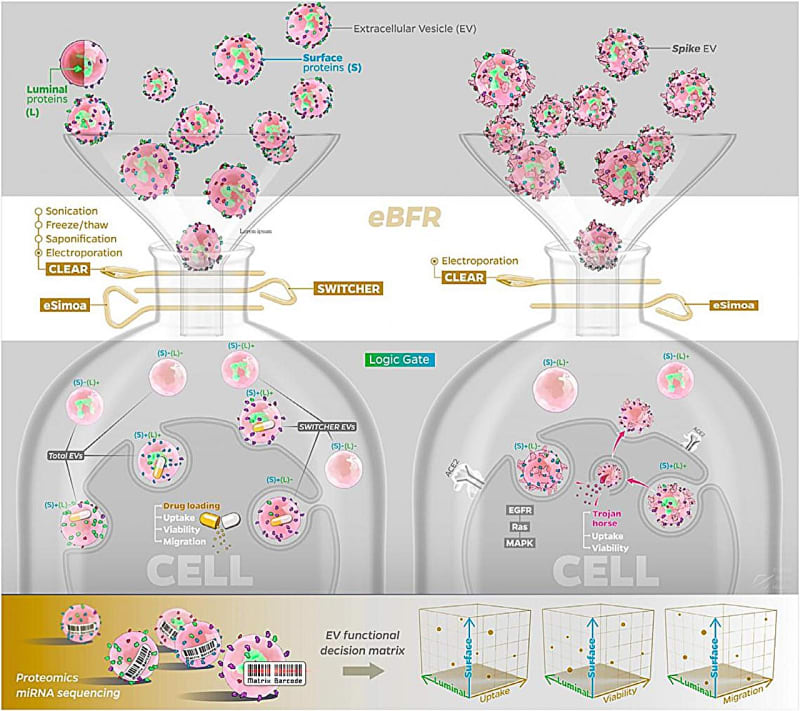
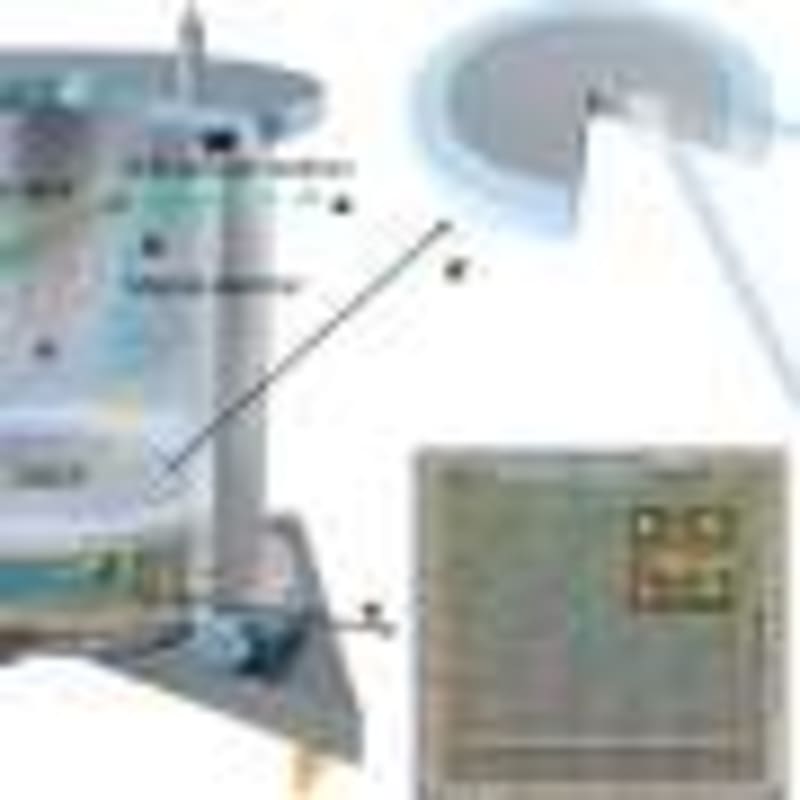
Their solution is a platform called eBFR (EV Bimodal Functional Regulator), published in Advanced Functional Materials. It works like a molecular editing suite, allowing scientists to separate the harmful inside contents from the useful outer shell of these vesicles.
The platform combines three tools working together. CLEAR removes the dangerous cargo while keeping the vesicle's surface intact. SWITCHER gently selects only the EVs with the right surface proteins. And eSimoa measures the components with incredible precision, down to single molecules.
This matters because researchers can now transform these cancer-produced particles into programmable drug carriers. Think of it like capturing enemy supply trucks and repurposing them to deliver medicine directly to the battlefield.
In early testing, these reprogrammed EVs carried more medication and worked better against tumors than previous methods. The approach opens doors to treatments customized for each patient's unique cancer.
The Ripple Effect
This research represents more than just a clever scientific trick. It demonstrates a fundamental shift in how we might treat cancer in the future.
Instead of introducing foreign materials that the body might reject, doctors could potentially use particles the body already recognizes as safe. These reprogrammed EVs speak the body's language, potentially reducing side effects while improving effectiveness.
The precision editing capability also means treatments could be tailored to individual patients. Each person's cancer is slightly different, and this platform offers the flexibility to adjust the therapeutic cargo accordingly.
Dr. Cheng captures the significance simply: "We're not just studying EVs anymore, we're shaping them." Her team has essentially created a toolkit that turns cancer's communication system into a therapeutic asset.
The work bridges basic biology research with practical medical applications. By understanding exactly how these vesicles function at both surface and internal levels, scientists can engineer them with unprecedented control.
This approach could eventually extend beyond cancer to other diseases where extracellular vesicles play a role. The platform's modular design means it can adapt to different medical challenges.
The research is still in preclinical stages, meaning human trials lie ahead. But the foundation is solid, built on peer-reviewed science and validated testing.
What began as an effort to understand cancer's messaging system has become a blueprint for turning the disease's own tools into weapons for healing.
More Images

Based on reporting by Phys.org
This story was written by BrightWire based on verified news reports.
Spread the positivity!
Share this good news with someone who needs it