Scientists Turn Plastic Bottles Into Parkinson's Drug
Researchers in Edinburgh engineered bacteria to transform waste plastic bottles into L-DOPA, a critical Parkinson's disease treatment. This breakthrough could revolutionize sustainable medicine while tackling plastic pollution.
Scientists just figured out how to turn your old water bottle into life-saving medicine.
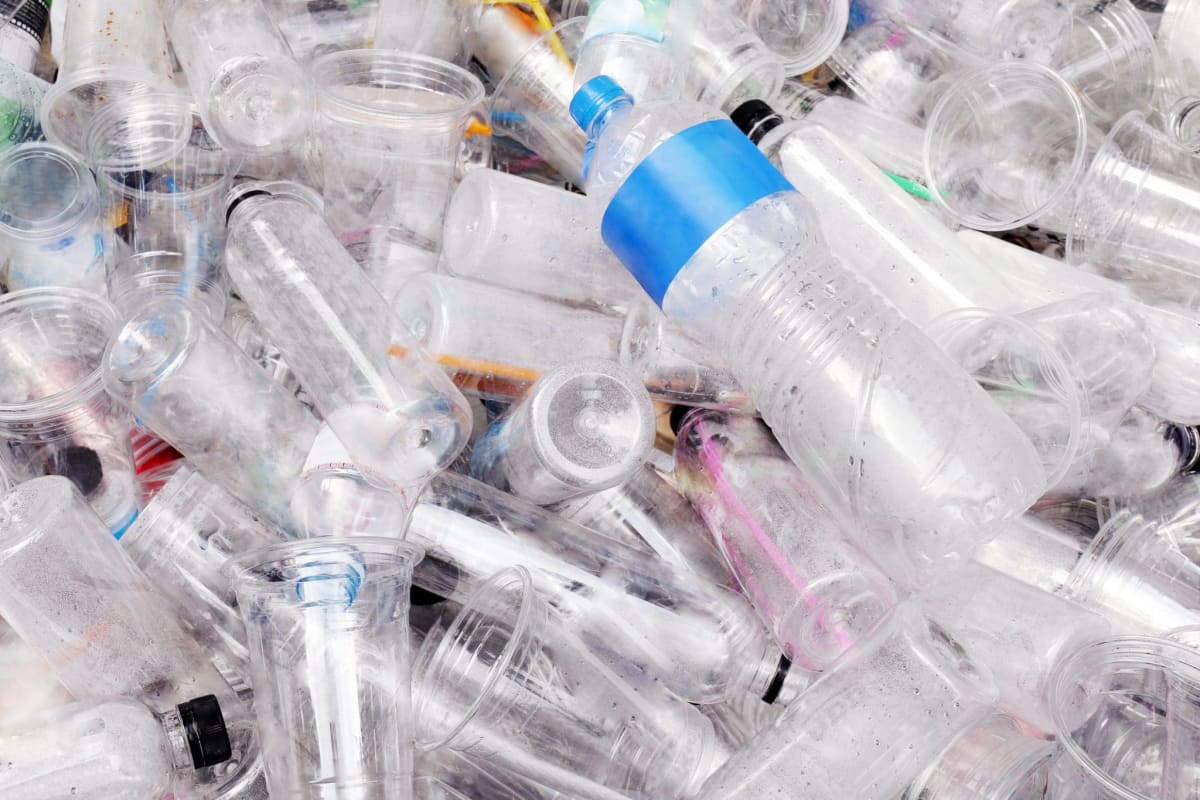
Researchers at the University of Edinburgh developed a groundbreaking method to convert plastic waste into L-DOPA, the primary drug used to treat Parkinson's disease. By engineering E. coli bacteria, they successfully transformed polyethylene terephthalate (PET) plastic into this essential medication.
The process works in two steps. First, the bacteria break down PET plastic from food and drink packaging into a chemical building block called terephthalic acid. Then, the system converts that acid into L-DOPA, which helps Parkinson's patients by replenishing dopamine in the brain and improving motor control.
This marks the first time scientists have used biology to turn plastic waste into a drug for a brain disease. The findings appear in the journal Nature Sustainability.
Traditional pharmaceutical production relies heavily on fossil fuels and uses petroleum-derived chemicals through energy-intensive, multi-step processes. These methods generate toxic byproducts, harsh solvents, and hazardous waste that can contaminate water and soil. Meanwhile, PET recycling has become increasingly limited and inefficient, sending millions of tons of plastic to landfills, incinerators, or directly into the environment each year.
The Ripple Effect
This discovery addresses two global crises simultaneously. Plastic pollution continues choking our oceans and landscapes, while millions of people worldwide need access to affordable Parkinson's treatments. By repurposing discarded plastic into medicine, the technology transforms what we considered waste into a valuable resource.
The new microbial method offers a simpler, cleaner synthesis that reduces reliance on toxic chemicals and harsh industrial conditions. Professor Stephen Wallace from the School of Biological Sciences sees enormous potential beyond just one drug. "If we can create medicines for neurological diseases from waste plastic bottles, it's exciting to imagine what else this technology could achieve," he said.
The team plans to advance the technology toward industrial application by optimizing the process, improving scalability, and assessing its environmental and economic performance. Professor Charlotte Deane from UKRI emphasized how this research demonstrates engineering biology's power to tackle society's most pressing challenges while benefiting both people and the planet.
The carbon trapped in discarded plastic bottles could soon save lives instead of sitting in landfills for centuries.
More Images


Based on reporting by Google News - Breakthrough Discovery
This story was written by BrightWire based on verified news reports.
Spread the positivity!
Share this good news with someone who needs it