Scientists Turn Plastic Bottles Into Parkinson's Medicine
Researchers at the University of Edinburgh have discovered how to transform waste plastic bottles into L-DOPA, a crucial medication for Parkinson's disease. This breakthrough could revolutionize both pharmaceutical manufacturing and plastic recycling.
Scientists have cracked the code on turning trash into medicine, converting discarded plastic bottles into a frontline drug for Parkinson's disease.
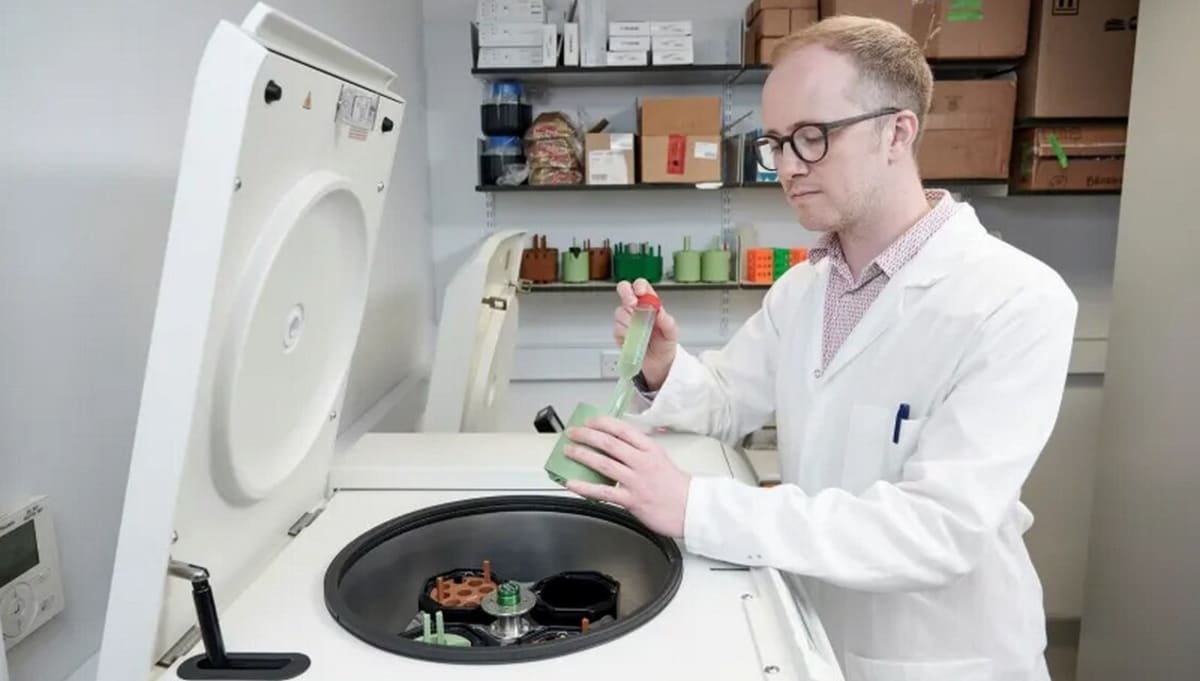
A team at the University of Edinburgh led by Professor Stephen Wallace engineered bacteria to transform everyday plastic into L-DOPA, the primary medication used to treat the neurological disorder. It's the first time a biological process has achieved this remarkable feat.
The process starts with PET plastic, the same material used in food and drink packaging. About 50 million metric tons of this plastic get produced every year. The researchers break it down into terephthalic acid, then use specially modified E. coli bacteria to transform those molecules into L-DOPA through a series of biological reactions.
The implications stretch far beyond just one medicine. L-DOPA treats not only Parkinson's but also Restless Leg Syndrome, and it's sold as an over-the-counter supplement. It serves as the precursor to dopamine, norepinephrine, and epinephrine.
"If we can create medicines for neurological disease from a waste plastic bottle, it's exciting to imagine what else this technology could achieve," Wallace said. "Plastic waste is often seen as an environmental problem, but it also represents a vast, untapped source of carbon."
The breakthrough addresses two urgent problems at once. Current plastic recycling methods aren't completely efficient and still contribute to pollution worldwide. Meanwhile, traditional pharmaceutical manufacturing relies heavily on finite fossil fuels.
The Ripple Effect
This innovation could reshape how we think about waste entirely. What if landfills became medicine cabinets? What if pollution transformed into healing?
The research happened at the Carbon-Loop Sustainable Biomanufacturing Hub, a new facility designed to convert industrial waste into valuable chemicals and materials. The hub received £14 million in funding specifically to reimagine manufacturing in the UK.
Professor Charlotte Deane from UK Research and Innovation, who wasn't involved in the study, captured the significance perfectly. "By converting discarded plastic into a treatment for Parkinson's disease, the University of Edinburgh team has demonstrated how carbon that would otherwise be lost to landfill or pollution can be turned into high value products that improve lives."
The team has already demonstrated they can produce and isolate L-DOPA at preparative scale. Next, they'll focus on advancing the technology toward industrial application by optimizing the process, improving scalability, and assessing environmental and economic performance.
One person's trash is about to become millions of people's treasure.
More Images
Based on reporting by Good News Network
This story was written by BrightWire based on verified news reports.
Spread the positivity!
Share this good news with someone who needs it