Scientists Turn Plastic Waste Into Clean Hydrogen Fuel
Researchers have developed a breakthrough method to convert mixed plastic waste into hydrogen fuel at lower temperatures while trapping carbon before it reaches the atmosphere. This innovation could tackle two major environmental challenges at once.
Scientists just found a way to turn the plastic bottles and bags clogging our landfills into clean energy while keeping harmful carbon out of the air.
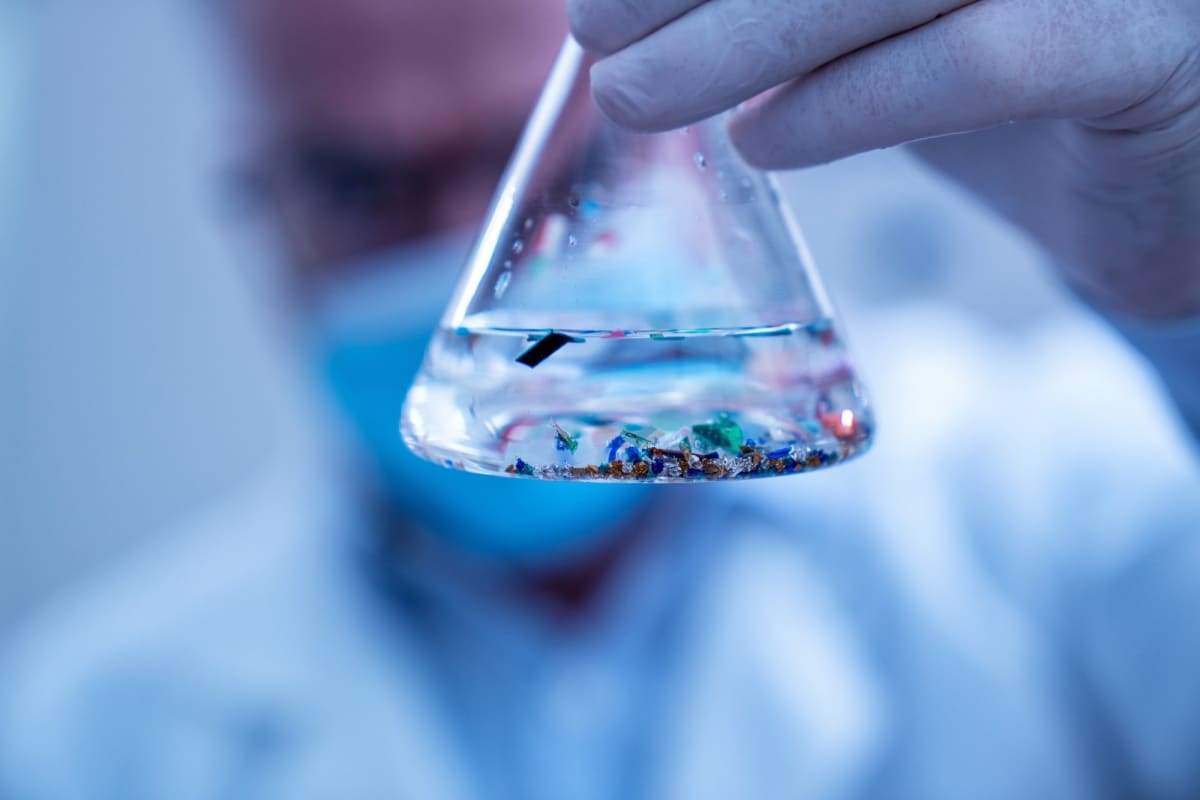
Researchers publishing in the journal PNAS developed a new alkaline thermal treatment method that transforms common plastics into hydrogen fuel. The process works at much lower temperatures than previous methods and doesn't require extensive sorting of different plastic types.
The team tested their approach on three everyday plastics: PET (water bottles), polyethylene (shopping bags), and polypropylene (food containers). Unlike conventional methods that operate at scorching temperatures between 800 and 1000 degrees Celsius, this new treatment begins producing hydrogen at just 300 to 400 degrees.
The results exceeded expectations. The process generated 43.7 millimoles of hydrogen per gram of PET, significantly more than traditional steam gasification. Even better, the method captured 32 to 44 percent of the carbon as stable compounds instead of releasing it as carbon dioxide.
What makes this particularly exciting is its ability to handle mixed plastic waste. The researchers successfully tested a combination of all three plastic types together, producing hydrogen without separating the different polymers first. This could eliminate one of recycling's biggest headaches.
The team added a clever twist for tougher plastics like shopping bags and food containers. They introduced a thermal oxidation step that makes these resistant materials more reactive, essentially preparing them to break down more easily during treatment.
Computer modeling helped explain why the process works so well. The calculations showed that certain oxygen-containing groups in plastics interact favorably with the alkaline treatment, creating efficient pathways for hydrogen production.
The Bright Side
Beyond producing clean fuel, this method delivers significant environmental wins. A life cycle assessment showed the process generates far fewer greenhouse gas emissions than conventional steam gasification. For polyethylene, the treatment produced just 4.83 kilograms of CO2-equivalent per kilogram of hydrogen, the lowest among all tested plastics.
The approach addresses two massive challenges simultaneously. Millions of tons of plastic waste enter landfills and oceans every year, while the world desperately needs clean alternatives to fossil fuels. This innovation transforms a pollution problem into an energy solution.
The technology could also simplify waste management systems. Since it handles mixed plastics, communities might not need complex sorting facilities, making plastic-to-energy conversion more accessible and affordable.
Researchers are optimizing the process to balance hydrogen yield with carbon capture efficiency. The goal is finding conditions that maximize both benefits, creating a truly circular system where waste becomes valuable fuel without worsening climate change.
This breakthrough shows how scientific innovation can turn yesterday's trash into tomorrow's clean energy.
More Images



Based on reporting by Google News - Emissions Reduction
This story was written by BrightWire based on verified news reports.
Spread the positivity!
Share this good news with someone who needs it