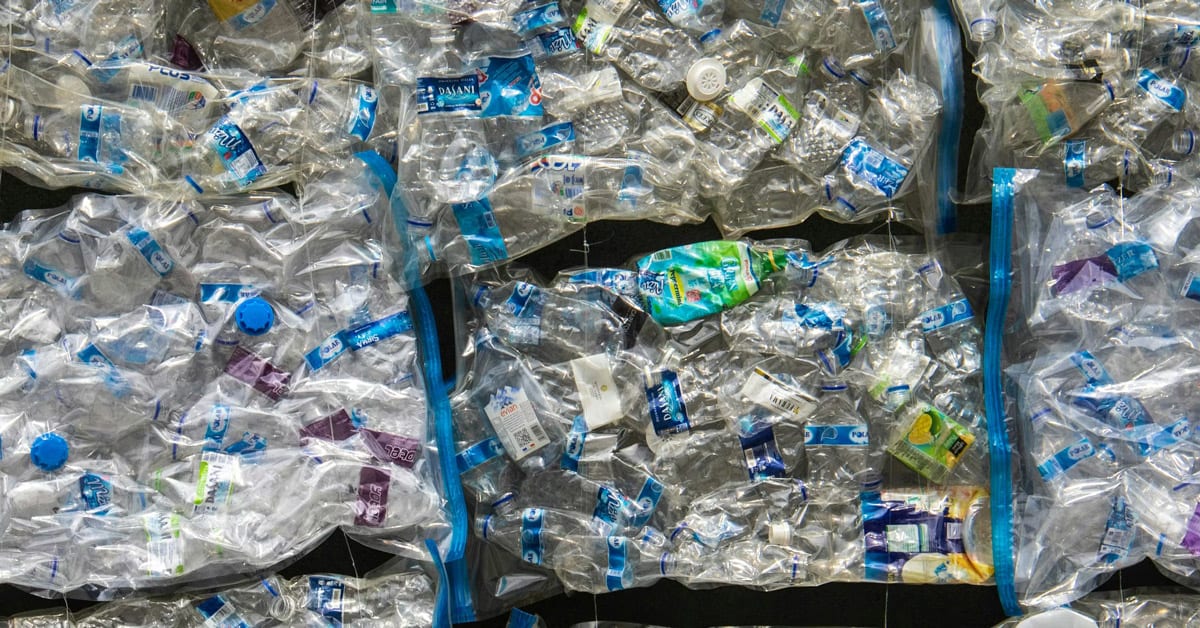
Scientists Turn Plastic Waste Into Vinegar Using Sunlight
Researchers inspired by wood-rotting mushrooms have discovered how to transform common plastic waste into valuable acetic acid using just sunlight and an iron-based catalyst. The breakthrough could turn our plastic pollution problem into a resource that creates useful industrial chemicals.
What if the plastic bottles and bags choking our planet could become something valuable instead of sitting in landfills for centuries? Scientists at the University of Waterloo just made that possibility real.
Researchers developed a new catalyst that uses ordinary sunlight to break down common plastics like water bottles, food containers, and shopping bags into acetic acid, the main ingredient in vinegar and a crucial industrial chemical. The process works at room temperature without requiring extreme heat or pressure.
The inspiration came from an unlikely source: white-rot fungus. This remarkable organism naturally breaks down lignin, one of the toughest materials in wood, using enzymes that generate highly reactive molecules. The research team wondered if they could mimic this strategy with synthetic materials.
They created an iron-doped carbon nitride catalyst that acts like a natural enzyme. Individual iron atoms are embedded within the structure, each behaving like an active site that maximizes efficiency. When exposed to sunlight and hydrogen peroxide, these iron sites generate powerful radicals that attack the long carbon chains in plastics.
The process happens in two elegant steps. First, the radicals break down the plastic polymers into smaller molecules, eventually forming carbon dioxide. Then, instead of releasing that CO2 into the atmosphere, the same catalyst converts it into acetic acid using sunlight.
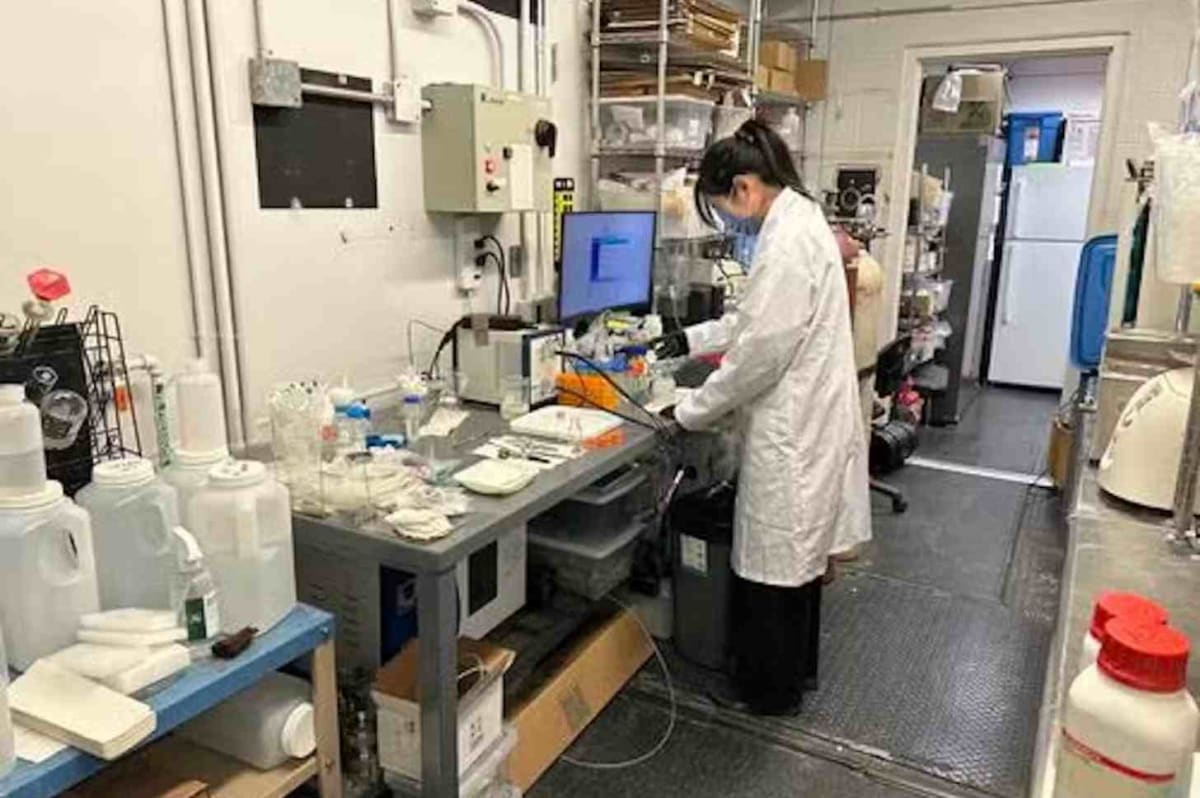
PhD student Wei Wei, who led the research, tested the system on real-world plastics, not just pristine lab samples. The catalyst successfully converted several major plastic types, including the mixed and contaminated waste we actually throw away. Even better, the iron atoms stayed stable after repeated use, meaning the catalyst doesn't degrade quickly.
Acetic acid might sound simple, but it's a major industrial product. Companies use it to make adhesives, coatings, solvents, synthetic fibers, and pharmaceuticals. Global demand reaches millions of tons annually, representing a multi-billion-dollar market that currently relies on energy-intensive production methods.
The system performed comparably to other light-driven plastic conversion methods in experiments. When researchers optimized the reactor design to capture more light, production rates increased substantially.
The Bright Side
This approach offers something most recycling technologies don't: a way to turn carbon already trapped in discarded materials into valuable products without adding more carbon to the cycle. Instead of heating plastics to hundreds of degrees or downgrading them into lower-quality materials, this method operates under mild conditions while creating something industry actually needs.
The team acknowledges challenges remain before scaling up. Light penetration, reactor design, and the variety of additives in commercial plastics all need further study. They're also working on sustainable ways to supply the hydrogen peroxide the process requires.
But preliminary economic assessments suggest the concept has genuine potential beyond the laboratory.
Your empty water bottle might just become tomorrow's industrial feedstock.
More Images



Based on reporting by Good Good Good
This story was written by BrightWire based on verified news reports.
Spread the positivity!
Share this good news with someone who needs it