Scientists Turn Roadkill Into Research Goldmine
Researchers have discovered over 300 ways to use roadkill for scientific breakthroughs, from tracking invasive species to discovering new animals. This ethical approach transforms tragedy into progress while highlighting the need to protect wildlife.
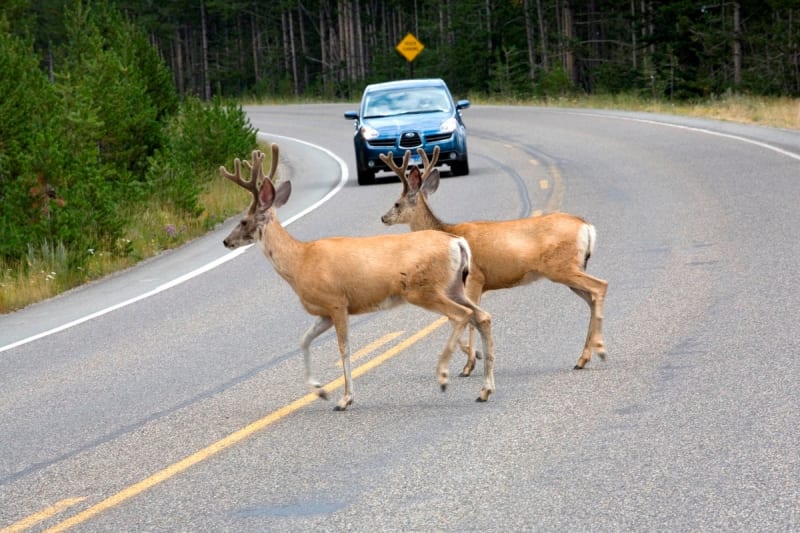
Picture this: a wildlife ecologist kneeling on an Australian highway at midnight, collecting dead frogs while confused drivers stop to ask what on earth she's doing.
Christa Beckmann wasn't just picking up roadkill for kicks. The RMIT University researcher was studying how birds of prey choose between native frogs and invasive cane toads as their roadside breakfast buffet.
Her midnight frog collection sparked a bigger question. After noticing countless other scientists using roadkill in their research, Beckmann dove into the scientific literature to see just how widespread this practice had become.
What she found was remarkable. Over 300 studies have transformed tragic roadside casualties into scientific discoveries.
Researchers have used roadkill to map where species live, track the spread of invasive animals, and study diseases in wildlife populations. Some scientists have even discovered entirely new species this way, including a worm lizard in Brazil and a rodent in India.
The practice offers an unexpected ethical advantage. Instead of trapping wild animals or using them in potentially harmful experiments, scientists can study creatures that died accidentally. Beckmann calls it a "fantastic ethical source of samples" that aligns with research principles to reduce harm to living animals.
Christopher Lepczyk, a conservation biologist at Auburn University, points out another benefit. Roadkill shows what was happening inside an animal's body at the exact moment of death, providing snapshots that can be hard to capture otherwise.
Why This Inspires
This research shows how scientists are finding creative solutions to study wildlife while minimizing harm to living creatures. Every roadkill sample that replaces a trapped or euthanized animal represents a small victory for ethical science.
The approach transforms an unavoidable tragedy into meaningful knowledge. When millions of animals die on roads each year across just the U.S., using these casualties for research adds purpose to loss.
But here's the most inspiring part: both Beckmann and other researchers are clear that the ultimate goal isn't to collect more roadkill. It's to protect living animals and reduce wildlife deaths on roads in the first place.
Fraser Shilling, who directs the Road Ecology Center at UC Davis, describes roads as "a massive network of basically guillotines" cutting through animal habitats. His work focuses on preventing these deaths through better road design and wildlife crossings.
Beckmann agrees wholeheartedly. "I would much rather that we were not seeing the carnage on the roads that we do," she says.
Until that day comes, scientists will continue turning loss into learning, making sure no death goes to waste while working toward a future where fewer animals need rescuing from roadsides.
More Images


Based on reporting by Scientific American
This story was written by BrightWire based on verified news reports.
Spread the positivity!
Share this good news with someone who needs it