Scientists Turn Seawater Into Fresh Water Without Waste
A solar-powered device transforms ocean water into drinking water while eliminating harmful brine waste and capturing valuable minerals like lithium. The breakthrough could help 2.2 billion people worldwide who lack access to safe drinking water.
Scientists just solved one of desalination's biggest problems: what to do with all the toxic waste left behind.
Researchers at the University of Rochester created a solar-powered system that turns seawater into fresh water without producing harmful brine. Instead of dumping concentrated salt back into the ocean where it can kill marine life, the new technology captures it as a solid that could even be mined for valuable minerals like lithium.
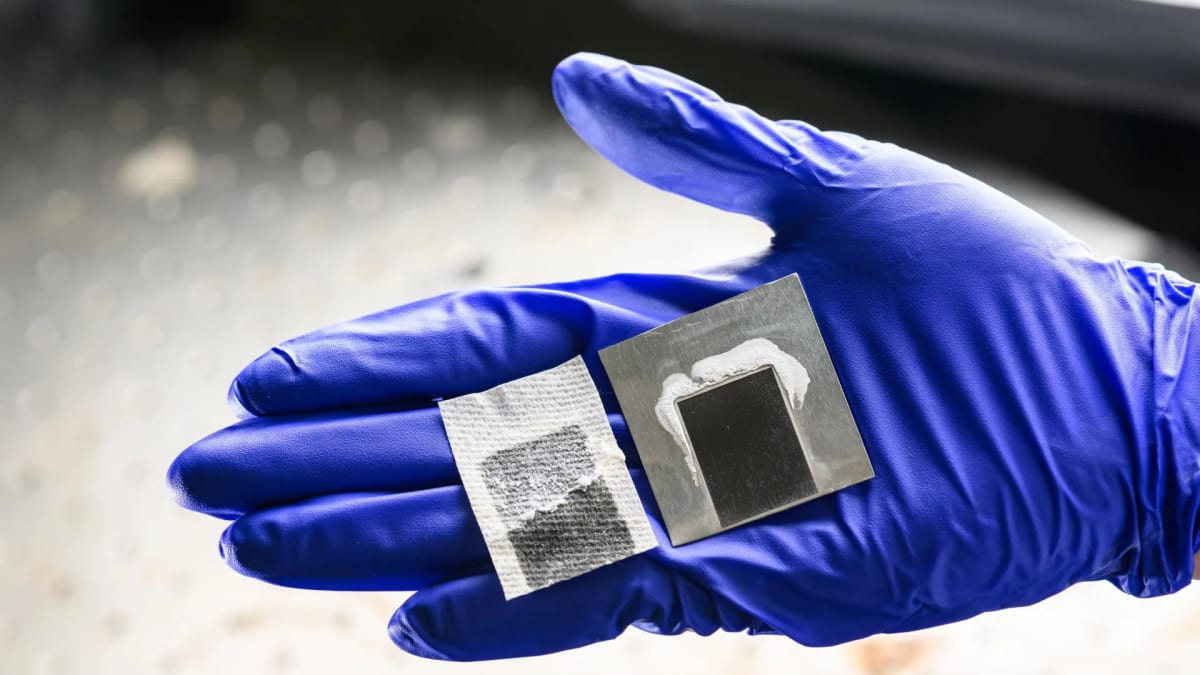
Professor Chunlei Guo and his team built the system around specially treated black metal panels that do something remarkable. Using ultrafast lasers that pulse in quadrillionths of a second, they etched microscopic structures into the metal surface that absorb nearly all sunlight and cause water to spread rapidly across it.
When thin layers of seawater flow over these heated panels, the water evaporates and leaves salt behind. Here's where it gets clever: the panels are designed to push those salts toward the edges using the same physics that creates coffee rings when spilled drinks dry.
Traditional desalination plants face a serious challenge with real ocean water. Lab tests usually work fine with simple saltwater made from sodium chloride, which forms porous crystals that water can flow through. But actual seawater contains magnesium, calcium, and dozens of other minerals that harden into dense crusts like the scale inside a tea kettle, only hundreds of times worse.
Those crusty deposits normally clog desalination systems and stop them from working. Guo's self-cleaning panels sidestep that problem entirely by guiding minerals away from the active surfaces before they can build up.
The timing couldn't be better. Around 2.2 billion people worldwide still don't have safely managed drinking water, according to the United Nations. Regions from California to the Middle East increasingly depend on desalination, but current methods guzzle energy and create environmental headaches.
Reverse osmosis forces water through expensive membranes, while thermal distillation boils seawater using massive amounts of heat. Both approaches often need chemical treatment before and after processing, and both produce brine so salty it reduces oxygen levels and harms sea creatures when dumped back into coastal waters.
The Ripple Effect
This solar-powered alternative runs on free energy from the sun and needs no chemicals to treat incoming water. The solid salt and minerals it captures could become valuable resources instead of toxic waste, especially lithium used in batteries for electric vehicles and electronics.
The research, published in Light: Science & Applications, demonstrates that the system works with actual seawater collected from the ocean, not just simplified versions made in a lab. That real-world testing matters because it shows the technology can handle the messy complexity of what's actually in our oceans.
For coastal communities struggling with water scarcity, this breakthrough offers hope for clean drinking water without devastating the marine ecosystems they depend on.
Based on reporting by Science Daily
This story was written by BrightWire based on verified news reports.
Spread the positivity!
Share this good news with someone who needs it