Scientists Turn Their Own Rare Diseases Into Life-Saving Work
Researchers diagnosed with rare diseases are channeling their pain into purpose, studying their own conditions to develop treatments that could save their lives and thousands of others. Their personal stakes are driving breakthroughs where traditional medicine failed.
When Francesca Granata was a child, her skin pain felt like boiling water scalding her body for ten straight days. Doctors dismissed it as psychological, telling the beautiful young girl nothing could be physically wrong.
Refusing to accept that answer, she spent five years reading through a medical database alphabetically until she found her condition at age 21. A specialist confirmed erythropoietic protoporphyria, a rare genetic disorder that makes skin hypersensitive to light and can cause liver disease.
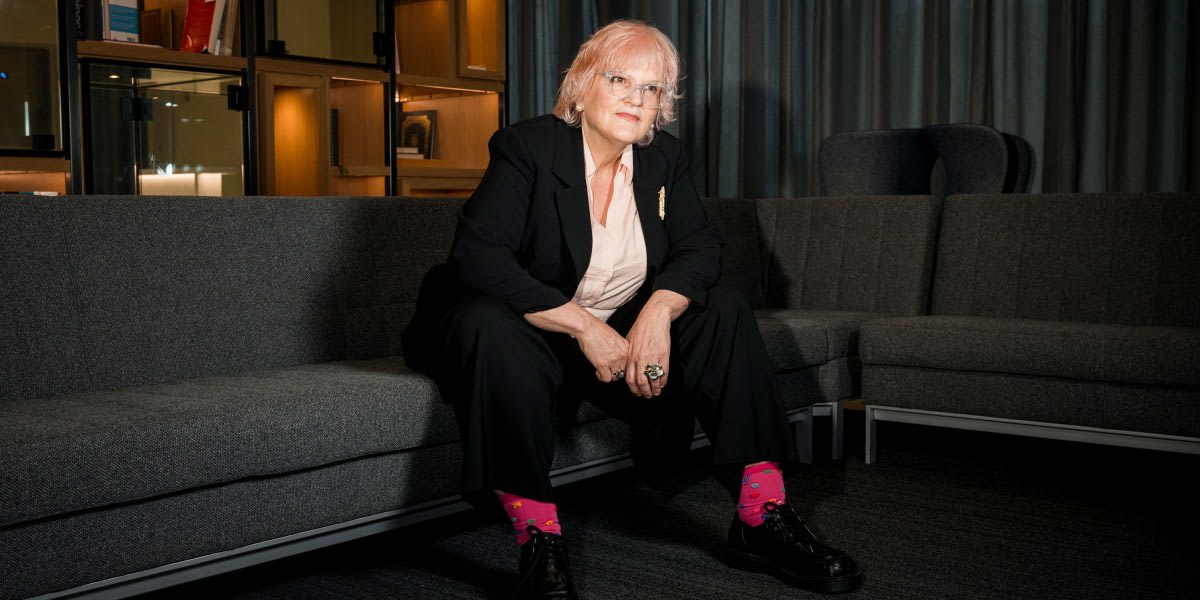
Today, Granata is a specialist in rare blood diseases at Policlinico of Milan, dedicating her career to finding treatments for the condition that tormented her childhood. She founded patient advocacy groups in Italy and internationally to connect others suffering with porphyria and push for earlier diagnoses.
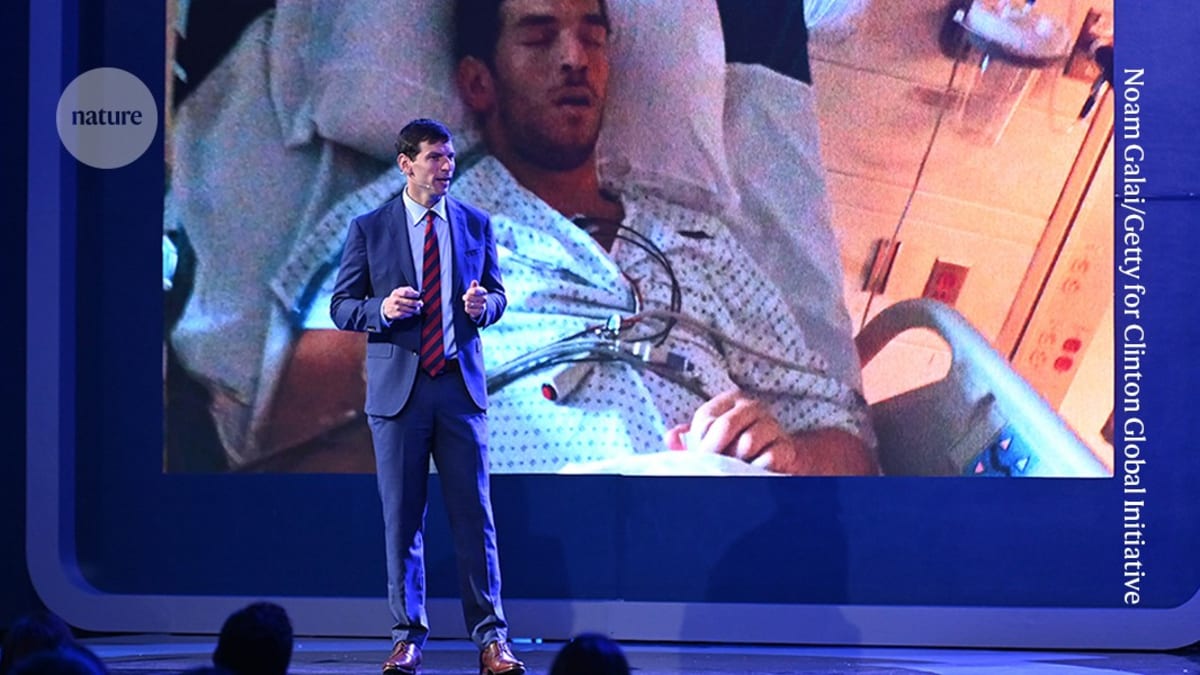
She's not alone in this deeply personal scientific mission. Sonia Vallabh watched her 52-year-old mother die from genetic prion disease, a rapidly progressive dementia caused by misfolded proteins that kill brain cells.
When genetic testing revealed Vallabh carried the same fatal mutation, she made a radical choice. She left her law career, retrained as a scientist, and now co-leads a clinical trial at the Broad Institute testing treatments that could prevent the disease from ever starting.
Her approach uses small interfering RNAs to reduce normal prion protein in the brain before it misfolds. If successful in pre-symptomatic patients, it could delay or even prevent the first misfolded prion from forming.
These researcher-patients reject the notion they're too conflicted to study their own diseases. Vallabh believes she's actually the least conflicted person possible because she'll never pursue science just to advance her career.
Why This Inspires
These scientists transform their deepest pain into powerful purpose. While others might feel paralyzed by a devastating diagnosis, they channel that fear into action that benefits entire patient communities.
Their lived experience gives them insights no outside researcher could match. They understand the daily reality of rare diseases, the dismissive doctors, the isolation, and the desperate need for answers.
Most importantly, they're proving that hope exists even in the darkest diagnoses when you refuse to accept "nothing can be done."
More Images


Based on reporting by Nature News
This story was written by BrightWire based on verified news reports.
Spread the positivity!
Share this good news with someone who needs it