Scientists Unlock 2,000-Year-Old Scrolls With Lead Ink
Researchers cracked the code to reading ancient scrolls buried by Mount Vesuvius by discovering lead in the ink makes letters visible through X-ray scans. They tested their theory by baking their own scroll with help from high schoolers, proving we can finally read the only intact library from antiquity.
Imagine having access to the only complete ancient library in existence, but every book is burned to a crisp and impossible to open without turning to ash. That's been the puzzle scientists faced with the Herculaneum scrolls for over 270 years.
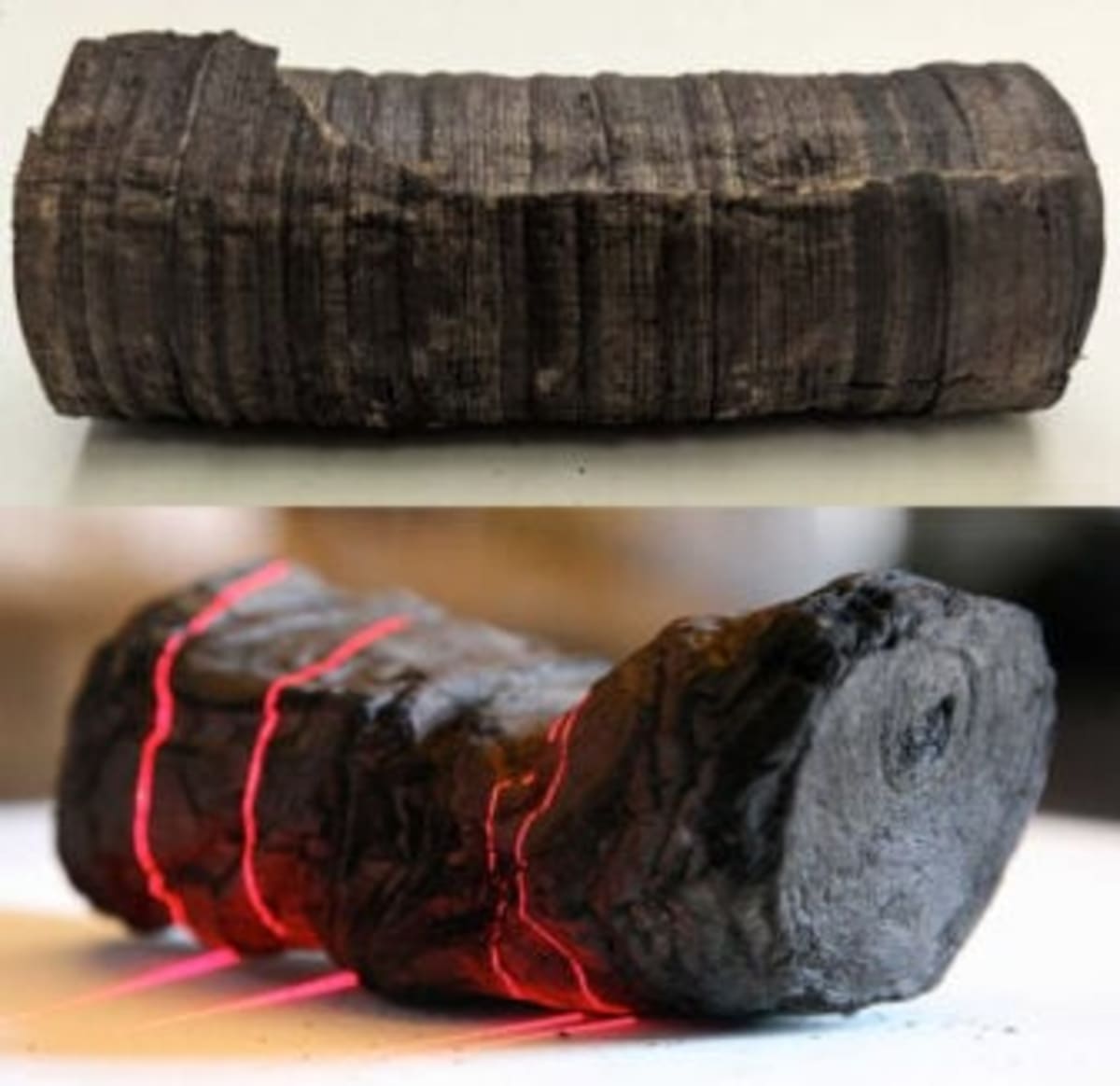
When Mount Vesuvius erupted in 79 BCE, it preserved an entire library of 2,000-year-old texts. The catch? The scrolls were completely carbonized, looking more like chunks of charcoal than precious documents.
After experts in 1751 tried physically unrolling them and mostly got piles of ashes, the scrolls sat largely unreadable for centuries. But now researchers at the University of California, Berkeley have discovered a breakthrough solution: looking for lead in the ancient ink.
Douglas Seiler, a retired inventor and study co-author, realized that even tiny amounts of lead make letters highly visible on X-ray CT scans. The lead absorbs more X-rays than the surrounding papyrus, causing the text to appear bright in 3D computer models.
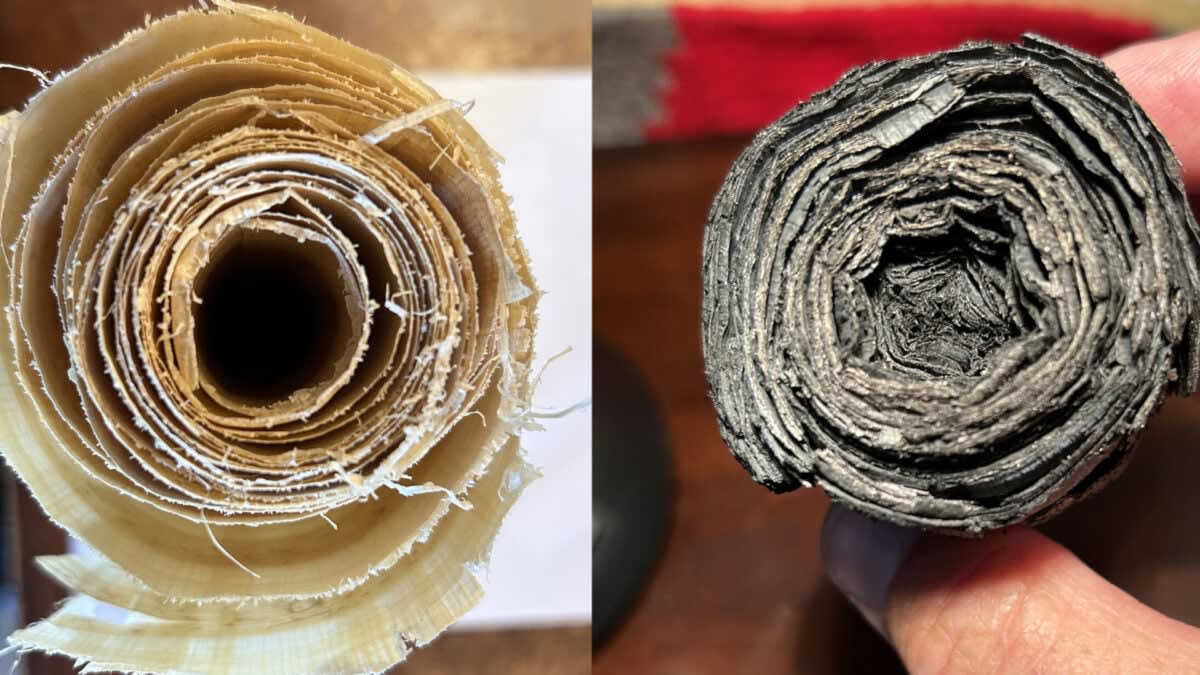
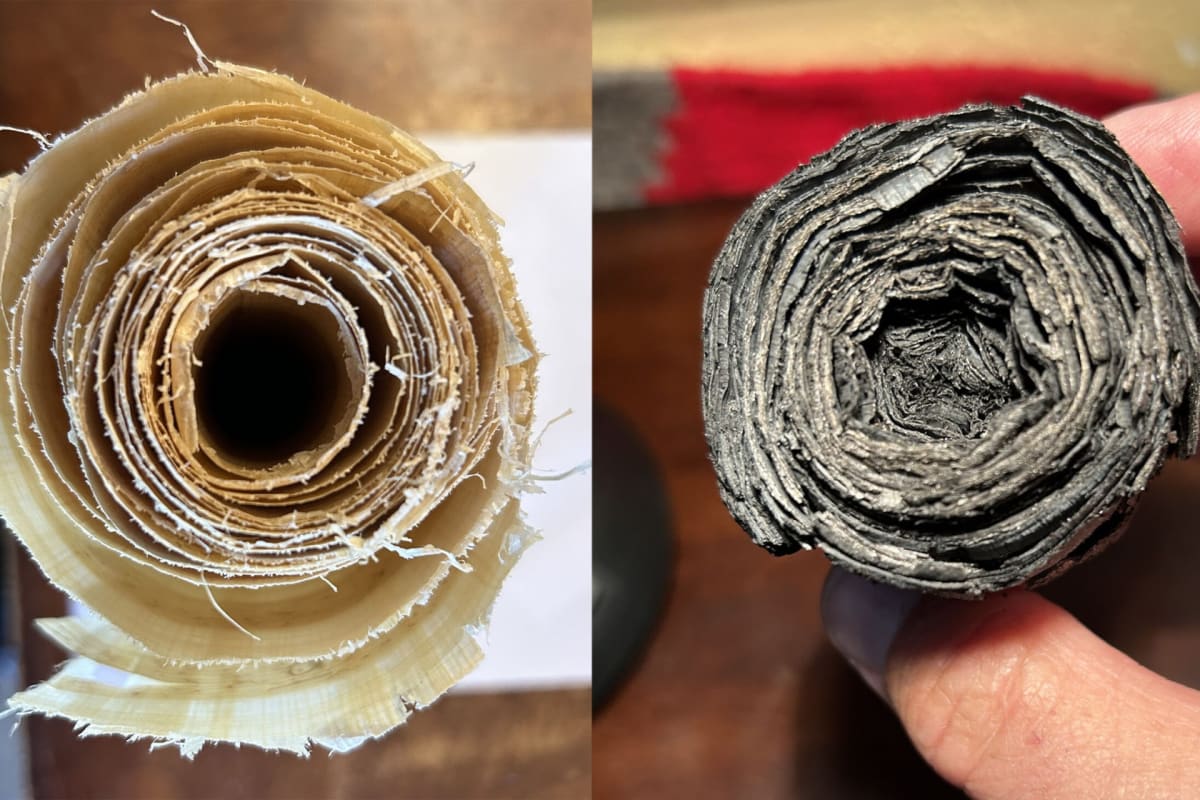
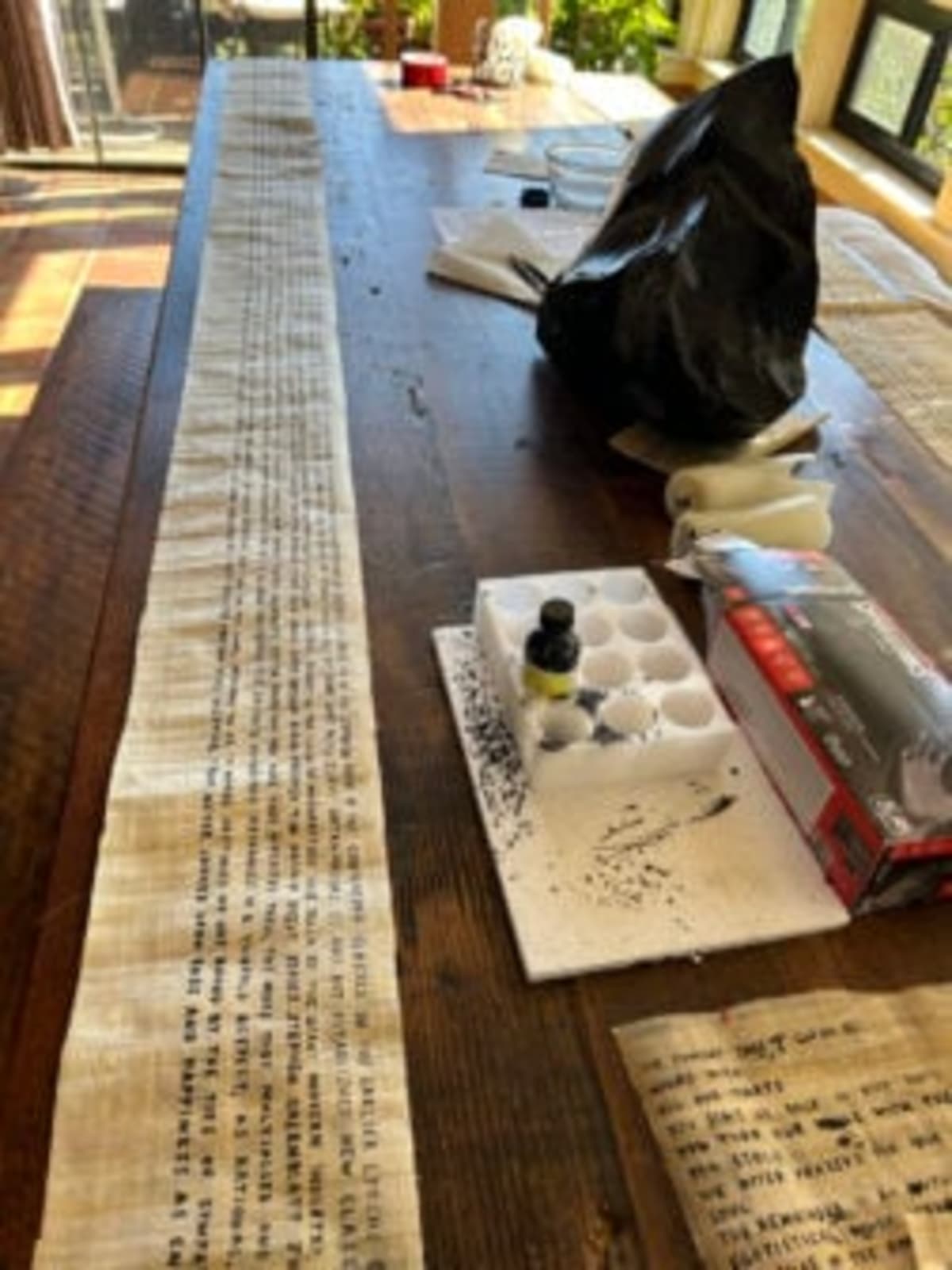
To test this theory without risking priceless artifacts, Seiler got creative. He made his own fake ancient scroll using papyrus and reed pens from Egypt, traditional lampblack ink from Japan, and paid high school students to write text on it with various lead concentrations.
Then came the fun part: he sealed it in a low-oxygen steel container and literally baked it in a high-temperature furnace. The result was a perfect stand-in for testing without endangering 2,300-year-old treasures.
The team's X-ray scans worked beautifully. Using computer algorithms to virtually unroll their charred scroll, they could clearly read the text inside, which included excerpts from both the Bible and Star Wars.
Why This Inspires
This discovery represents more than just a clever scientific workaround. The Herculaneum library contains knowledge from the ancient world that has been locked away for two millennia, including philosophical texts and works that might not exist anywhere else on Earth.
Leah Packard-Grams, a papyrologist who consulted on the research, called the value "practically unquantifiable." Researchers have already found lead in two Herculaneum scroll fragments, but no one has systematically searched all the scrolls for it until now.
The team also discovered that cheap handheld X-ray scanners can detect leaded ink in burned scrolls. This means researchers can now identify which scrolls contain lead before investing time and resources in detailed scanning.
Just last summer, scientists managed to virtually unroll their first complete Herculaneum scroll, but they weren't specifically looking for lead. With this new technique, the pace of discovery could accelerate dramatically.
As Packard-Grams put it, hurting a model scroll is fine, but damaging a 2,300-year-old artifact would have archaeologists ready to jump you. Thanks to one inventor's creative thinking and some helpful teenagers, we can now unlock ancient wisdom without that risk.
More Images

Based on reporting by Google News - Science
This story was written by BrightWire based on verified news reports.
Spread the positivity!
Share this good news with someone who needs it