Scientists Unlock Cleaner Way to Make Plant-Based Fuel
Researchers just solved a major puzzle in biofuel production, finding a gentler way to extract energy from plants that saves money and captures power previously lost. The breakthrough could make sustainable aviation fuel and biodiesel cheaper and more efficient.
Scientists at the University of Illinois have cracked a stubborn problem that's been holding back plant-based fuels for years. Their new method captures valuable energy from crops that used to go to waste, bringing cleaner fuel for planes and cars closer to reality.
The breakthrough centers on lignin, a tough fiber in plants that's notoriously difficult to work with. Think of it as the cement holding plant structures together. For years, converting this cement into usable fuel required blasting it with extreme heat and pressure, which destroyed much of its value in the process.
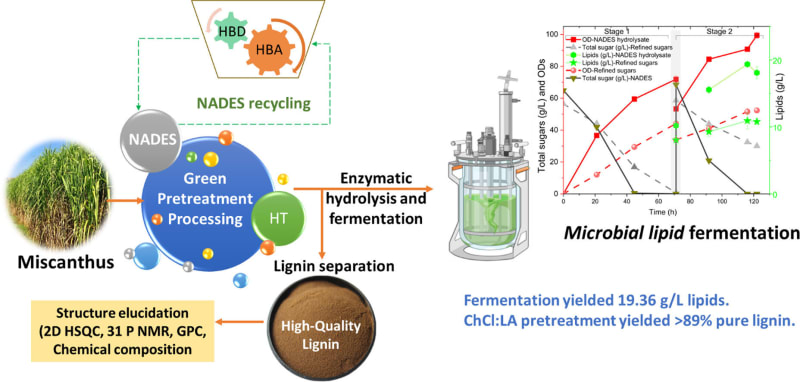
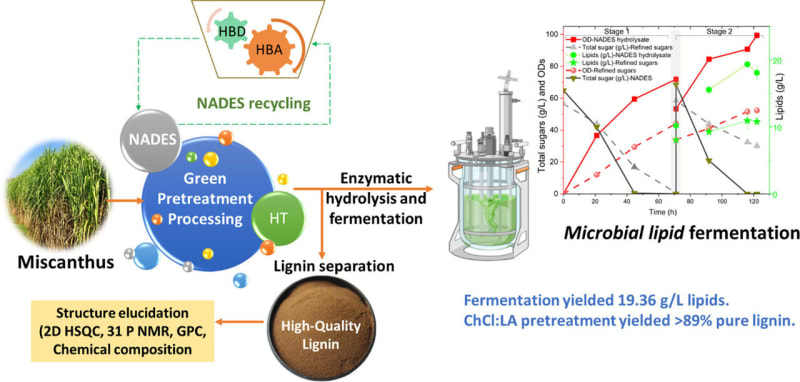
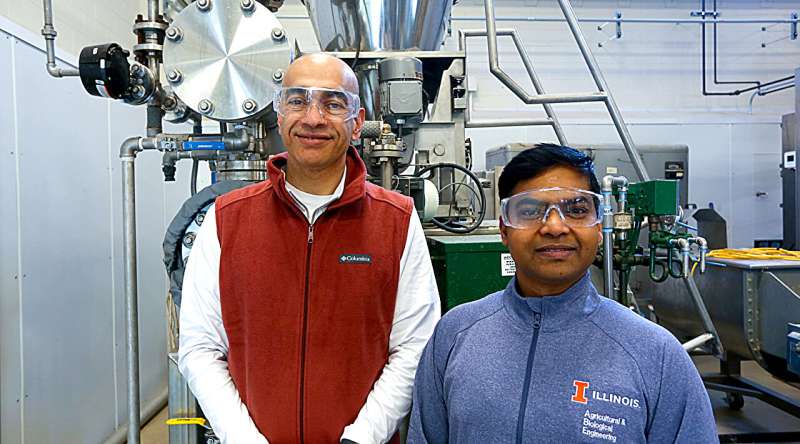
Postdoctoral researcher Tirath Raj and lab director Vijay Singh tried something different. Instead of using high temperatures, they turned to special salt solutions called natural deep eutectic solvents. Despite the technical name, these are naturally derived compounds that work at room temperature and can be recycled.
The gentle approach made all the difference. The new method loosened lignin's grip on other plant fibers without breaking down its structure. That means more of the plant's energy stays intact and usable, rather than condensing into an impenetrable mass.
The results speak for themselves. The team produced higher yields of both pure cellulose sugars and high-quality lignin while using far less energy and chemicals. The cellulose can be fermented into ethanol, while the preserved lignin converts more easily into biodiesel and sustainable aviation fuel.
The Ripple Effect
This isn't just a lab curiosity. The discovery addresses a top priority for all four Department of Energy Bioenergy Research Centers working to make plant-based fuels competitive with fossil fuels.
Lower energy costs for processing mean cheaper production overall. Better preservation of plant materials means less waste and more fuel from each harvest. Together, these improvements could help biofuels finally match the economics of traditional fuels.
The aviation industry has been particularly hungry for sustainable alternatives. Planes can't run on batteries, making biofuels one of the few viable paths to reducing carbon emissions from air travel.
Singh, a professor of agricultural and biological engineering, sees the work as solving two problems at once. "We avoid losing energy from high-temperature processing, and we avoid losing the valuable biomass of the plant," he explained.
The team published their findings in Chemical Engineering Journal Advances. Their natural approach preserves the original branches and cross-links in lignin that make it valuable for conversion, something previous methods consistently destroyed.
The breakthrough matters because biofuels offer something fossil fuels never can: the ability to grow next year's fuel while this year's fuel is being used. Plants absorb carbon as they grow, then release it when burned, creating a cycle rather than a one-way trip of carbon from underground into the atmosphere.
With this gentler extraction method now proven, the path to affordable, sustainable fuel from crops we can harvest year after year just got clearer.
More Images

Based on reporting by Phys.org - Technology
This story was written by BrightWire based on verified news reports.
Spread the positivity!
Share this good news with someone who needs it