Scientists Upgrade Ice Detector Reading Ghost Particles
Scientists just completed a major upgrade to a massive detector buried in Antarctic ice that catches neutrinos, mysterious particles that hold clues to the universe's biggest questions. The seven-year construction project will help researchers understand everything from exploding stars to the origins of the cosmos.
Deep beneath the South Pole, scientists are expanding one of the most ambitious experiments ever built to catch ghost particles streaming through Earth.
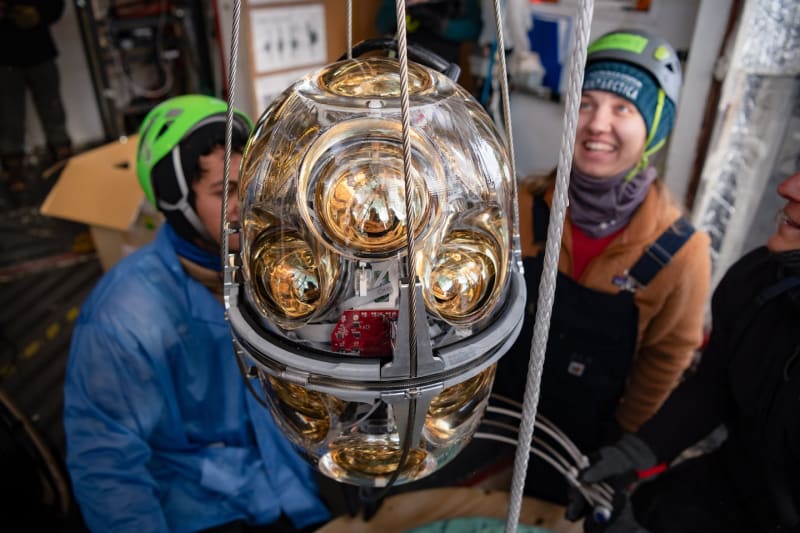
In November, researchers arrived at the bottom of the world with a tight deadline. They had just three months of Antarctic summer to drill six holes more than a mile and a half into solid ice and install cables studded with hundreds of light detectors.
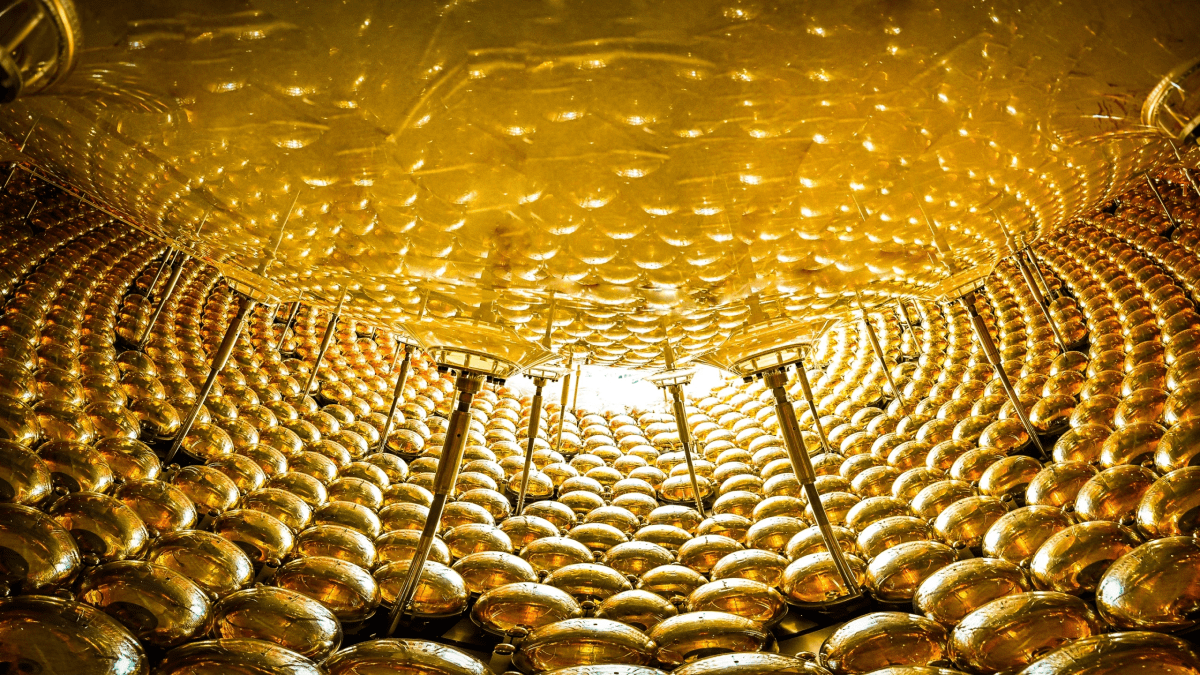
The work represents a major upgrade to the IceCube Neutrino Observatory, a 15-year-old facility that already uses more than 5,000 sensors frozen into a billion tons of ice. This new addition will create an even denser web of detectors, giving scientists sharper vision into the invisible universe.
Neutrinos are nearly massless particles that pass through almost everything, including our entire planet. Trillions zip through your body every second without you feeling a thing. Because they interact so rarely with matter, neutrinos carry pristine information from the farthest reaches of space and time.
The Antarctic ice acts as both detector and shield. When a neutrino occasionally collides with ice, it creates a tiny flash of light that the sensors can catch. The thick ice above blocks out interference from other particles, creating ideal conditions for spotting these rare events.
Scientists use neutrinos to answer fundamental questions about our universe. These particles help reveal what happens inside exploding stars, provide glimpses into the sun's core, and offer clues about mysterious cosmic accelerators billions of light years away. They might even help explain why the universe contains matter instead of nothing at all.
Why This Inspires
This project shows how human curiosity drives us to the most extreme places on Earth. Working in one of the harshest environments imaginable, teams of scientists are literally drilling into ice to understand the invisible forces shaping our universe.
The IceCube expansion represents years of planning, international cooperation, and dedication to answering questions that might not have practical applications for decades. It's pure human drive to understand our place in the cosmos.
Every new detector installed means better chances of catching these ghost particles and unlocking secrets written into the fabric of reality itself.
With the upgrade complete, scientists now have sharper eyes pointed at the universe, ready to catch whispers from the stars.
More Images




Based on reporting by Google News - Science
This story was written by BrightWire based on verified news reports.
Spread the positivity!
Share this good news with someone who needs it