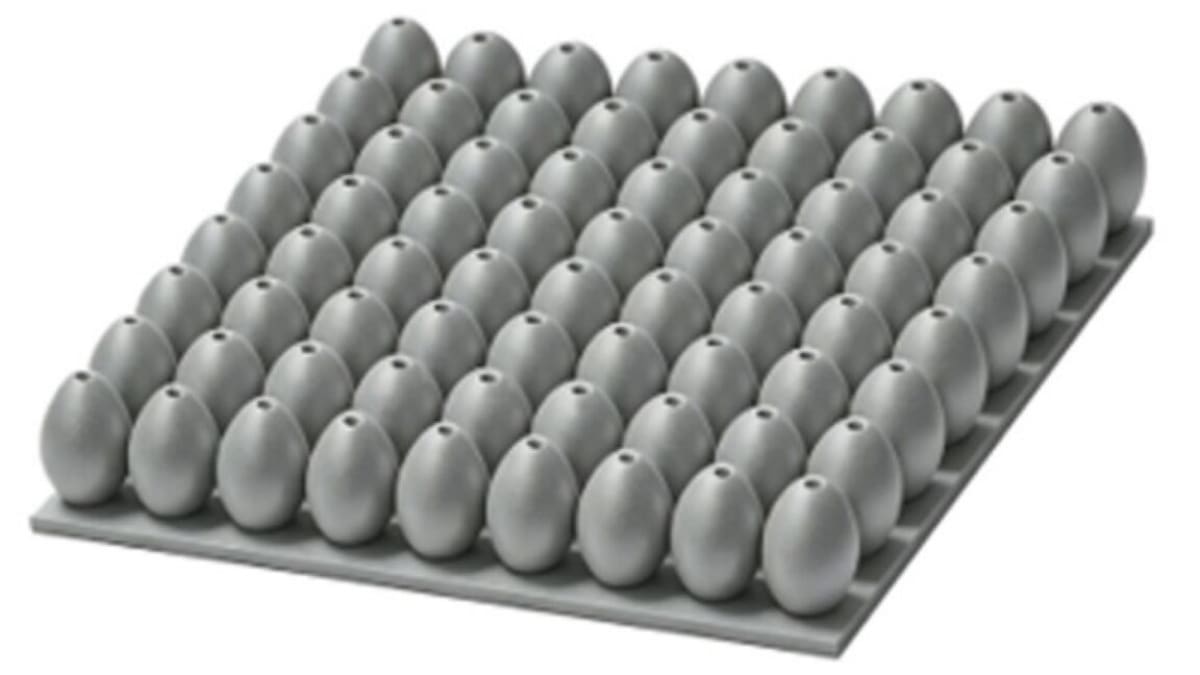
Scientists Use Eggshell Design to Shield Spacecraft
Chinese researchers have created a new aluminum material inspired by the structure of eggshells that could protect spacecraft from dangerous debris flying through orbit. The breakthrough combines nature's perfect packaging with cutting-edge technology to solve one of space exploration's biggest challenges.
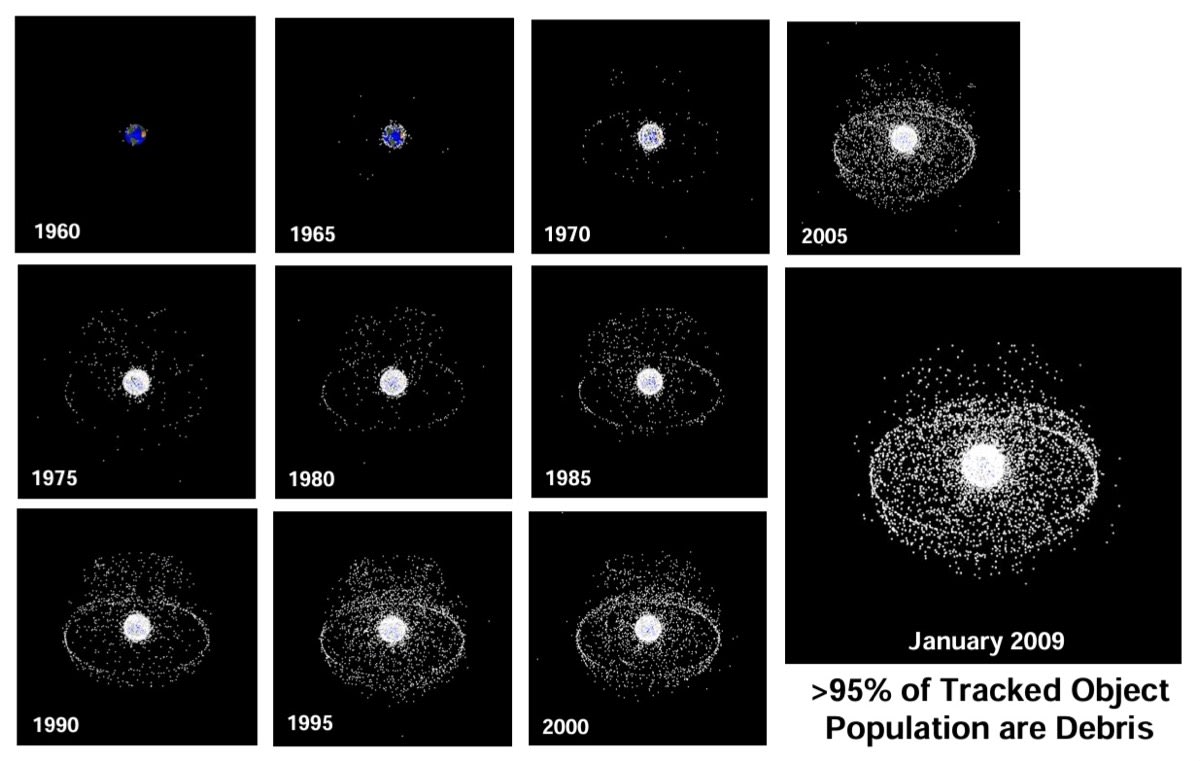
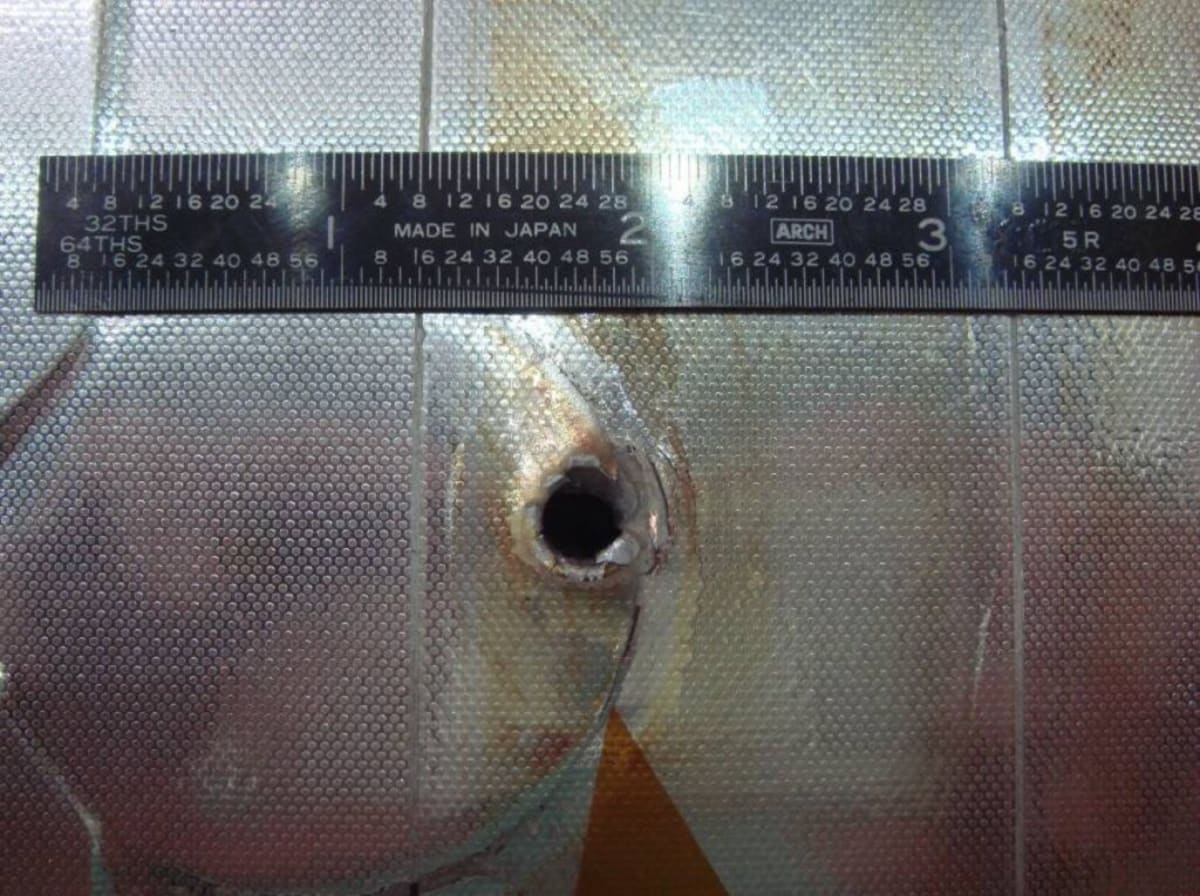
Space debris punched a bullet-sized hole through the shuttle Endeavor's radiator in 2007, and the problem has only gotten worse since then. Today, scientists estimate roughly 128 million pieces of debris smaller than one centimeter are zipping around Earth at speeds that can damage even the toughest spacecraft.
But Chinese scientists just found an unlikely solution: eggshells. Their new aluminum material mimics the crack-resistant structure of nature's perfect packaging, and early tests show it could revolutionize how we protect satellites and spacecraft.
Eggshells have fascinated scientists for decades because of their incredible ability to withstand force without shattering. You've probably seen the classic demonstration where someone walks across cartons of eggs without breaking them. The secret lies in the shell's curved geometry and how it distributes force across its entire surface.
MIT researchers discovered it takes about 5.5 pounds of force to crack an egg, but that depends entirely on where and how you apply pressure. The narrow tip is actually the most crack-resistant part, which is why the egg-walking trick works when you position them pointing upward.
The new Chinese design takes that principle to space. The team 3D-printed aluminum arrays shaped like eggshells and filled them with water, then sandwiched them between aluminum plates. This setup improves on the traditional Whipple shield, which spacecraft have used since the 1950s to break up incoming debris before it hits the main wall.
The researchers tested their designs using light-gas guns that simulate hypervelocity impacts like those in space. The water-filled eggshell arrays outperformed both standard aluminum plates and water-filled spheres, proving that sometimes nature really does know best.
The Ripple Effect
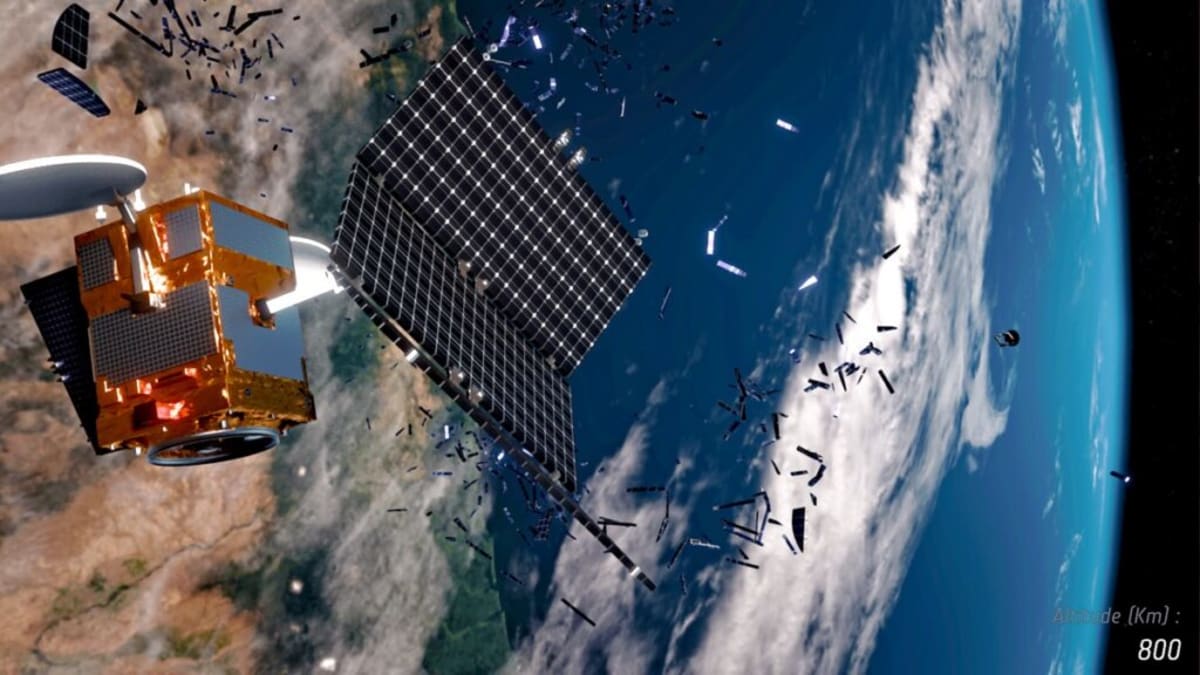
This breakthrough couldn't come at a better time. With companies launching massive satellite constellations and more countries reaching for the stars, the space debris problem threatens to ground future missions. A single collision can create thousands of new fragments, each one a potential bullet for other spacecraft.
The eggshell-inspired shields offer hope for protecting everything from communication satellites that connect remote communities to telescopes searching for habitable planets. Better protection means safer missions, longer-lasting equipment, and continued access to the benefits space technology brings to life on Earth.
The research also shows how paying attention to nature's solutions can unlock answers to our toughest engineering challenges. What started as curiosity about why eggs don't shatter easily has become a potential safeguard for humanity's future in space.
Sometimes the most advanced technology starts with the simplest observation: nature spent millions of years perfecting designs we're only beginning to understand.
More Images

Based on reporting by Ars Technica Science
This story was written by BrightWire based on verified news reports.
Spread the positivity!
Share this good news with someone who needs it