Scientists Use Ghost Particles to Map Earth's Hidden Heat
Deep underground detectors are catching rare neutrinos from Earth's core, revealing how radioactive elements keep our planet alive and moving. This breakthrough helps scientists understand the heat that powers everything from volcanoes to the magnetic field protecting us.
Scientists are finally seeing inside Earth using some of the universe's most elusive particles, and what they're finding could explain why our planet stayed alive for billions of years.
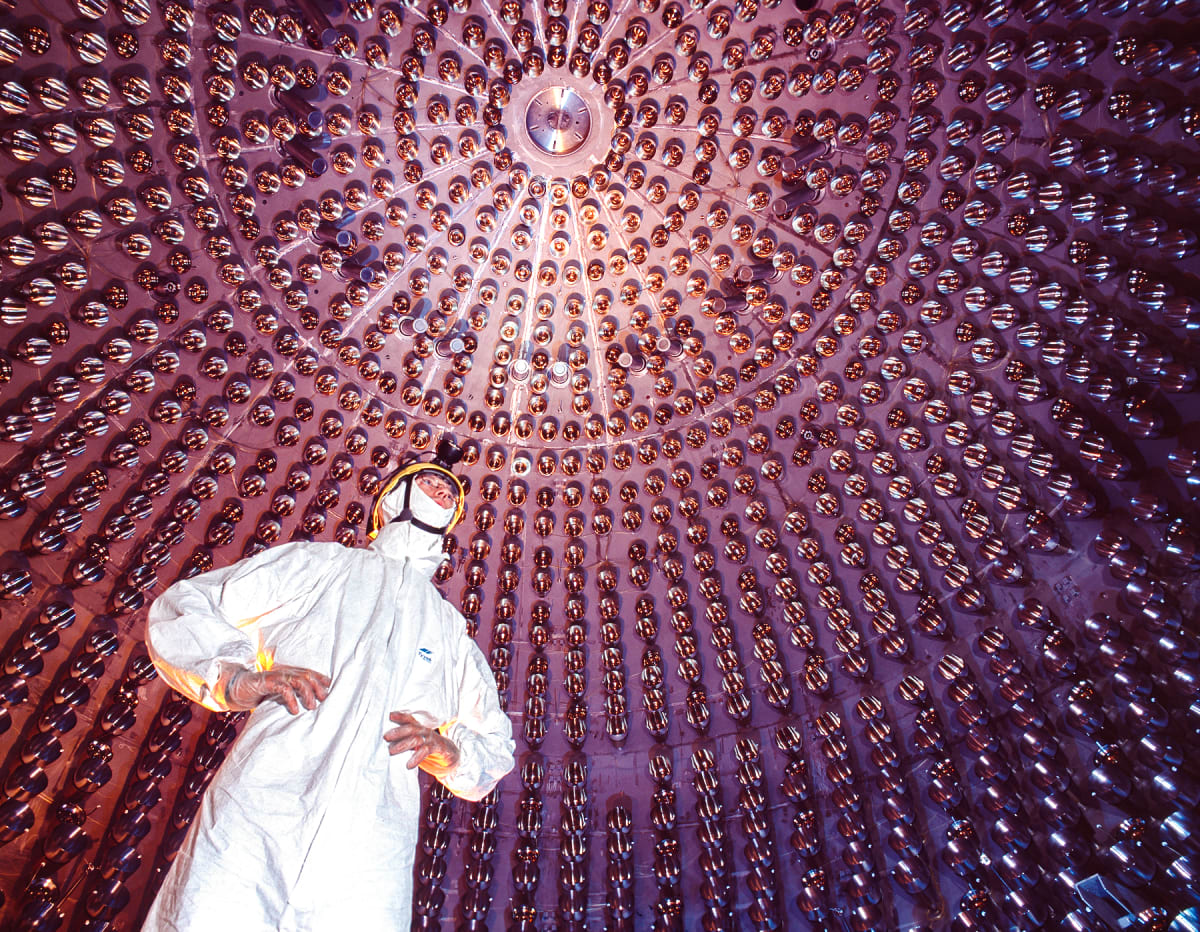
Two kilometers underground in a Canadian mine, researchers are catching "geoneutrinos," ghostly particles produced by radioactive elements deep in Earth's mantle. These particles hold the secret to understanding the heat that powers volcanoes, earthquakes, and the magnetic field protecting all life on our planet.
The challenge? Trillions of neutrinos pass through your body every second, but they're so tiny and light that they almost never interact with anything. After decades of searching with massive detectors, scientists have caught only a few hundred of these special geoneutrinos.
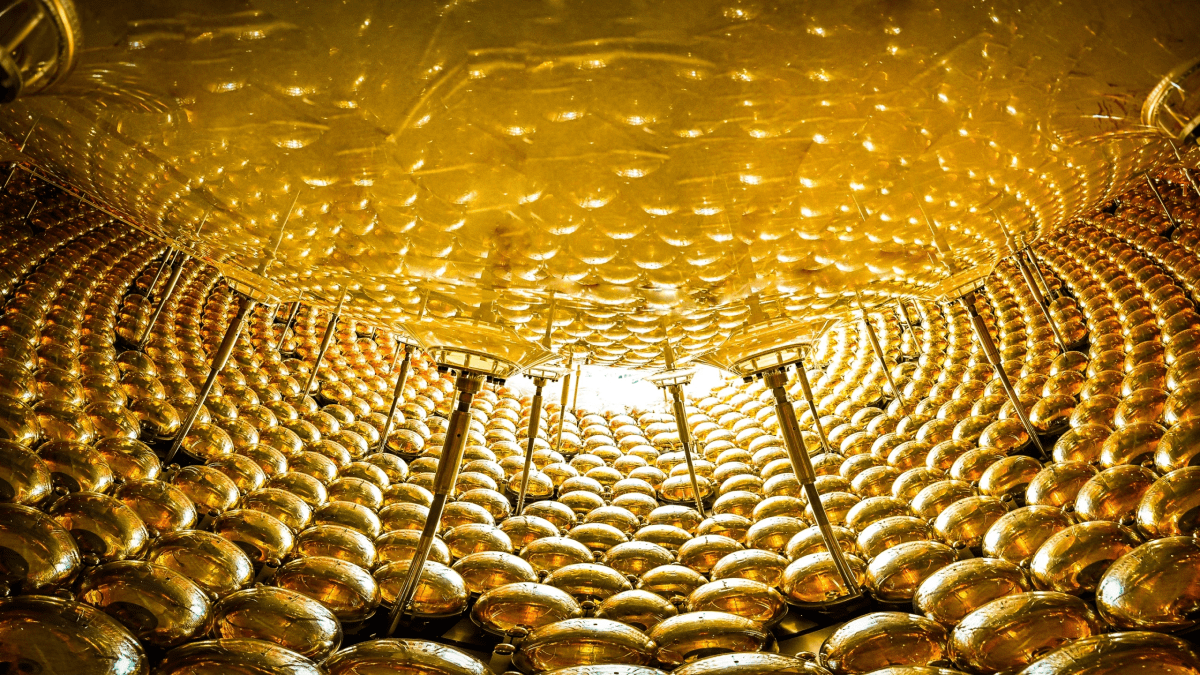
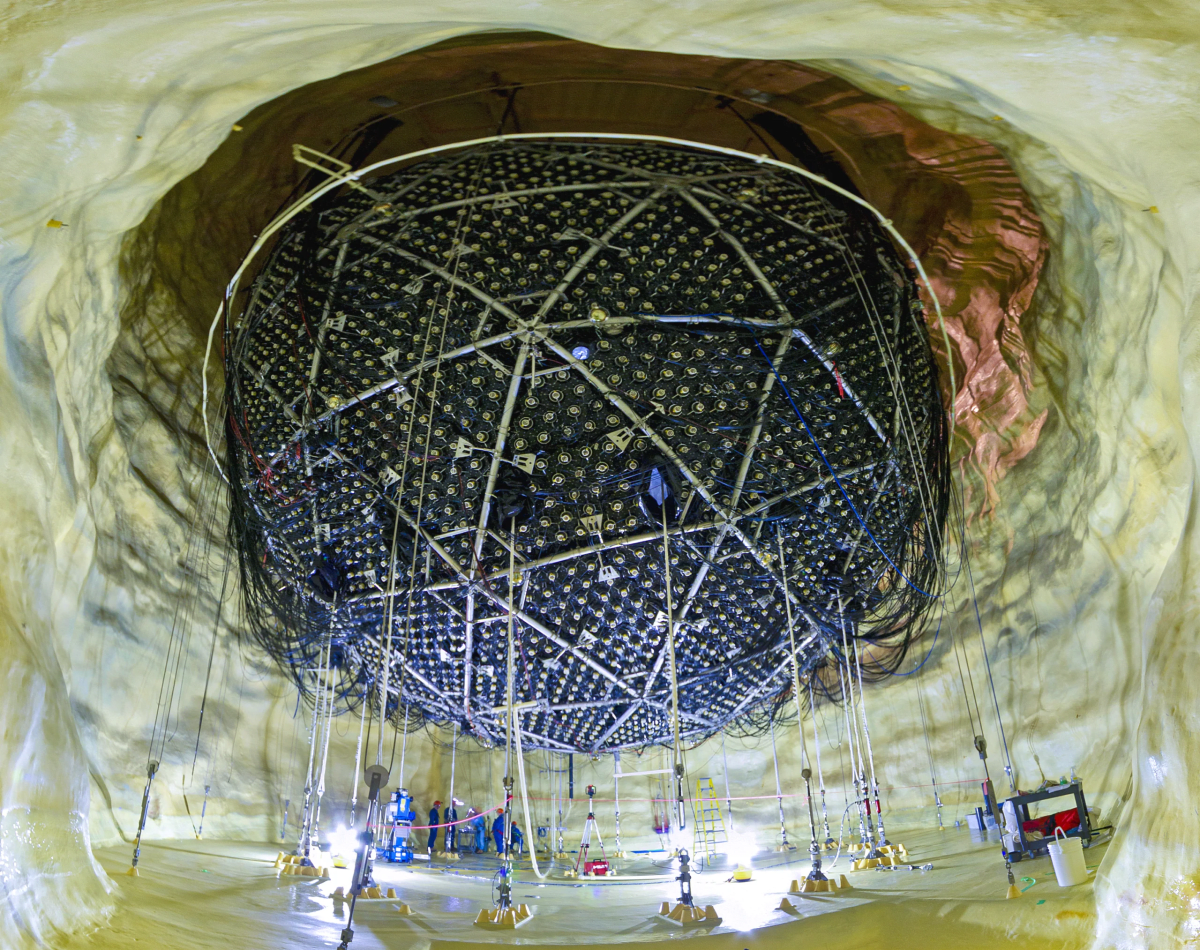
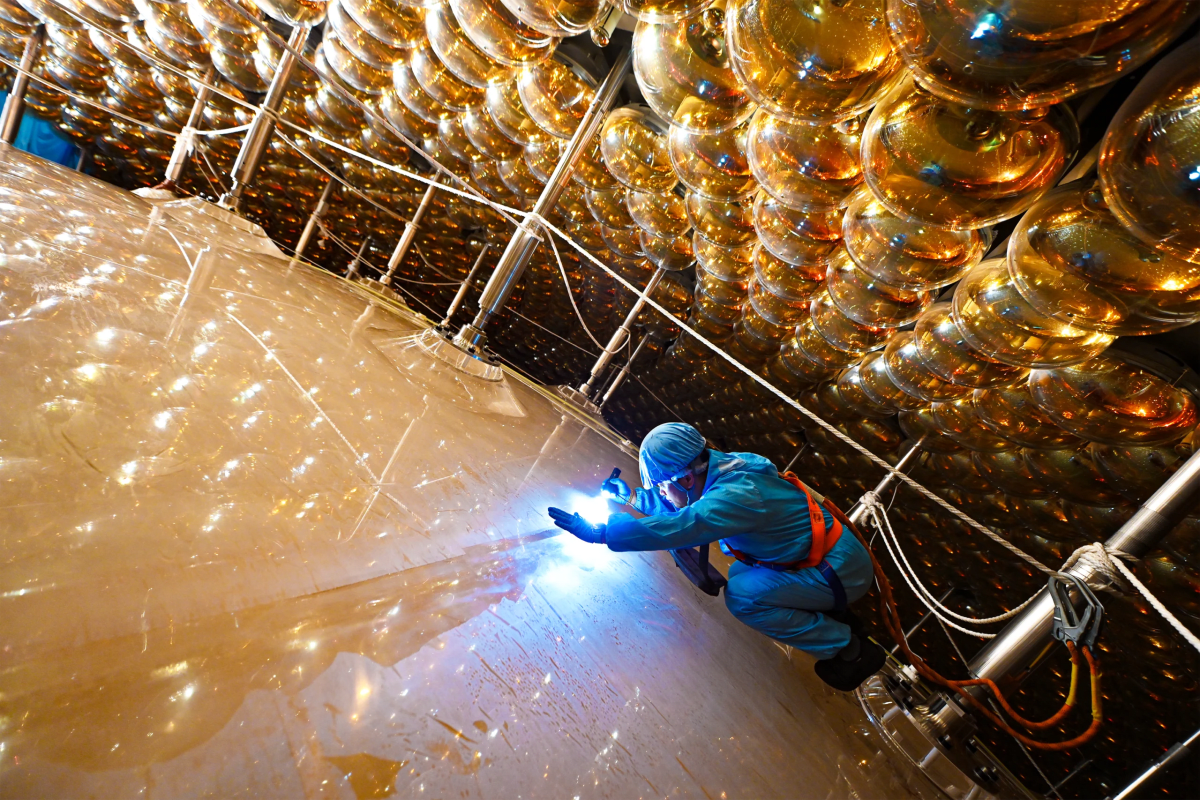
That's changing now. The SNO+ experiment in Sudbury, Canada, uses a house-sized detector filled with 780 tons of special liquid that flashes when hit by these rare particles. A global network of similar detectors, including China's JUNO experiment reporting its first results this year, is creating an unprecedented map of what's happening miles beneath our feet.
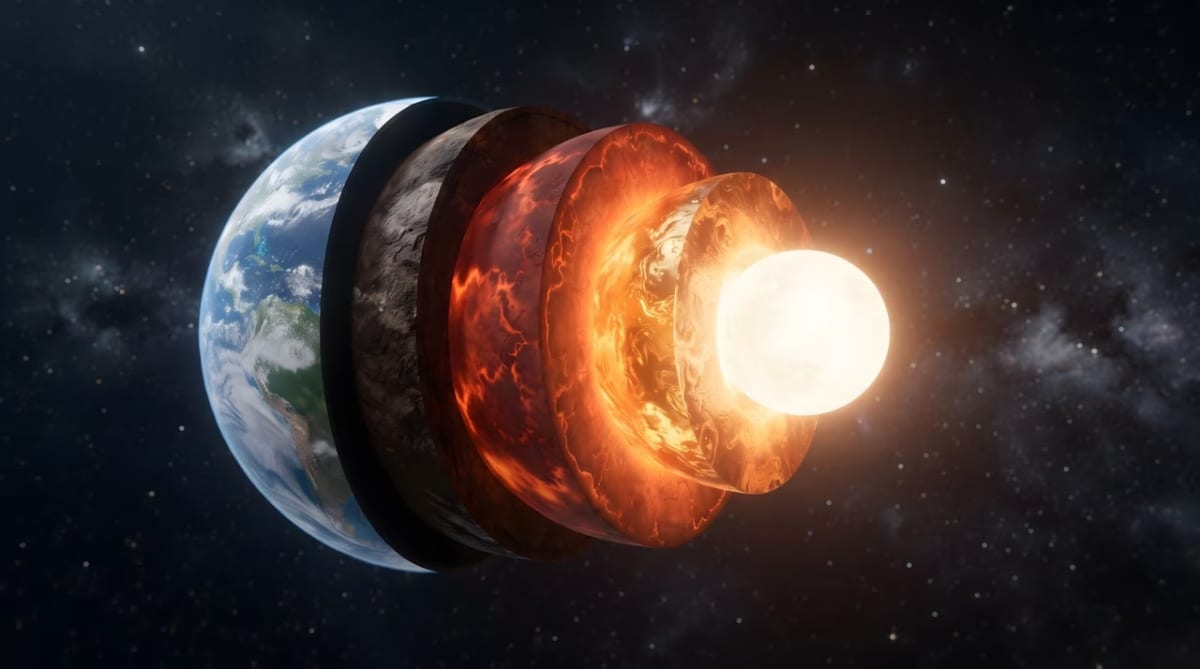
What they're measuring matters more than you might think. Earth needs two heat sources to stay geologically active. One is leftover warmth from when the planet formed 4.5 billion years ago. The other comes from uranium, thorium, and potassium slowly decaying in the mantle and crust.
Without that second source, Earth would have cooled off long ago. We'd be a dead rock like Mars, with no plate tectonics, no volcanic activity, and no magnetic field to shield us from deadly solar radiation. Life as we know it wouldn't exist.
By counting geoneutrinos, physicists can directly measure how much of these life-sustaining radioactive elements exist in Earth's depths. It's the difference between guessing what's in a wrapped gift and actually opening it.
The work requires almost absurd dedication to darkness. Before entering the lab, researchers shower and change clothes to avoid bringing in even microscopic amounts of radioactive dust that could interfere with readings. "The showers aren't for you," technologist Matt Depatie explains. "They're for the science."
Why This Inspires
This research reminds us that some of humanity's biggest questions require patience measured in decades and collaboration across continents. Scientists didn't give up after finding just a handful of particles. They built bigger detectors, dug deeper, and kept searching.
Now their persistence is paying off with answers about the very forces that keep our planet habitable. Understanding Earth's heat engine helps us grasp why we have a home capable of supporting life in the first place.
These ghost hunters in underground labs are teaching us to see our planet in an entirely new way, one invisible particle at a time.
More Images

Based on reporting by Google News - Science
This story was written by BrightWire based on verified news reports.
Spread the positivity!
Share this good news with someone who needs it