Scientists Use Sound to Find India's Hidden Porpoises
Researchers in India discovered a breakthrough way to track one of the ocean's most elusive creatures using their own echolocation clicks. The technique found four times more finless porpoises than traditional visual surveys, offering new hope for protecting these disappearing marine mammals.
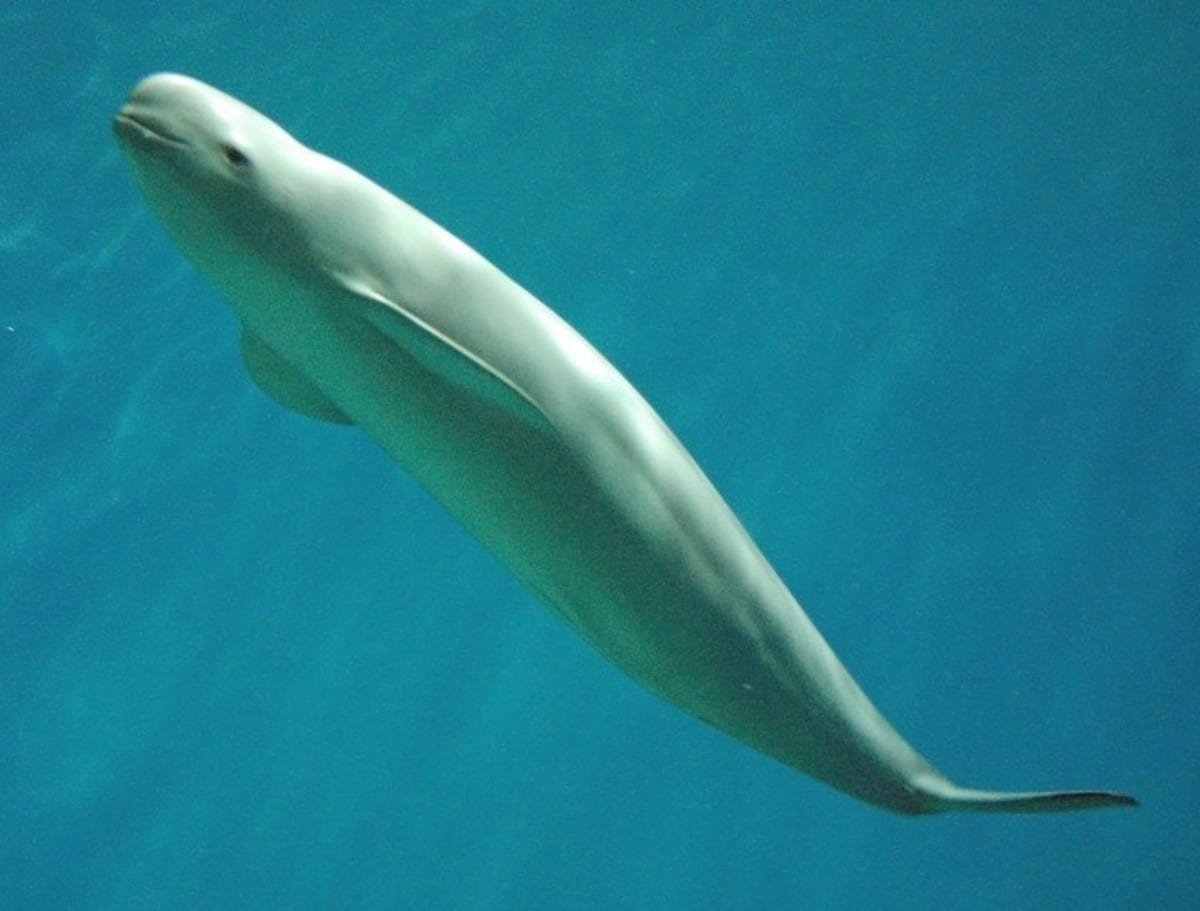
The Indo-Pacific finless porpoise is barely bigger than a large dog, lacks a dorsal fin, and lives in murky coastal waters where it surfaces for just seconds at a time. For years, scientists worried these shy creatures were vanishing before anyone could count them.
Now researchers have found a better way to find them: by listening.
In a 2025 study off India's Sindhudurg coast, scientists used underwater microphones to detect the high-frequency clicks porpoises make to navigate muddy waters. The acoustic surveys picked up four times more porpoises than researchers could spot with their eyes.
"Relying on visual estimates in Indian waters is a significant drawback," said lead researcher Isha Bopardikar from the Indian Institutes of Science Education and Research. The porpoises surface so briefly in such murky conditions that boat-based observers miss most of them.
The finless porpoise grows just five to six feet long and weighs about as much as a middle schooler. It navigates shallow coastal zones using echolocation pulses far above human hearing range, creating a private communication channel that even dolphins and orcas can't detect.
That acoustic privacy once kept them safe from predators. Today, it's not enough protection.
These porpoises increasingly get tangled in fishing nets along crowded coastlines. In Goa alone, an estimated 26 porpoises die each year along just 62 miles of coast. Their spade-shaped teeth snag in nets, unlike dolphins whose conical teeth can sometimes tear through.
"They get stressed easily and fishers say they cry like human children when entangled," said marine mammal researcher Dipani Sutaria. The noise from boats and industrial activity also drowns out their echolocation, making it harder for them to find food or sense danger.
The Bright Side
The acoustic breakthrough means scientists can finally track these porpoises accurately across India's vast coastline. Long-term population data gathered through sound monitoring can help identify critical habitats and high-risk zones where fishing gear modifications or speed limits could save lives.
The same underwater microphones that revealed how many porpoises were being missed can now serve as early warning systems. By knowing where porpoises gather, conservationists can work with fishing communities to reduce accidental catches in those areas.
Every click detected is a porpoise still out there, navigating the turbid waters it has called home for millions of years.
More Images



Based on reporting by Mongabay
This story was written by BrightWire based on verified news reports.
Spread the positivity!
Share this good news with someone who needs it