Scientists Win Grants by Collaborating, Not Competing
Twelve researchers tried something radical: they worked together to decide which grant applications would best serve science, then applied as a team. Both proposals won funding, offering a blueprint for fixing our broken grant system.
A group of scientists just proved that joining forces beats fighting for scraps.
Research funding has become a brutal competition. More researchers are chasing fewer grants, and success rates keep dropping. Scientists spend months writing proposals that probably won't get funded, and many chase trendy topics instead of doing essential work like replication studies.
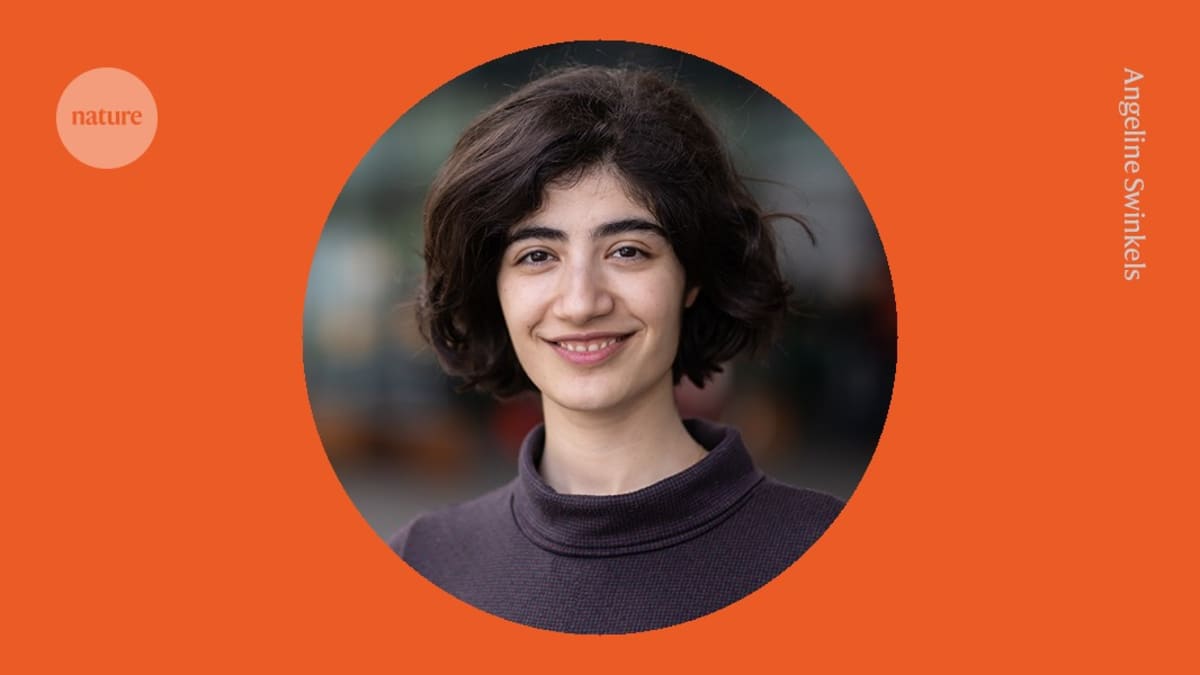
One researcher decided to flip the script. She brought together 12 metascientists who normally compete against each other and asked them to collaborate on grant applications instead.
The twist? These weren't colleagues from the same lab or longtime friends. They were rivals with different expertise who would never normally team up for funding.
The group met to pitch ideas and vote on which research projects would most improve their field. Together, they identified challenges too complex for any single researcher to tackle alone. Then they adapted the strongest proposals to include shared research interests across multiple team members.
The result? Both grant applications won funding.
This approach mirrors what major funders like the National Institutes of Health already do in some areas. Particle physicists have used similar coordination for years when sharing expensive equipment like accelerators. But applying it to regular grant competitions represents fresh thinking.
The benefits extend beyond just winning grants. Research shows that papers with many authors get cited more often, possibly because larger teams produce higher quality work. When scientists coordinate their priorities, they create consistency in how studies measure and report results, making it easier to compare findings across different research groups.
The Ripple Effect
Individual researchers gained advantages they never expected. All twelve collaborators shared their tools and existing data freely. They discussed ongoing projects openly, which prevented the dreaded "scooping" where rival teams rush to publish the same findings first.
Participants reported something even more valuable than funding: meaning. Working on a project their peers had collectively deemed important made their daily work feel more purposeful. Job satisfaction increased across the group.
The timing couldn't be better. AI tools now let researchers crank out grant proposals faster than ever, flooding funding agencies with applications. The old competitive model is buckling under the weight.
Collective applications offer a way forward that serves both science and scientists.
More Images



Based on reporting by Nature News
This story was written by BrightWire based on verified news reports.
Spread the positivity!
Share this good news with someone who needs it