Scotland Airline Orders 5 Electric Planes for 2029
A Scottish airline just made history by ordering five electric aircraft that could slash operating costs by 80 percent while eliminating emissions. Loganair's move could make it Europe's first commercial carrier to fly fully electric scheduled flights.
📺 Watch the full story above
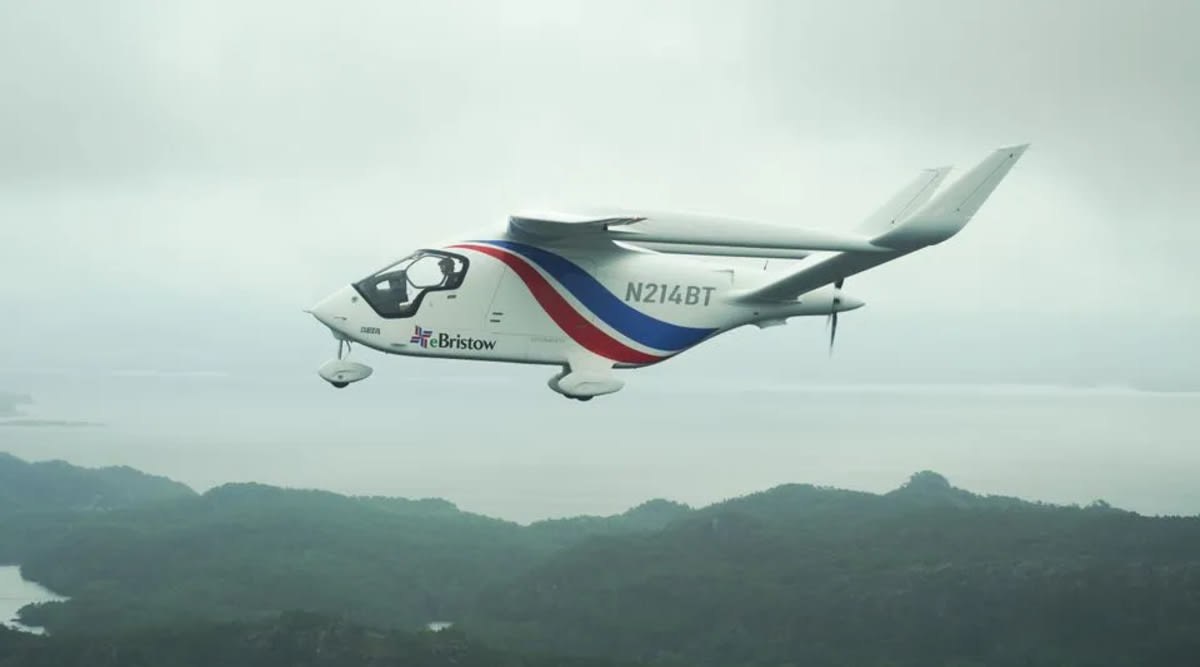
Loganair, Scotland's main regional airline, just signed a deal to buy five electric airplanes that could transform how people travel across the country's remote islands and highlands. The ALIA CX300 aircraft from BETA Technologies proved their worth during test flights this spring, completing 23 trips averaging 56 miles at an energy efficiency better than some electric cars.
Scotland's unique geography makes it the perfect testing ground for electric aviation. More than 90 inhabited islands and highland communities depend on air travel as critical infrastructure, not just convenience, since roads and rail can't bridge hundreds of miles of rugged terrain.
The airline already put the planes through real-world trials in March, flying routes between Glasgow, Dundee, Aberdeen, Inverness, Wick, and Kirkwall over ten days. Royal Mail even tested using the aircraft for postal routes that serve some of Scotland's most isolated communities.
The planes can recharge in just 20 to 40 minutes using BETA's fast charging systems and use existing runways without needing special infrastructure. That practicality matters for airlines trying to weave new technology into tight schedules.
The Bright Side
Loganair isn't buying electric planes just to help the planet. CEO Luke Farajallah expects these aircraft to cut operating costs by a stunning 80 percent based on initial trials, making zero-emission flight economically irresistible.
Kyle Clark, BETA Technologies CEO, emphasized that these flights prove electric aviation can support essential daily services. The collaboration brought together Loganair, Royal Mail, UK aviation authorities, and multiple regional airports to make the testing possible.
The aircraft still need full certification before the planned 2029 launch, when they'll carry both passengers and cargo. Daily operations will reveal whether the charging times and cost savings hold up under real scheduling pressure.
Meanwhile, BETA Technologies is building the future infrastructure through a new consortium with Archer Aviation and Macquarie Capital. They plan to equip more than 250 US airports and vertiports with compatible charging stations by 2030.
The skies above Scotland's misty highlands and island chains could soon become quieter, cleaner, and prove that electric aviation works not just in theory but in the real world where people and mail need to get where they're going.
More Images


Based on reporting by CleanTechnica
This story was written by BrightWire based on verified news reports.
Spread the positivity!
Share this good news with someone who needs it