Scotland Sewer Project Uncovers 3,000-Year-Old Settlement
Workers installing a sewer line in the Scottish Highlands discovered two Iron Age roundhouses up to 3,000 years old, along with rare decorated clay and ancient burial sites. The find is revealing how our ancestors lived, worked, and honored the dead thousands of years ago.
A routine sewer installation in Scotland just opened a window into life 3,000 years ago, and archaeologists are calling one discovery unlike anything found before in the United Kingdom.
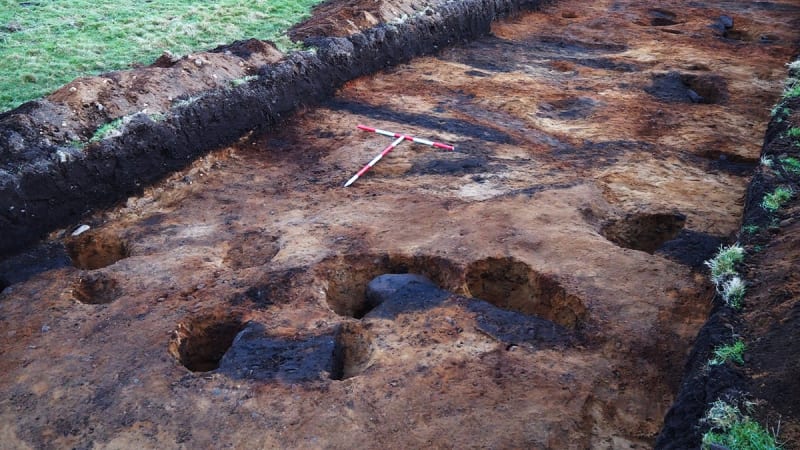
Workers at Windhill in the Scottish Highlands uncovered two remarkably preserved Iron Age roundhouses, complete with ancient metalworking furnaces and rare decorated walls. The site also contained burial remains from the 6th century A.D., creating a timeline that spans thousands of years of human history.
The Iron Age structures tell the story of a bustling prehistoric community. Stone tools for grinding grain, fragments of copper and iron, and burnt barley seeds paint a picture of daily life in ancient Scotland.
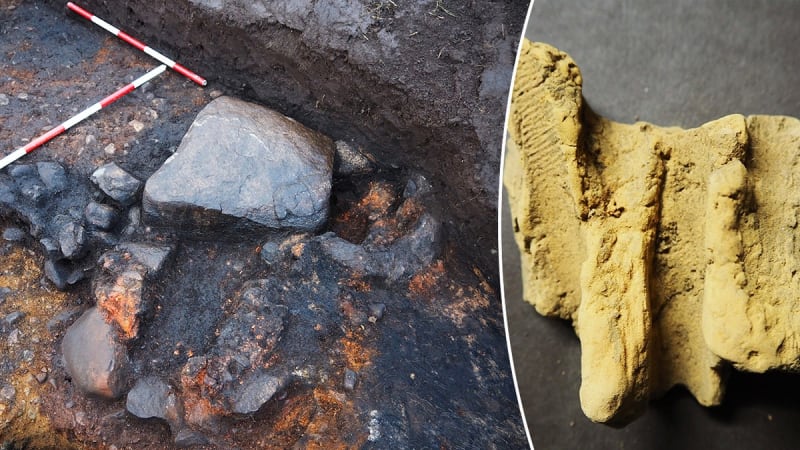
Outside the roundhouses, archaeologists found two smelting furnaces that produced intense heat and fumes. These outdoor workshops show how our ancestors mastered metalworking, carefully positioning their industrial sites away from living spaces.
Steven Birch from West Coast Archaeological Services said the furnaces were well preserved enough to reveal construction details. Environmental samples included charcoal, burnt hazelnut shells, and grain that help researchers understand what people ate and how they lived.
Why This Inspires
The most exciting find was decorative clay daub, or mud plaster, featuring chevron patterns on the roundhouse walls. Birch confirmed this type of decorated wall covering has never been found in Scotland before, and possibly not anywhere in the U.K.
This artistic touch shows that even 3,000 years ago, people cared about making their homes beautiful, not just functional.
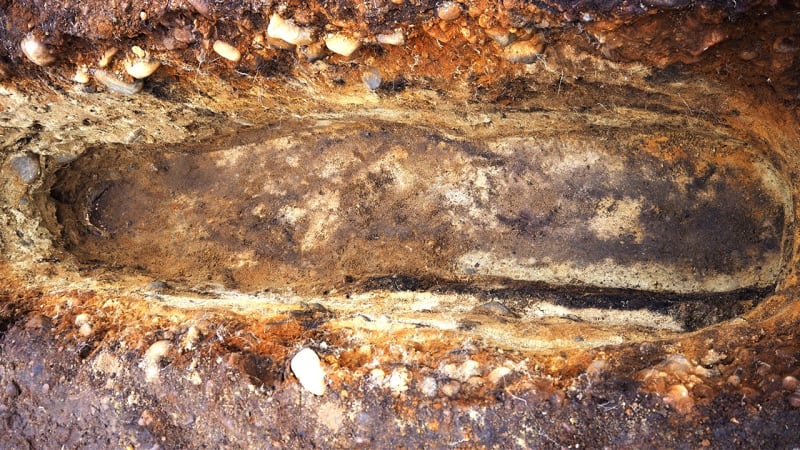
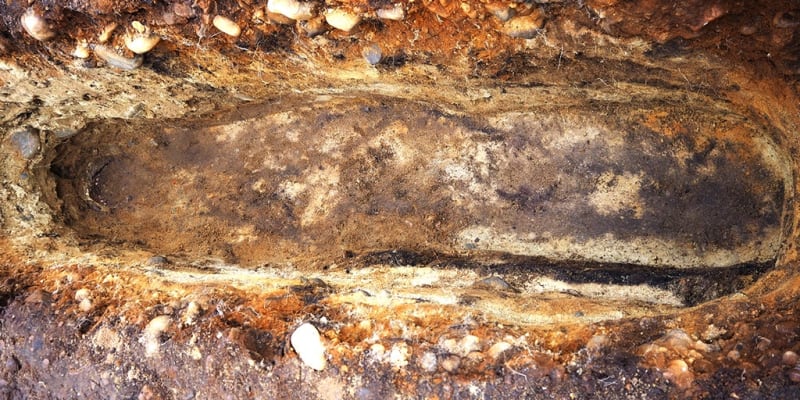
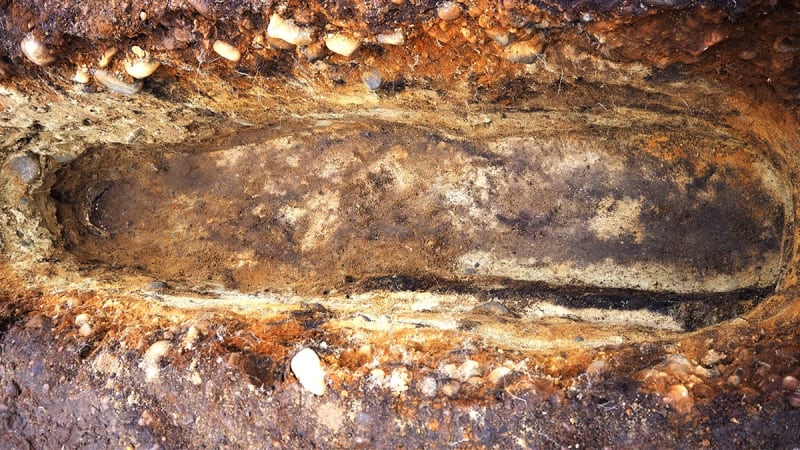
The 6th century burials add another layer to the story. One person was laid to rest in a log coffin, though acidic soil dissolved most remains except skull fragments and a soil stain marking where the body lay.
What moved researchers was realizing these early medieval people chose to bury their dead near the ancient roundhouses. Even as Christianity spread through Scotland, communities still honored their pagan ancestors and respected prehistoric monuments.
The discovery strengthens evidence that the Moray Firth Basin was densely populated during prehistory. Multiple archaeological sites in the area show widespread metalworking and thriving communities that have remained hidden until now.
Researchers are conducting radiocarbon dating and analyzing teeth, bones, and plant remains to build a complete timeline of the site. Each test brings them closer to understanding how generations of Scots lived, worked, and remembered those who came before.
More Images
Based on reporting by Fox News Travel
This story was written by BrightWire based on verified news reports.
Spread the positivity!
Share this good news with someone who needs it
%2Fhttps%3A%2F%2Ftf-cmsv2-smithsonianmag-media.s3.amazonaws.com%2Ffiler_public%2F4e%2F9f%2F4e9f0fe8-aa48-438a-b88f-3a29cd71107e%2Fhttps___wwwfrontiersinorg_files_articles_1758862_xml-images_fmats-13-1758862-g001.jpeg)
%2Fhttps%3A%2F%2Ftf-cmsv2-smithsonianmag-media.s3.amazonaws.com%2Ffiler_public%2F8e%2F83%2F8e837bc6-e2b3-4bb6-bb1c-4f1287b45a6f%2Fcastillo-39-rincon_de_los_signos.jpg)