Scotland Shelters Seedlings From World's Last Wild Tree
Two baby trees from the planet's only surviving wild parent are now thriving in Scotland after an urgent international rescue. The species once numbered just eight, and today clings to a cliff by ropes on a remote Pacific island.
The world's rarest tree just got a fighting chance, thanks to a botanic garden in southwest Scotland that's become an unlikely refuge for a species down to its very last wild survivor.
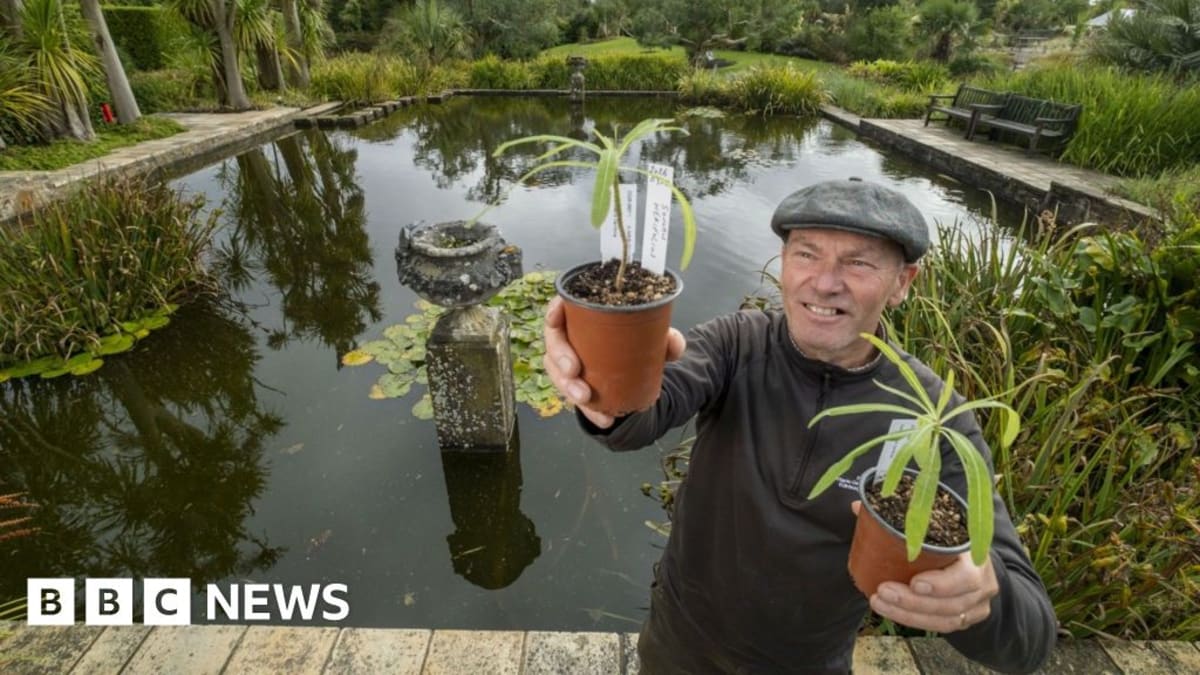
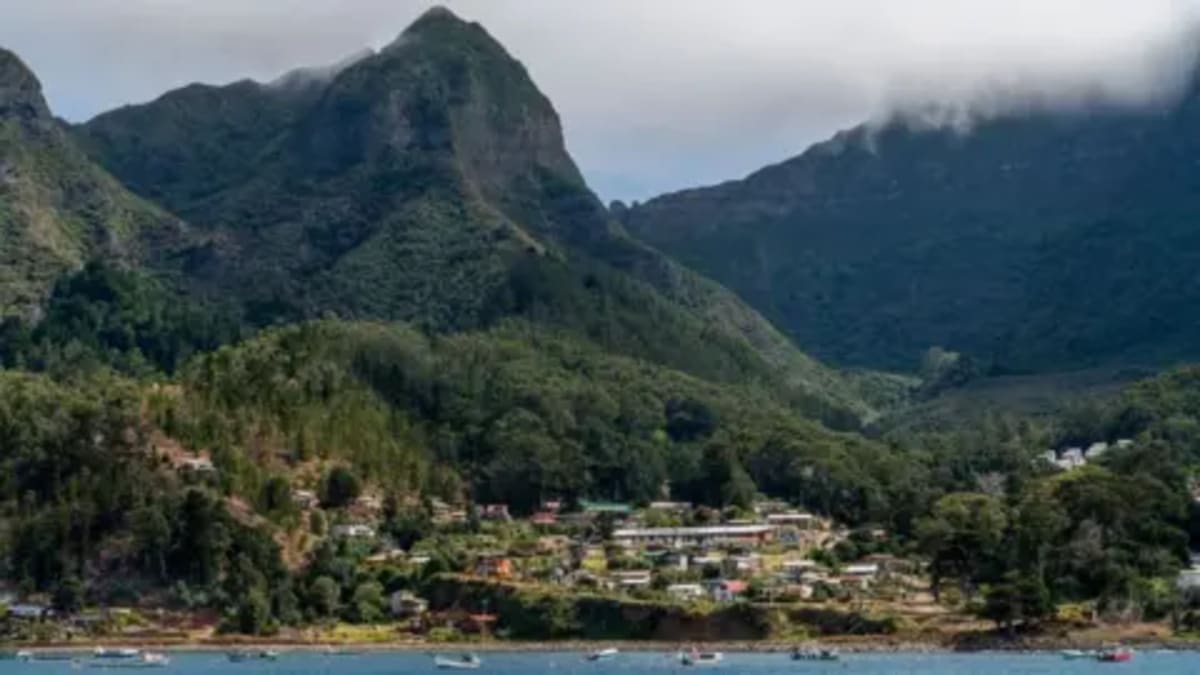
Two seedlings from the final dendroseris neriifolia tree have arrived at Logan Botanic Garden in Dumfries and Galloway. Their parent tree, supported by ropes on a steep volcanic cliff on Chile's Robinson Crusoe Island, is the last of its kind growing wild anywhere on Earth.
The rare tree daisy has suffered a heartbreaking decline. By 1980, only eight wild specimens remained on the remote South Pacific island. Reintroduction efforts in the early 2000s showed promise, but when protection measures collapsed in 2017, invasive plants and grazing animals destroyed the recovering population.
This May, scientists collected 29 precious seeds from the lone survivor and sent them to the Millennium Seed Bank at Kew Wakehurst in the UK. Eight successfully sprouted. Two of those seedlings now call Scotland home, while six remain at Kew for additional safeguarding.
Logan was chosen specifically for its climate, which mirrors the cool, moist conditions of the Juan Fernández Islands. The garden has a proven track record with rare Chilean plants that struggle elsewhere.
"This is the start of an exciting new period," said Richard Baines, Logan's curator. "Creating a safe place for these seedlings, getting to know them, and learning more about their adaption to different environments gives us the chance to contribute so much more."
Why This Inspires
This rescue represents something remarkable: the entire world working together to save a single species from vanishing forever. Scientists in Chile climbed volcanic cliffs to gather seeds. Experts in England coaxed them to life. Scottish gardeners are now learning their needs and habits.
Diego Penneckamp, a scientist at Jardín Botánico VerdeNativo in Chile, called it "a race against time" to prevent the extinction of a unique evolutionary lineage. The dendroseris neriifolia represents millions of years of adaptation to one specific island ecosystem.
Every seedling matters because genetic diversity is everything for a species this close to the edge. These Scottish saplings aren't just backups. They're living libraries of information that could one day help restore wild populations if conditions on Robinson Crusoe Island improve.
The collaboration proves that even when nature's outlook seems darkest, human determination can create hope where none existed before.
More Images
Based on reporting by BBC Science
This story was written by BrightWire based on verified news reports.
Spread the positivity!
Share this good news with someone who needs it