Scotland's Rare Capercaillie Population Jumps 50% in 5 Years
One of Britain's most endangered birds is making a comeback in Scotland's ancient forests. After shrinking to just 532 birds nationwide, the majestic capercaillie is showing new signs of life thanks to clever conservation work.
In the misty pine forests of the Scottish Highlands, conservationists are celebrating a rare win for one of Britain's most endangered birds.
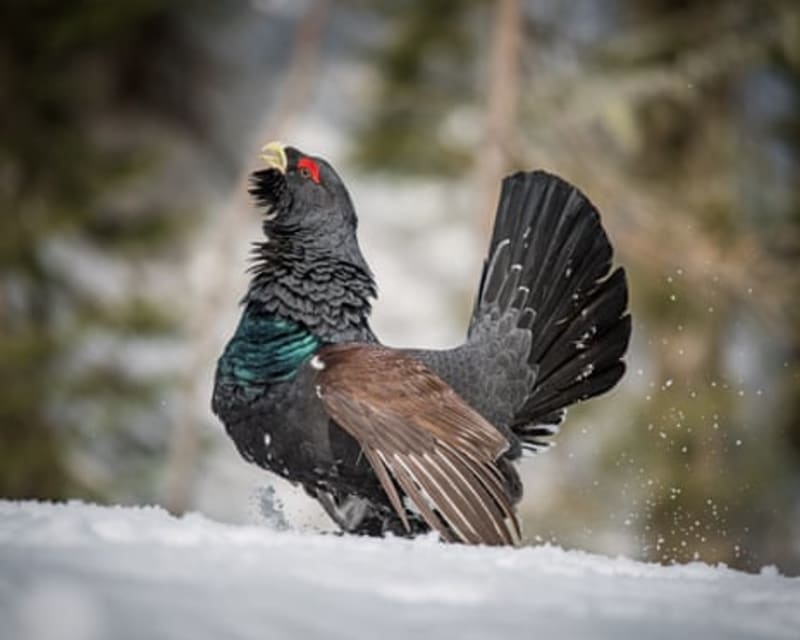
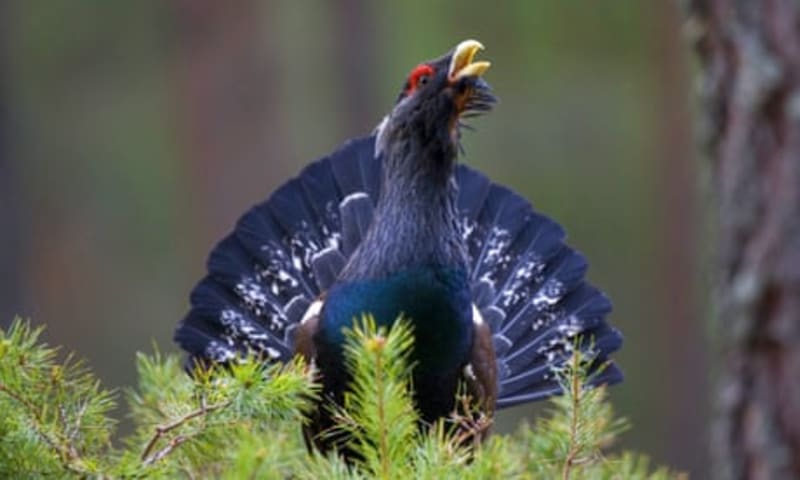
The capercaillie, a turkey-sized grouse nicknamed "horse of the woods," has seen its male population jump 50% at RSPB Abernethy reserve. Numbers climbed from just 20 males in 2020 to 30 this spring, offering fresh hope for a species that nearly vanished from Scotland.
These spectacular birds were once thriving. More than 20,000 capercaillies lived in Scotland during the 1970s, but habitat loss, wetter weather, and human disturbance drove their numbers down to just 532 birds today. That's the lowest count since surveys began three decades ago.
The turnaround at Abernethy came from creative problem-solving. Conservationists deployed a remote-controlled mower to cut back thick heather in hard-to-reach areas, making room for blaeberry plants that capercaillies depend on for food. The berries also attract moth caterpillars, a crucial protein source for baby chicks.
The team got even more innovative with grazing. Virtual fence collars on cattle let them manage forest grazing without installing physical fences that these large birds could crash into during flight.
Spring brought encouraging signs when researchers counted males at their lekking sites, where the showy black and red birds perform dramatic flutter jumps and make popping sounds to attract camouflaged females. Abernethy now hosts more than 20% of Scotland's 143 lekking males.
The Ripple Effect
The improvements helping capercaillies are transforming entire forest ecosystems. Creating open patches where chicks can dry off and warm up after rain benefits ground-nesting songbirds too. Restoring native pinewood diversity supports hundreds of other species that call these ancient forests home.
Other Scottish forests are taking notice. Strathspey recorded its own increase in male capercaillies in 2023, suggesting these habitat management techniques could work across the Highlands.
Richard Mason, conservation manager at RSPB Abernethy, remains cautiously optimistic. "The future of capercaillie remains in the balance, we are hopeful that these techniques can support their recovery in Scotland," he said.
The work continues across all capercaillie sites, with conservationists betting that patient, targeted habitat improvements can bring the "horse of the woods" back from the brink.
More Images


Based on reporting by Guardian Environment
This story was written by BrightWire based on verified news reports.
Spread the positivity!
Share this good news with someone who needs it