Scotland's River Detectives Protect Water With Fly Counts
More than 60 volunteer groups across Scotland are counting tiny river insects to catch pollution before it spreads. This growing army of citizen scientists is building an early warning system that's already logged over 1,000 water quality surveys.
Volunteers armed with nets and sample trays are becoming Scotland's secret weapon against river pollution, one mayfly at a time.
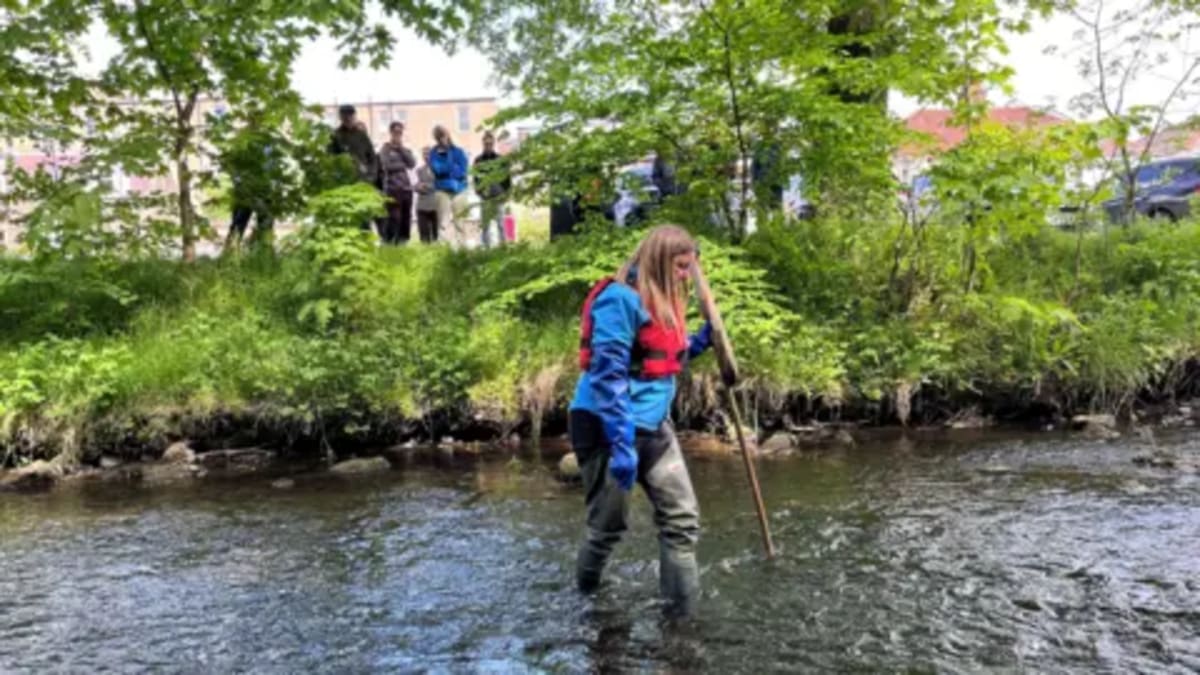
The Riverfly Partnership scheme has exploded across Scotland since arriving four years ago, growing from zero to more than 60 monitoring groups. These citizen scientists regularly count invertebrates like caddisflies, mayflies, and stoneflies in local rivers and burns, creating an early warning system that alerts authorities the moment water quality drops.
The concept is beautifully simple. Certain insects thrive only in clean water, so when their numbers suddenly change, something's wrong. Volunteers submit their findings immediately to the Scottish Environment Protection Agency, filling the gaps between official monitoring visits.
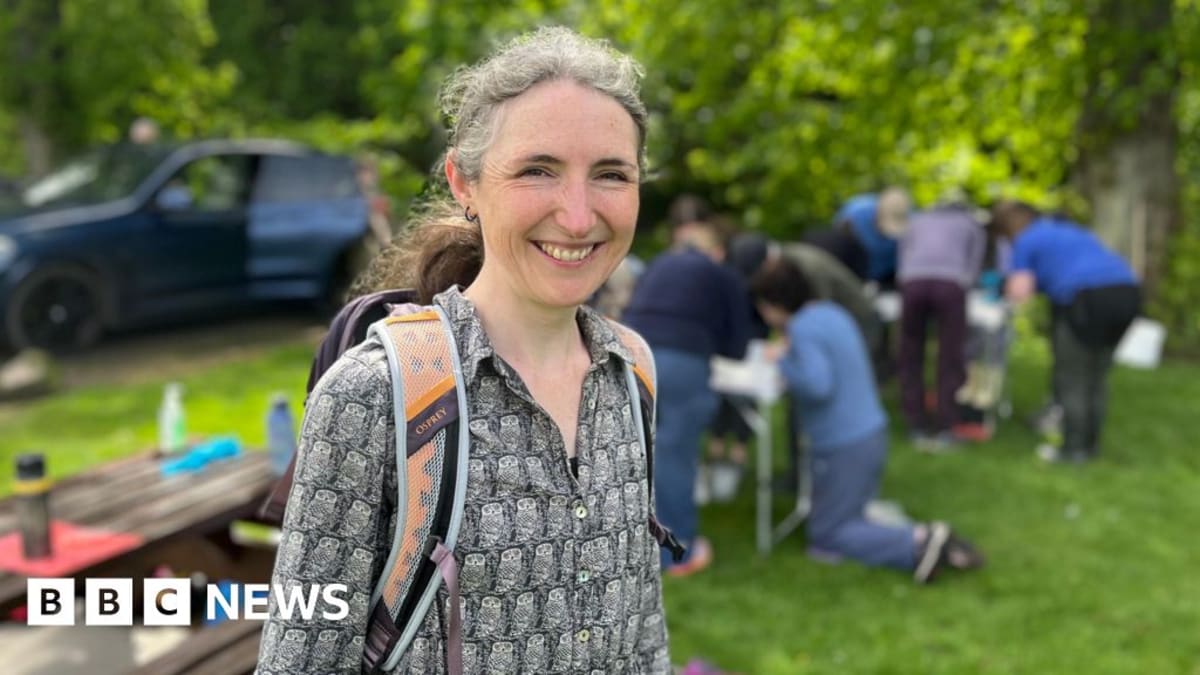
Marine biologist Erica Chapman calls riverflies "the canaries of our water courses." If they disappear, everyone knows to investigate fast.
The program started in England two decades ago, but conservation charity Buglife brought it to Scotland in 2022. Now most river catchments have at least one monitoring group, from the far north's Abhainn Gleann Leircag to the southern Rivers Cree and Tweed. Over 1,000 surveys have been logged so far.
In the Scottish Borders alone, six groups already operate in towns like Peebles, Jedburgh, and Walkerburn. Three more training sessions are planned for Coldstream, Eyemouth, and Innerleithen.
Angler Neil Macintyre joined a recent training session on the Eddleston Water. He's fished these rivers for years but says the program took his understanding to a new level. "I knew a bit about the invertebrates, but this training has really opened my eyes," he explained.
Conservation student Anna Dorward loves the sorting process most. She collects samples from the same river spot each month, then carefully separates and counts each species. "My identification is getting better and I love doing it," she said.
The Ripple Effect
Beyond catching pollution early, the program is reconnecting people with their local waterways. Volunteers learn to spot invasive species like demon and killer shrimps that threaten native ecosystems. They're becoming experts on creatures they'd never noticed before.
Buglife trainer Elaine Rainey says the benefits flow both ways. Rivers get protection while communities build deeper connections to the natural spaces around them. "People across Scotland are building connections with their rivers and burns, and we are all benefiting from this interest," she noted.
The organization continues expanding, offering free training and equipment kits to anyone willing to get their boots wet. Each new volunteer means another stretch of river gets watched, another community gets invested in protecting its waterways.
Scotland's rivers now have thousands of extra eyes watching over them, armed with nothing more than nets, trays, and genuine care for the water flowing through their neighborhoods.
More Images

Based on reporting by BBC Science
This story was written by BrightWire based on verified news reports.
Spread the positivity!
Share this good news with someone who needs it