Scottish Seabed Healing After Illegal Fishing Damage
Five years after an illegal fishing dredger tore through a protected seabed near Scotland, underwater cameras are capturing the ocean floor coming back to life. Sea cucumbers, crabs, and even sharks are returning to areas once stripped bare.
The ocean floor is fighting back, and winning.
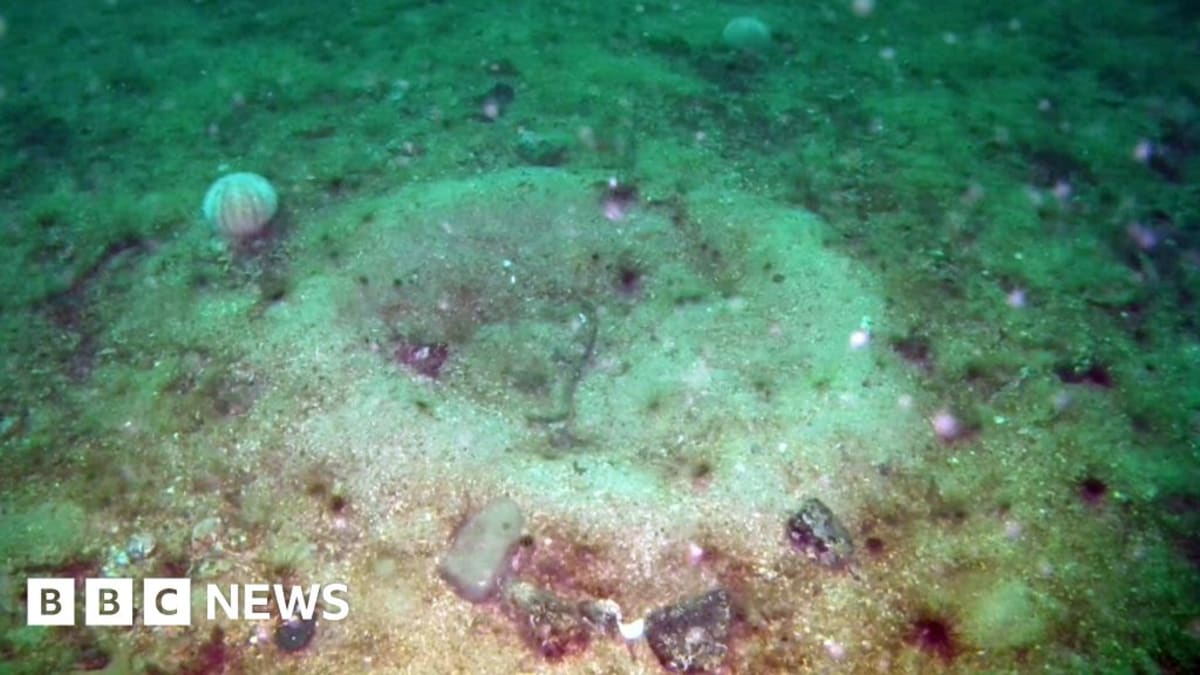
In 2019, an illegal fishing boat dragged heavy dredging equipment through Scotland's Wester Ross Marine Protected Area, destroying everything in its path. The scars left behind looked like someone had plowed through an underwater garden, leaving parallel lines of devastation across the seabed near the small island of Eilean Dubh.
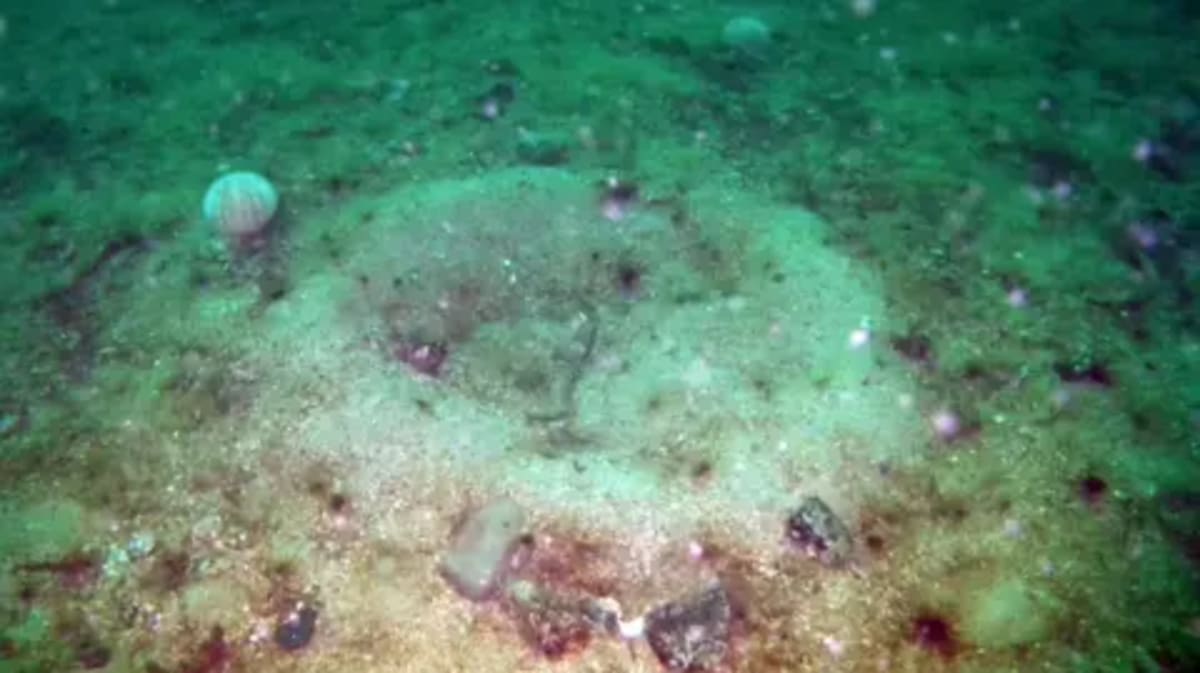
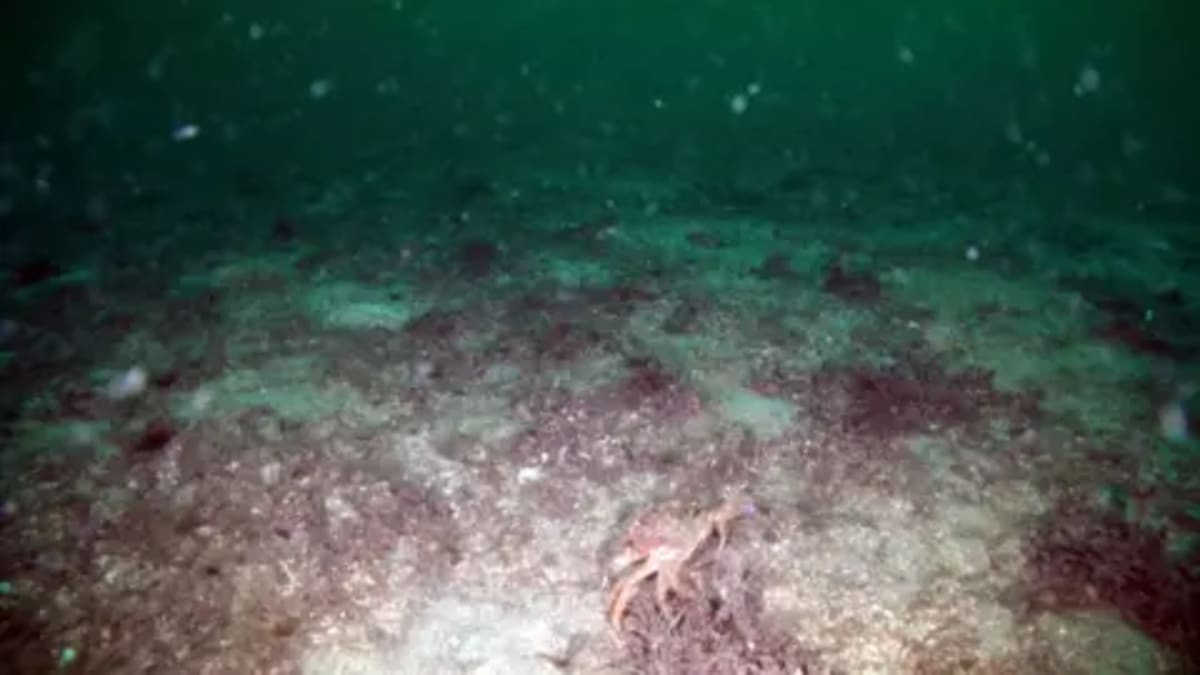
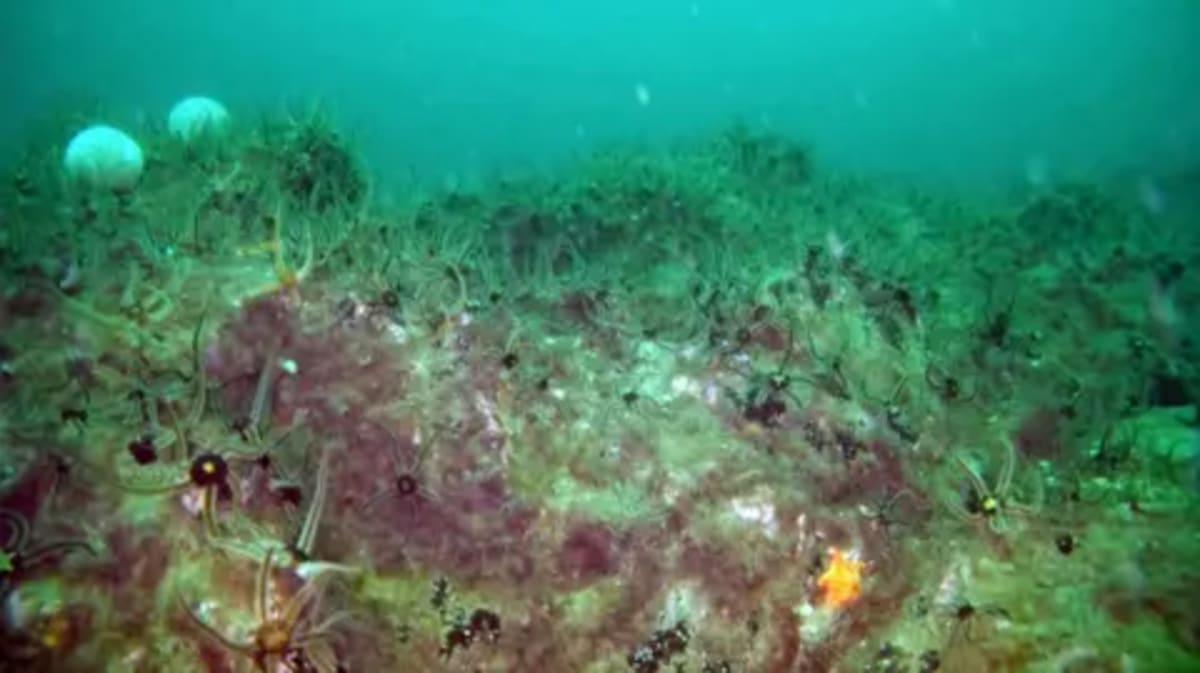
Five years later, something remarkable is happening. Underwater drones monitoring the damaged area are capturing footage of life creeping back into the zone.
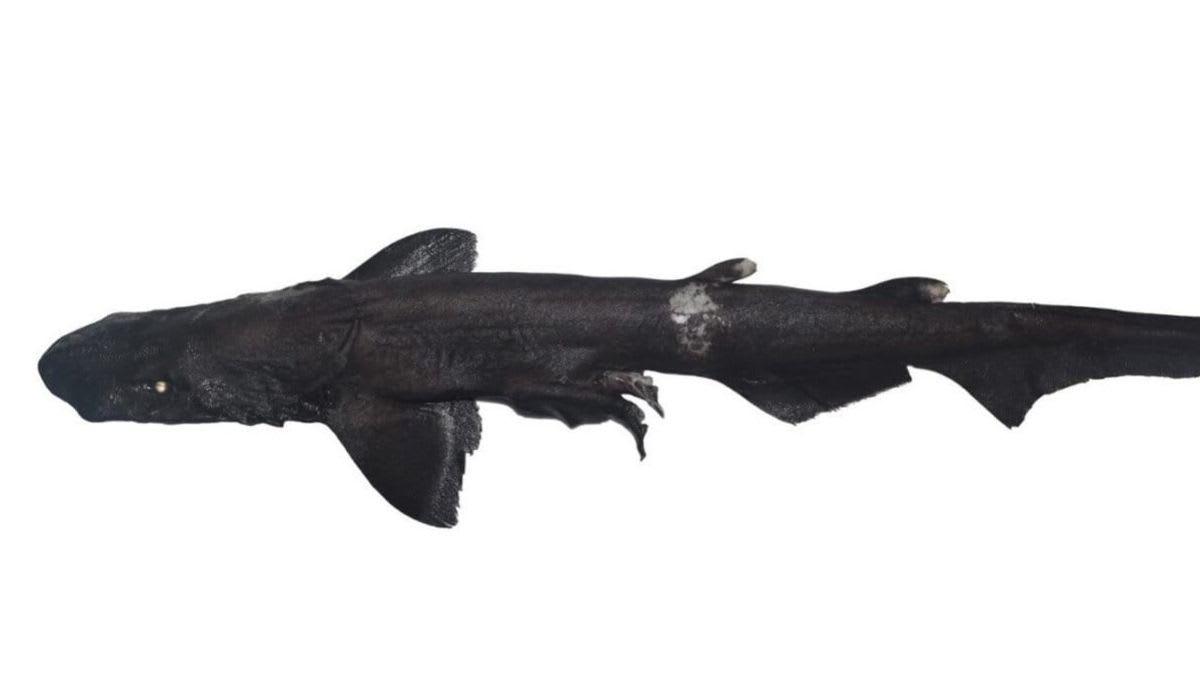
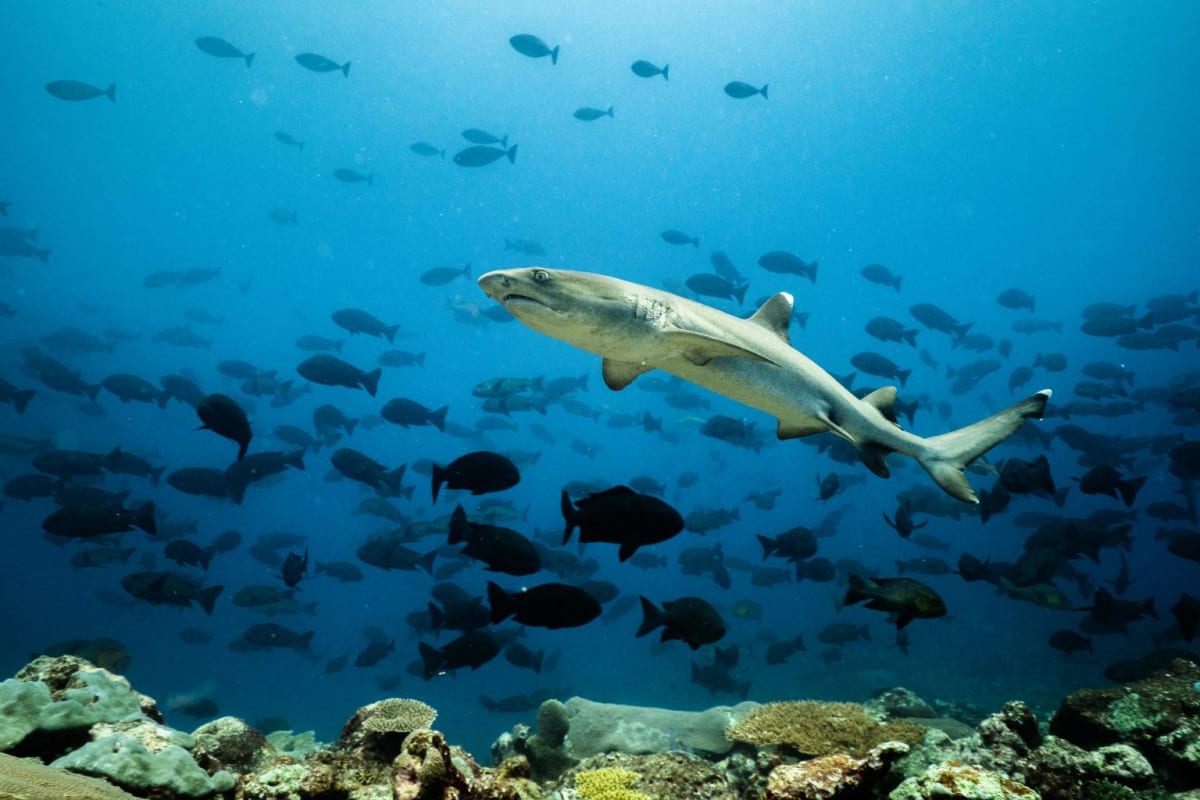
Sea cucumbers, which buried themselves deep in the sand to survive the destruction, have emerged in significant numbers. Cat sharks now glide across the recovering seabed. Cushion sea stars and crabs pick their way through returning algae patches, reclaiming territory that was once rubble.
The 231 square mile protected area near Ullapool was created in 2016 to shield unique underwater habitats shaped by ancient glaciers. These areas provide crucial nursery grounds where young cod can hide from predators among flame shells and hard pink seaweed called maerl.
Phil Taylor from conservation group Open Seas has been documenting the recovery. "Cod once were here in such abundance that they were caught commercially," he said. Those days may return if the healing continues.
The Ripple Effect
The recovery proves something powerful: when we protect ocean ecosystems from destructive practices, they can repair themselves. Experts say full recovery may take a decade, but the progress already visible offers hope for Scotland's 240+ marine protected areas.
The return of complex, three-dimensional habitats means more than just pretty underwater scenery. These ecosystems support the fish populations that coastal communities depend on for their livelihoods. More protected seabed could mean more fish, more jobs, and healthier oceans for everyone.
Conservation groups are now pushing Scotland to expand fishing restrictions to cover 30% of its coastal waters. Over 16,500 people have signed petitions calling for faster action, tired of seeing protected areas exist only on paper without actual restrictions.
The seabed near Eilean Dubh is slowly transforming back into the vibrant underwater world it once was, one sea cucumber at a time.
More Images

Based on reporting by BBC Science
This story was written by BrightWire based on verified news reports.
Spread the positivity!
Share this good news with someone who needs it