Sea Shanty Bands Unite UK Communities After TikTok Boom
After a viral sea shanty took TikTok by storm in 2021, hundreds of community singing groups have formed across the UK, bringing together people from 22 to 82 to keep maritime history alive. These rough-and-tumble crews are filling dance floors, fighting loneliness, and giving coastal towns a new reason to celebrate.
When Tony Lewis joined a sea shanty band at age 70-something, he'd never sung in public before and had no plans to start.
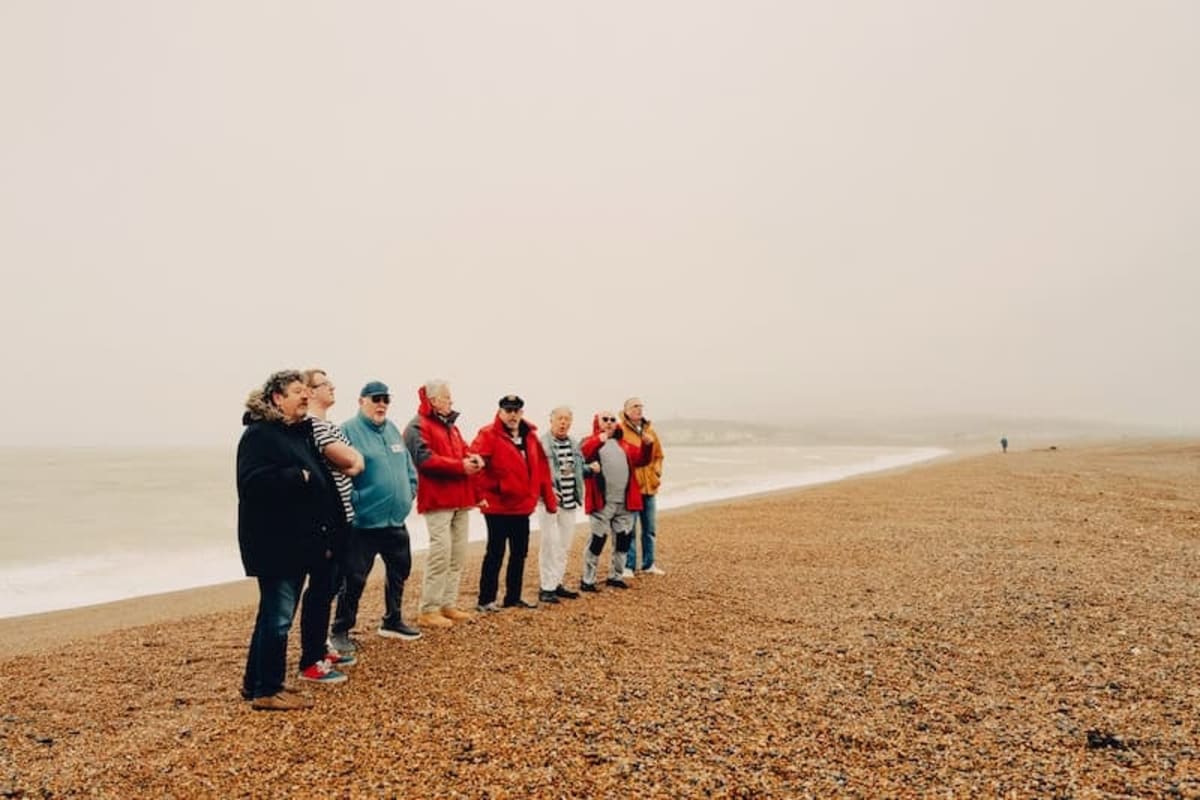
Now the volunteer lifeboat operations manager from Newhaven calls his Wednesday night rehearsals in a garden shed the highlight of his week. He's part of the Wreckers, one of hundreds of shanty groups that have popped up across the UK since 2021, when Scottish postman Nathan Evans turned a New Zealand whaling song called "Wellerman" into a viral sensation.
The TikTok craze sparked something unexpected. Community groups from Brighton to West Yorkshire started forming, learning the old working songs that sailors once sang to survive brutal conditions far from home. These weren't pretty choir arrangements but rhythm-heavy songs designed to keep crews synchronized while hauling ropes and pulling masts in horrible weather.
Today's shanty singers skew male and over 40, but their audiences tell a different story. When the Wreckers perform in their Breton tops and sailors' hats, kids crowd the front to sing along while teenagers nod at the back. Brighton's Homeward Bound runs packed sea shanty workshops for bachelor and bachelorette parties in craft beer bars. The Falmouth International Sea Shanty Festival now draws over 65,000 visitors, with young people making up large portions of the crowd.
Lewis loves that his group keeps coastal history alive at a time when few jobs connect to maritime work. Last November, lifelong fisherman Martin Yorwarth even wrote a protest ska shanty about small fishing boats threatened by industrial trawlers, proving these old songs still have modern relevance.
But the real magic happens between the eight singers, who range from 22 to 82. "Some of us have health issues or partners with health issues, or we've lost partners, but through shanty we've found roots to understand our place in life," Lewis says. The breathing, the timing, the reliance on each other creates what he calls a fellowship.
Why This Inspires
Sea shanties were survival tools for isolated sailors doing backbreaking work without any entertainment beyond their own voices. Today they're survival tools of a different kind, fighting the loneliness and disconnection that plague modern life. These aren't polished performances by trained vocalists. They're working songs sung by regular people who've found that breathing together, singing together, and showing up for each other every week creates something worth more than perfect pitch.
The Wreckers always remind audiences that shanties weren't sung by choir boys but by hardworking sailors. That's the point. You don't need talent or training to find your people and raise your voice.
In garden sheds and yacht clubs across the UK, a 200-year-old tradition is proving that sometimes the best way forward is to look back.
Based on reporting by Positive News
This story was written by BrightWire based on verified news reports.
Spread the positivity!
Share this good news with someone who needs it