Sea Turtle Study Reveals Males' Secret Ocean Journeys
Scientists tracked male green sea turtles for three years off Brazil's coast and discovered migration patterns that could revolutionize conservation efforts. The findings fill critical gaps in understanding how these mysterious ocean travelers survive and thrive.
Male green sea turtles have been swimming under the radar for decades, but a groundbreaking study from Florida State University just changed that.
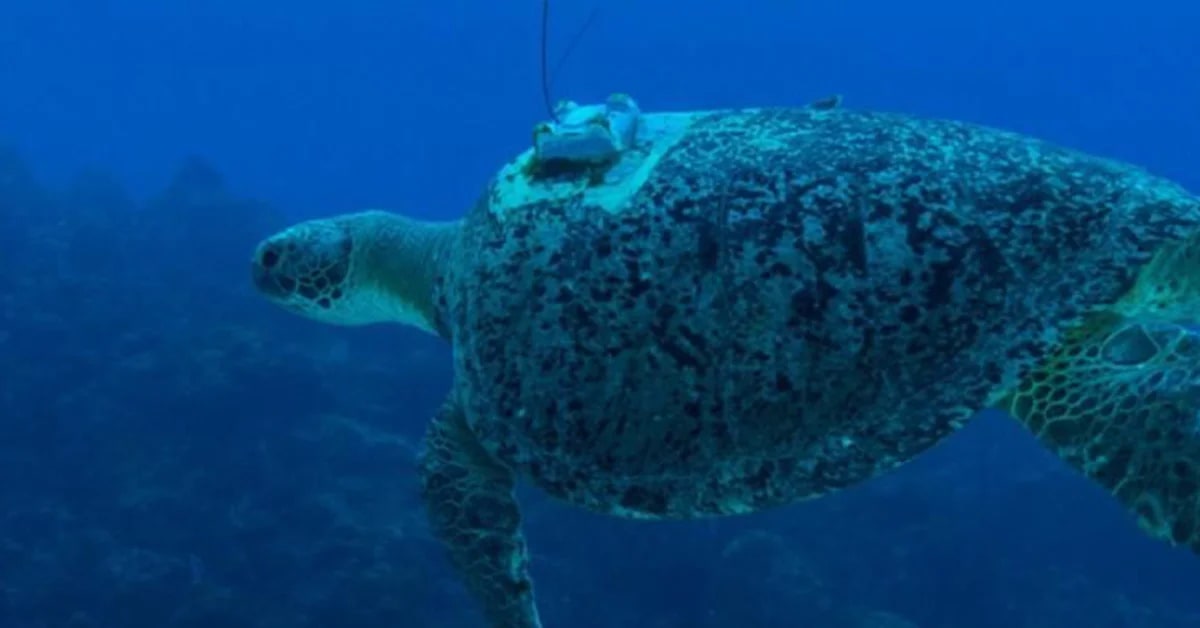
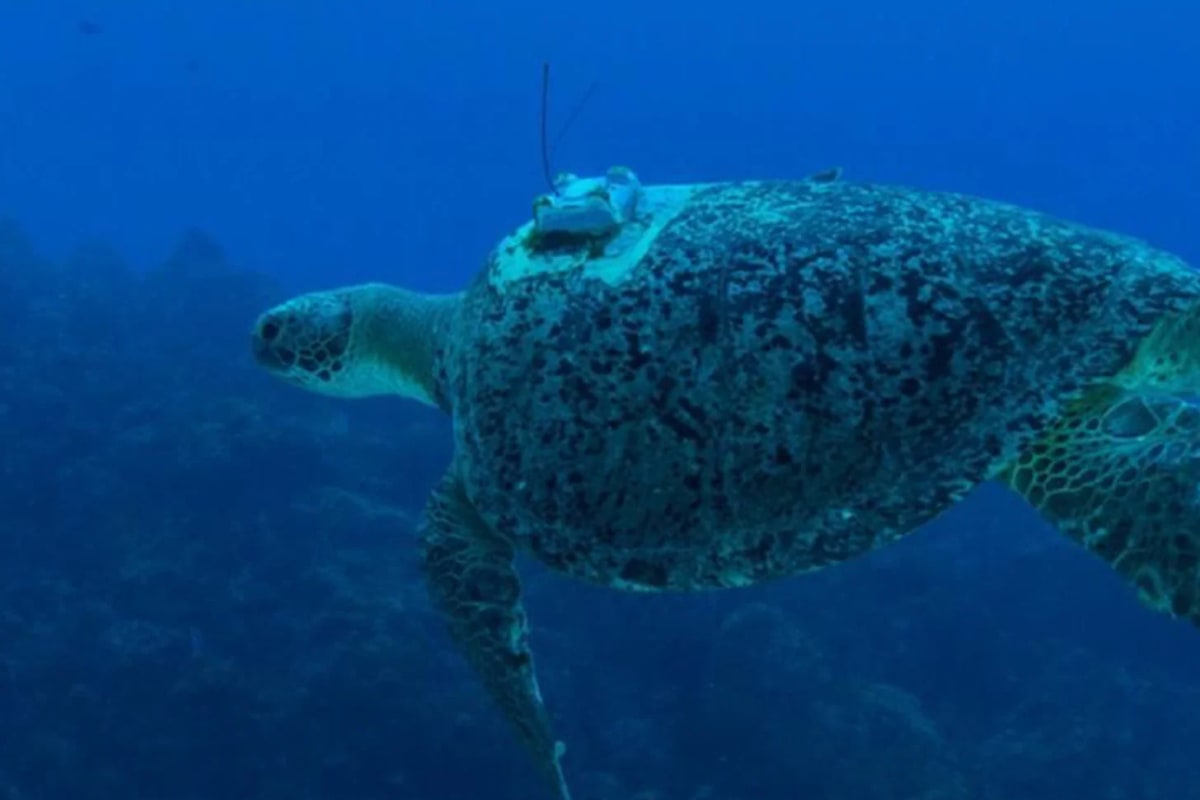
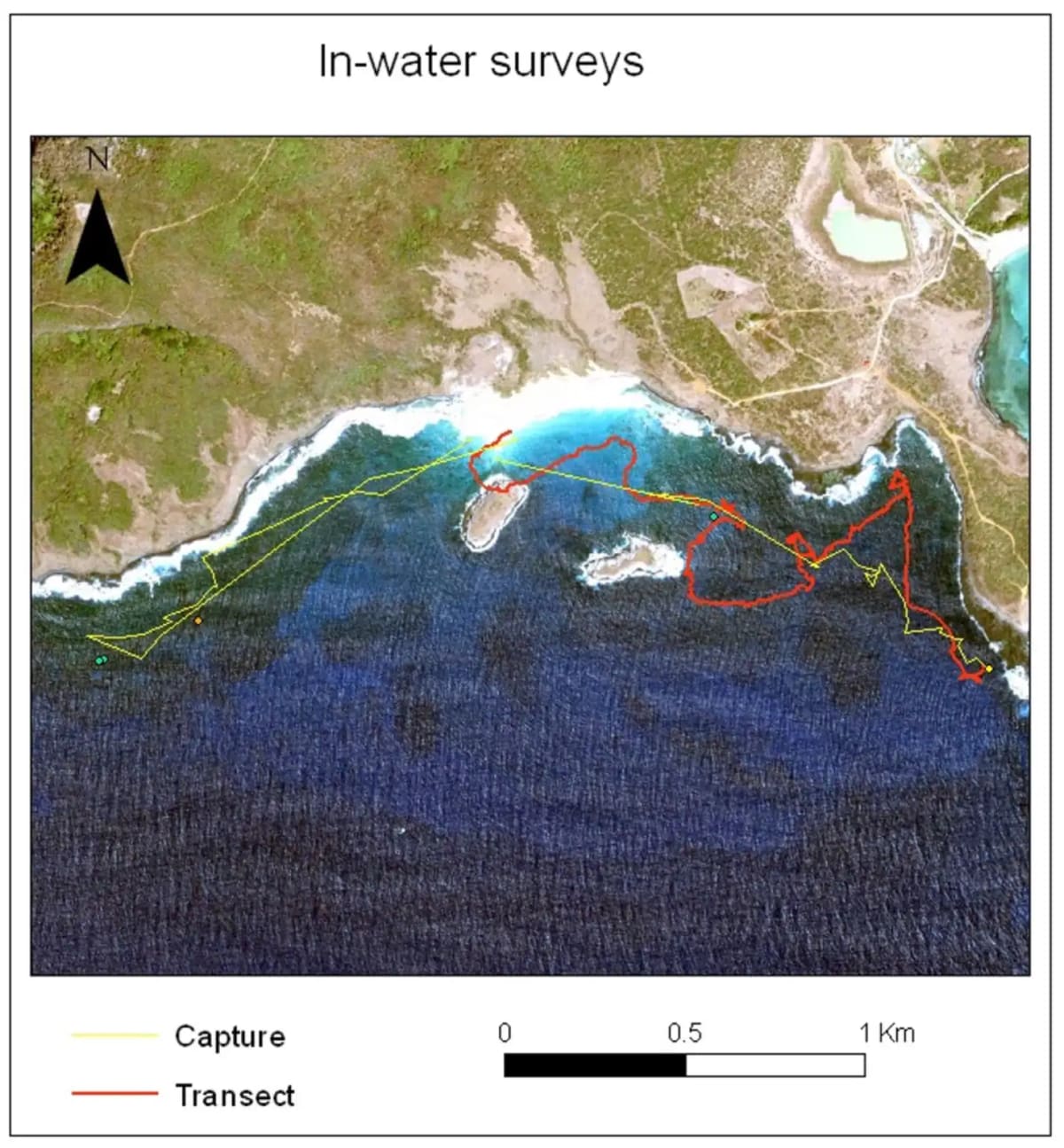
Researchers tracked the same group of adult male turtles off Brazil's coast from 2019 to 2022, using satellite tags to reveal secrets about their lives that scientists have struggled to uncover. Unlike females who return to beaches to nest, males rarely touch land after hatching, making them incredibly difficult to study.
The discoveries were remarkable. About 80% of tagged turtles traveled between 180 and 620 miles after breeding season to find food, while 20% stayed put year-round in their breeding areas.
"Many turtles undertook long-distance migrations, with some migrating for almost a month," said postdoctoral researcher Armando Barsante Santos. "Their sense of navigation is impressive."
The satellite tags tracked every dive the turtles made, revealing distinct behaviors between the two groups. Turtles that stayed local made frequent short dives during the day and longer ones at night. Migrating turtles showed more varied diving patterns, likely to avoid predators and conserve energy during their marathon journeys.
The Ripple Effect
This research arrives at a crucial time for sea turtle conservation. Rising ocean temperatures are creating more female hatchlings than males, disrupting population balance across species. Understanding male behavior helps scientists figure out how many males a healthy population needs to survive these environmental shifts.
The findings also create a roadmap for protecting these ancient mariners. By identifying migration corridors and high-density turtle zones, conservationists can better align marine protected areas with where turtles actually live and travel.
"Assessing the overlap between key habitats and human-made threats is crucial for redefining conservation strategies," said Professor Mariana Fuentes, who led the research team. Knowing how deep turtles dive and where they swim helps experts understand their vulnerability to fishing gear and boat strikes at different ocean depths.
Brazil's waters already include marine protected areas covering more than a quarter of the country's coastline. This three-dimensional understanding of turtle behavior can make those protections even more effective, creating harmony between human ocean use and turtle survival.
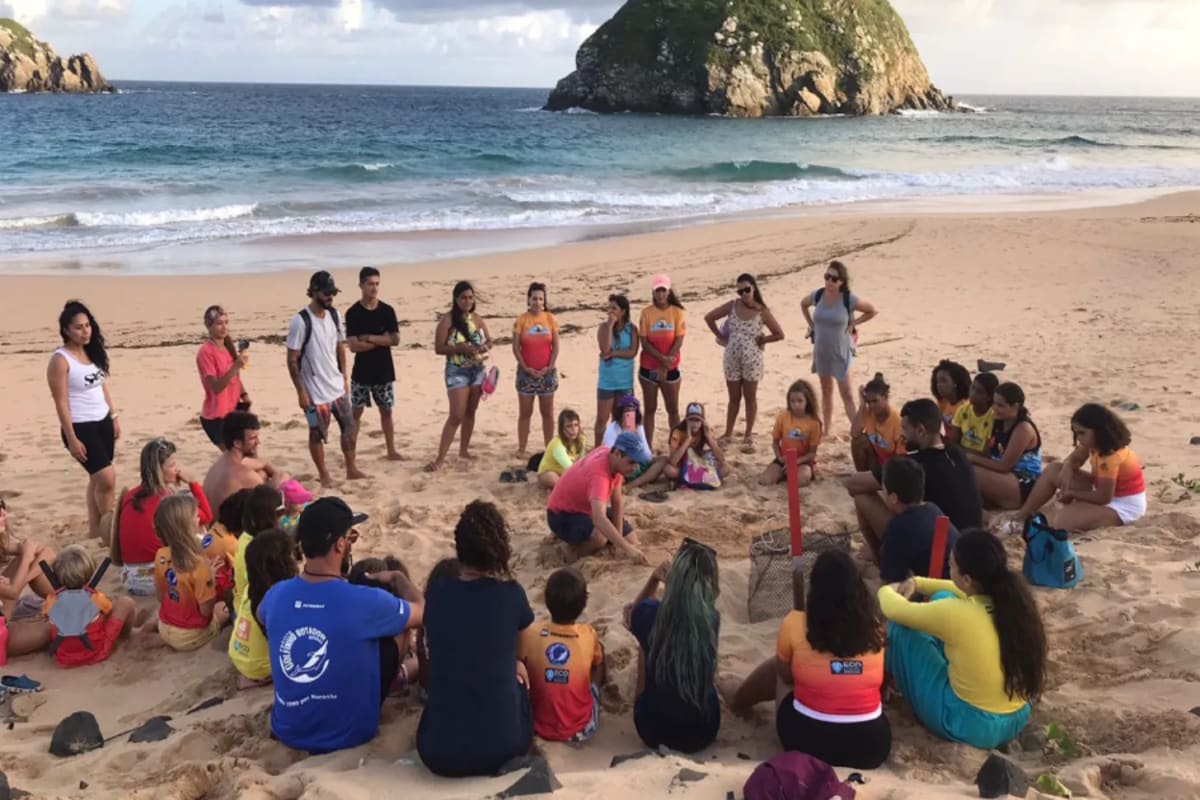
Local schoolchildren in Brazil helped name the turtles in the study, connecting the next generation to conservation efforts that will protect these ocean wanderers for decades to come.
More Images

Based on reporting by Good Good Good
This story was written by BrightWire based on verified news reports.
Spread the positivity!
Share this good news with someone who needs it