Animals Have Been Eating Nature's Bioplastic for Eons
Scientists just discovered that dozens of animal species can digest microbial bioplastics that have existed for hundreds of millions of years. This hidden talent could reshape how we understand nature's recycling systems and the future of sustainable materials.
A tiny gutless worm just rewrote what scientists thought they knew about biodegradable plastics in nature.
Researchers at the Max Planck Institute for Marine Microbiology discovered that animals across the planet possess enzymes that can break down natural bioplastics called PHAs. For years, scientists believed only microorganisms could digest these compounds.
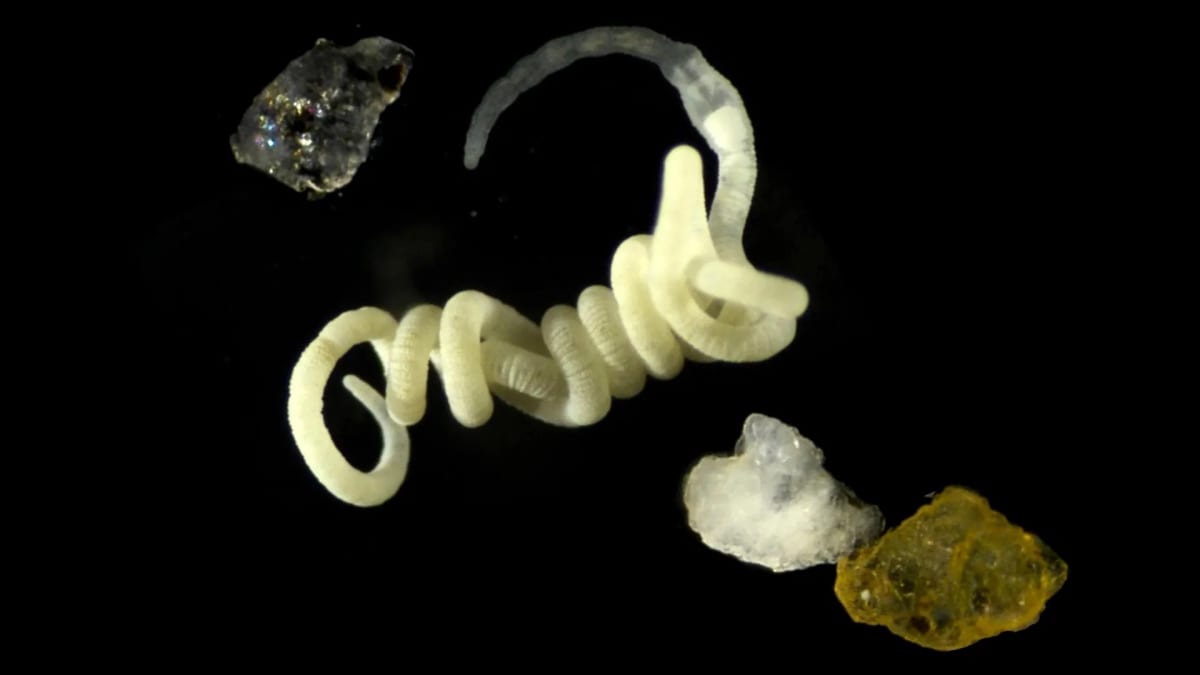
The breakthrough started with Olavius algarvensis, a two-centimeter marine worm with no mouth or digestive system. This unusual creature survives by digesting bacteria that live beneath its skin, and those bacteria store massive amounts of carbon in the form of PHAs.
"We wondered whether the worm had evolved a way to access this rich energy reserve," says Nicole Dubilier, who led the research team. The answer turned out to be yes, and it opened a door to something far bigger.
When researchers looked at other animal genomes, they found the same ability in 66 different species across nine major animal groups. Sponges, earthworms, starfish, and springtails all carried similar enzymes that could digest these natural plastics.
Lab tests confirmed what the genetic evidence suggested. Animals separated by hundreds of millions of years of evolution shared this remarkable digestive talent.
PHAs are nature's original biodegradable plastic. Bacteria and archaea produce these compounds when they have excess carbon, storing them as energy reserves for lean times. These same materials are now being manufactured as sustainable alternatives to conventional plastics.
Companies use bacteria-filled fermentation tanks to create PHAs for food packaging, medical sutures, and agricultural fertilizers. These products break down naturally without leaving harmful residues behind.
The discovery suggests that animals may play an unexpected role in breaking down both natural PHAs in the environment and potentially human-made versions too. This creates a previously unknown pathway for carbon to move from microbes into animal food webs.
Why This Inspires
This research reveals that nature has been quietly solving the plastic problem for eons. While humans are just beginning to develop truly biodegradable materials, the natural world has been producing and recycling them since long before the first plastic factory opened.
The finding also hints at unexpected partnerships between different forms of life. That gutless worm depends entirely on its bacterial partners, which in turn provide stored energy in a form the worm has evolved to harvest.
As global production of bio-based materials grows in coming years, understanding these natural systems becomes more important. Nature has already field-tested biodegradable plastics across millions of years and countless ecosystems.
The answers to our newest environmental challenges might be written in the genes of creatures we've barely begun to study.
Based on reporting by Science Daily
This story was written by BrightWire based on verified news reports.
Spread the positivity!
Share this good news with someone who needs it