Second Twin Mountain Gorillas Born in Congo This Year
Mountain gorilla twins have been born twice in three months at Congo's Virunga National Park, an extraordinarily rare event that signals conservation success. The newest pair joins just 1,050 of these endangered apes remaining in the wild.
A remarkable event is unfolding in the mountains of the Democratic Republic of Congo, where nature is delivering double the hope for one of our planet's most endangered species.
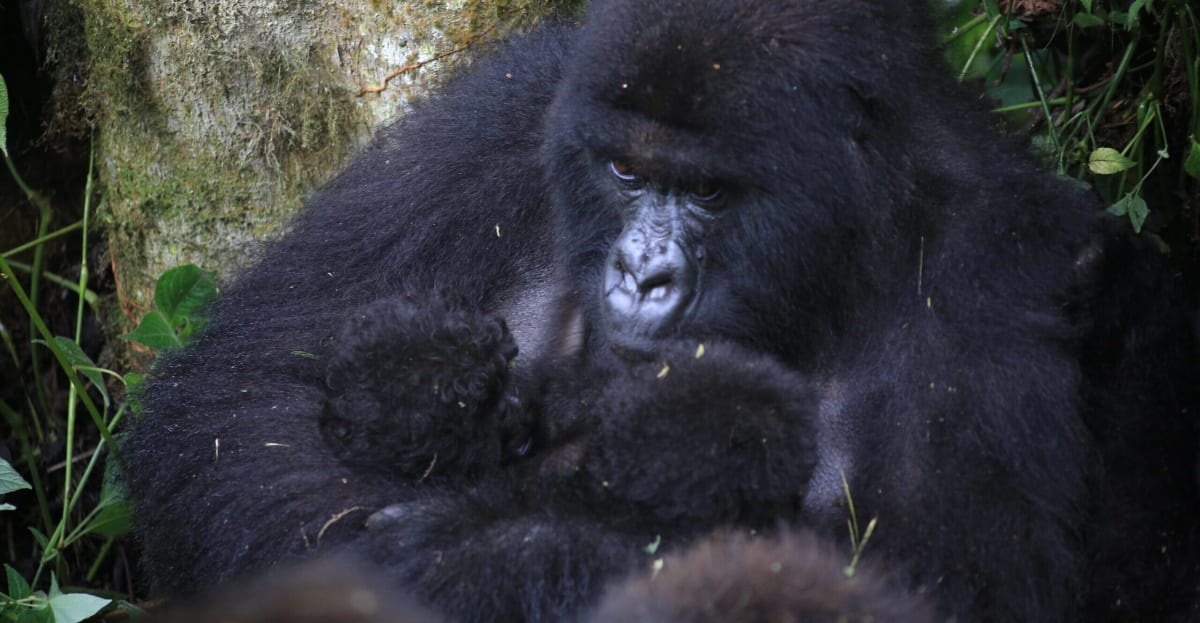
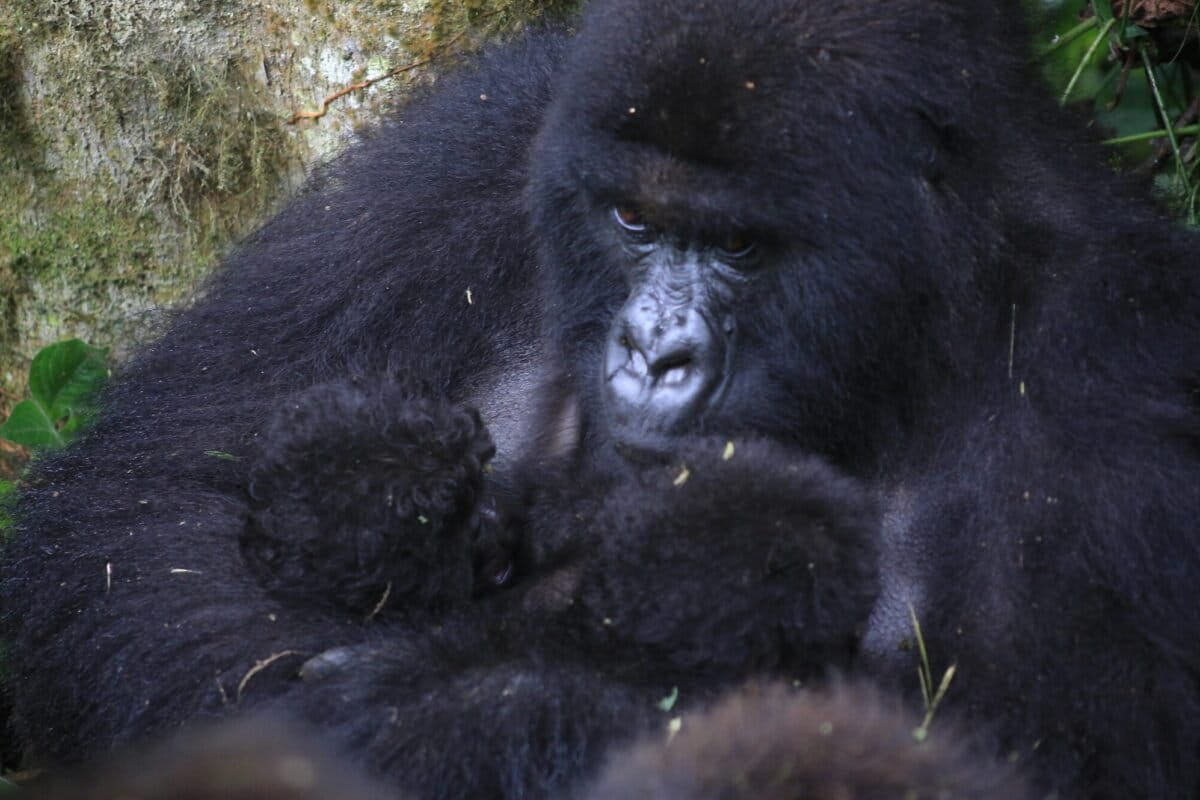
Virunga National Park just welcomed its second set of mountain gorilla twins in three months. The newest arrivals, believed to be a male and female, were born into the Baraka family and are now about two weeks old.
Their birth follows another set of twins born in January to the Bageni family, who are now thriving at 11 weeks old. Twin births among mountain gorillas happen in less than 1% of cases, making back-to-back arrivals within a single season truly exceptional.
"Two instances of twin births within three months is an extraordinary event," says Jacques Katutu, Virunga's head of gorilla monitoring. The births mark the seventh gorilla arrival recorded at the park this year, bringing the Baraka family to 19 members.
These twins matter beyond their adorable factor. Only around 1,050 mountain gorillas remain in the wild today, making every birth critical to the subspecies' survival.
The births also reflect years of dedicated conservation work paying off. Between 2010 and 2016, mountain gorilla populations grew by 3% annually thanks to the tireless efforts of Congo's park rangers.
Why This Inspires
What makes these births even more meaningful is the context. Virunga sits in a region facing ongoing conflict and instability, including recent fighting near the city of Goma.
Yet rangers have continued their protection work despite reduced patrols in some areas. When field teams discovered a young gorilla named Fazili caught in a poacher's trap, they freed him, demonstrating their unwavering commitment.
The social bonds within gorilla families also offer inspiration. Field teams have observed a young male staying close to the January twins' mother, helping protect the newborns like an attentive uncle.
Park director Emmanuel de Merode credits the population's recovery to "an enormous effort on the part of Congo's rangers." These are people risking their lives daily to protect wildlife in one of Africa's most challenging environments.
Field teams will closely monitor both sets of twins during their critical early months, when survival risks remain highest. For now, the Baraka family is adjusting to their newest members, and conservationists worldwide are celebrating this double dose of hope for a species fighting its way back from the brink.
More Images
Based on reporting by Mongabay
This story was written by BrightWire based on verified news reports.
Spread the positivity!
Share this good news with someone who needs it