Second Wild Jaguar Cub Born in Argentina Park
Camera traps in El Impenetrable National Park captured images of a second wild jaguar cub, proving two females are successfully raising young in the restored habitat. The discovery marks a major milestone for the critically endangered species that nearly vanished from Argentina.
Two jaguar cubs now prowl the forests of El Impenetrable National Park in Argentina, and conservationists can barely contain their excitement.
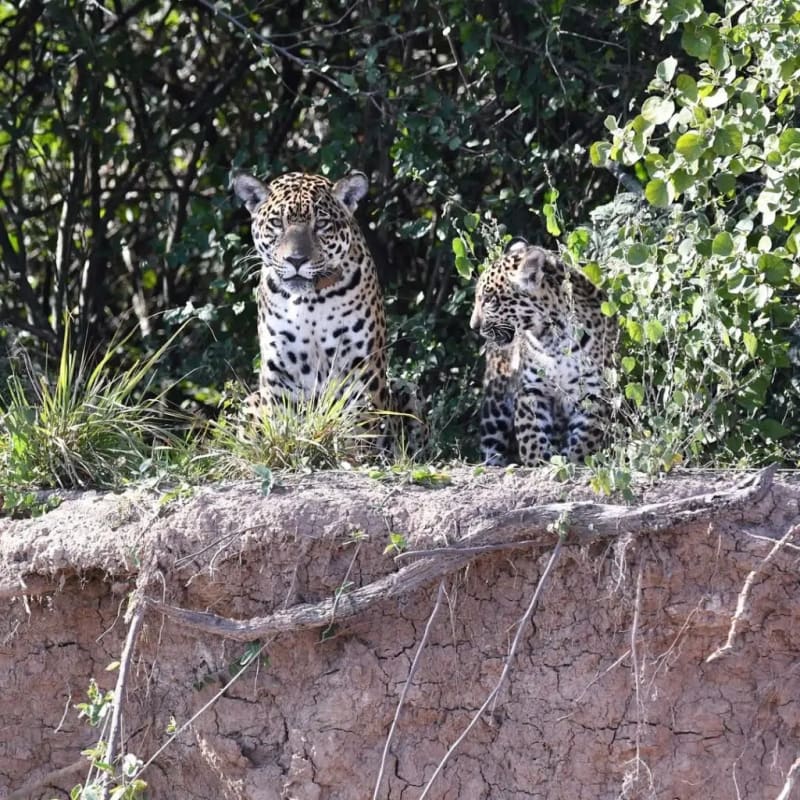
The Rewilding Argentina Foundation confirmed that camera traps captured images of a second wild cub, this one belonging to a female named Keraná. Researchers initially thought earlier footage showed just one cub, but a close look at the tail proved otherwise. The first cub, spotted with mother Nalá, has part of its tail missing, while Keraná's young one sports a perfectly intact tail.
This discovery doubles the hope for jaguars in the Argentine Chaco. The first documented birth happened in August 2024 when local guides spotted Nalá with her cub along the Bermejo River, a moment that made conservation history. Now, just over a year later, automatic cameras have confirmed that two separate females are successfully raising cubs in the wild.
Jaguars once roamed across much of Argentina, but habitat loss and poaching drove them to the brink of disappearance. El Impenetrable National Park has become their lifeline, offering protected forest where the Americas' largest feline can hunt, mate, and raise families without threat. The park's name means "The Impenetrable" in Spanish, a fitting sanctuary for species that need space to thrive.
The conservation program combines controlled releases of jaguars with ongoing health monitoring and ecosystem preservation. Rangers work alongside local communities to reduce conflicts between wildlife and people, creating conditions where jaguars and humans can coexist. Each camera trap placement, each health check, and each community meeting contributes to bringing these magnificent cats back from the edge.
The Ripple Effect
These two births prove the ecosystem works. When apex predators like jaguars successfully reproduce, it signals that prey populations are healthy, forests are intact, and the entire food web functions properly. The cubs represent more than just population numbers. They show that years of restoration efforts are paying off in the most tangible way possible.
Verónica Mazzaroli, president of the Tourism Institute, called the new records "an encouraging sign for jaguar conservation that renews hope for the future of the species in the region." Her words capture what conservationists across Argentina feel watching these cubs grow.
The camera traps will keep rolling, capturing every paw print and hunting lesson as these young jaguars mature into the next generation of wild felines in the Chaco.
More Images
Based on reporting by Google News - Endangered Species Recovery
This story was written by BrightWire based on verified news reports.
Spread the positivity!
Share this good news with someone who needs it