Self-Driving Cars Push Safety Standards Into New Era
Reclining in a robotaxi sounds relaxing, but safety researchers are racing to update crash testing for autonomous vehicles where passengers no longer need to sit like drivers. The push could modernize vehicle safety rules for everyone.
The rise of self-driving cars is forcing safety experts to rethink how we protect passengers in crashes, and the changes could make all vehicles safer.
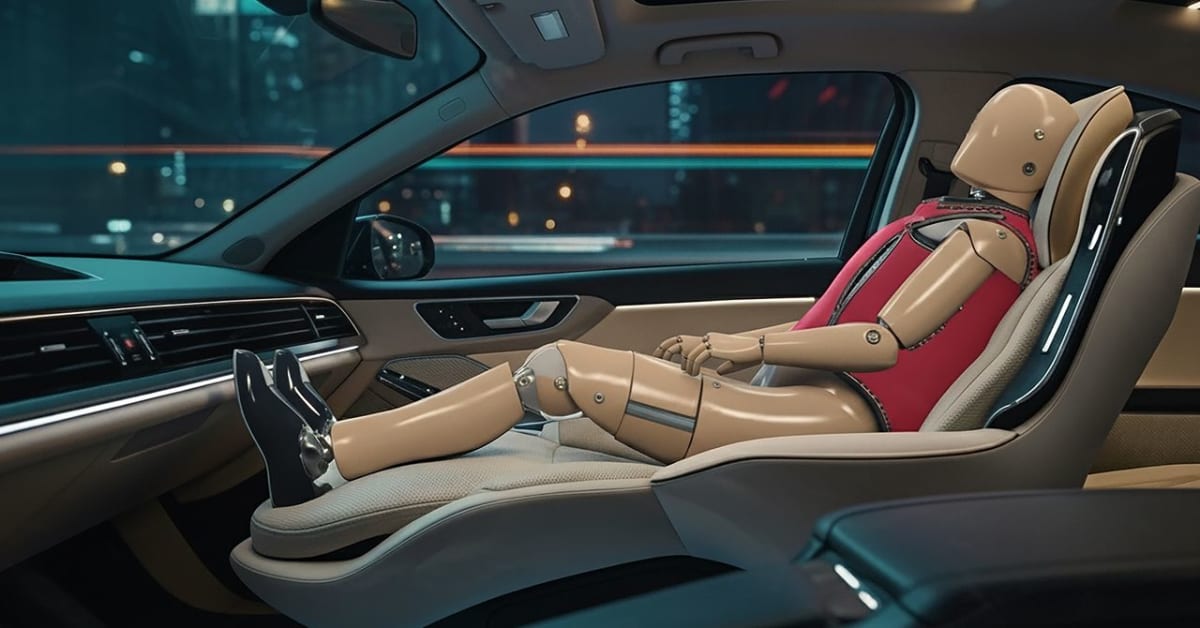
Tesla's new Cybercab robotaxi has no steering wheel or pedals, which means riders can recline, work, or even nap during their journey. But there's a catch: sitting in relaxed positions makes car crashes far more dangerous, even with seatbelts fastened.
Federal data shows 42 people died in the past decade while riding with reclined seats. That number is likely much higher because crash investigators rarely record how victims were sitting before impact.
Here's the problem: all current safety standards assume passengers sit upright with seatbelts across their hips. When someone reclines or sits sideways, the seatbelt tightens around the soft belly instead of the hard pelvis during a crash, causing internal bleeding, spine injuries, and serious damage to legs and feet.
Crash test dummies can't even slouch because they have inflexible pelvises. The entire testing system was built for a world where everyone faces forward and sits up straight.
Now the National Highway Traffic Safety Administration is finally taking action. The agency told Congress it's studying how different sized people respond to crashes while reclined or facing different directions.
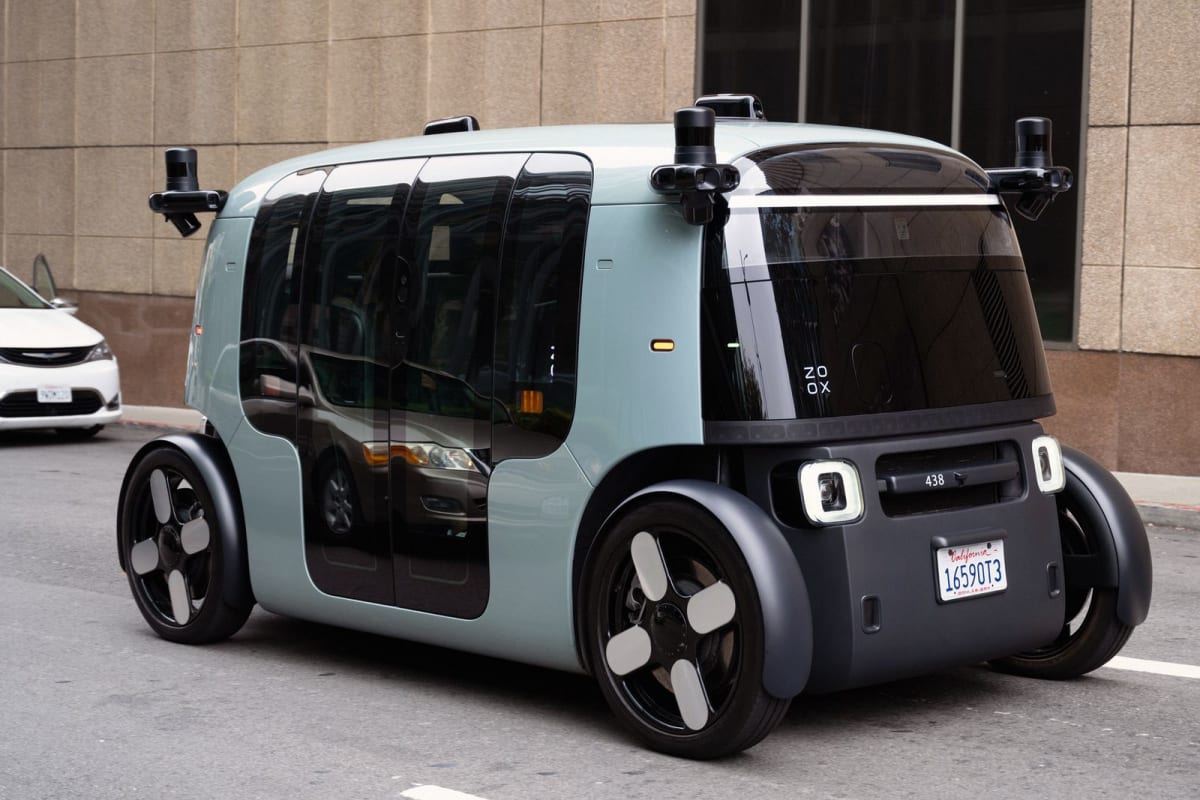
Companies like Zoox, which makes a toaster-shaped robotaxi with face-to-face bench seating, spent months getting special approval to deploy 5,000 vehicles. Tesla is trying to self-certify its Cybercab meets safety standards, but regulators are investigating.
The Ripple Effect
Safety researcher Becky Mueller from the Insurance Institute for Highway Safety sees a silver lining in all this. Autonomous vehicles are forcing regulators to open up outdated rules that have needed updating for years.
The changes won't just help robotaxi passengers. Millions of people already recline seats, sit sideways to talk with passengers, or let kids play in unconventional positions during long road trips. Better crash testing and safety standards could protect all of them.
Researchers are developing advanced crash test dummies that can be tested in the relaxed positions people actually use in cars. New seatbelt designs and airbag configurations are being studied to protect passengers no matter how they're sitting.
What started as a challenge for self-driving car companies is becoming an opportunity to make decades-old safety standards work better for how people really ride in vehicles. Sometimes it takes new technology to fix old problems we should have addressed long ago.
More Images



Based on reporting by Wired
This story was written by BrightWire based on verified news reports.
Spread the positivity!
Share this good news with someone who needs it