Senators Save Ocean Sensors From Shutdown
After the Trump administration tried to dismantle crucial ocean monitoring equipment, bipartisan senators stepped in and saved the program. It's a win for climate science, but other ocean research efforts still need help.
A network of ocean sensors that helps scientists track climate change almost disappeared into the waves, but lawmakers from both parties threw it a lifeline just in time.
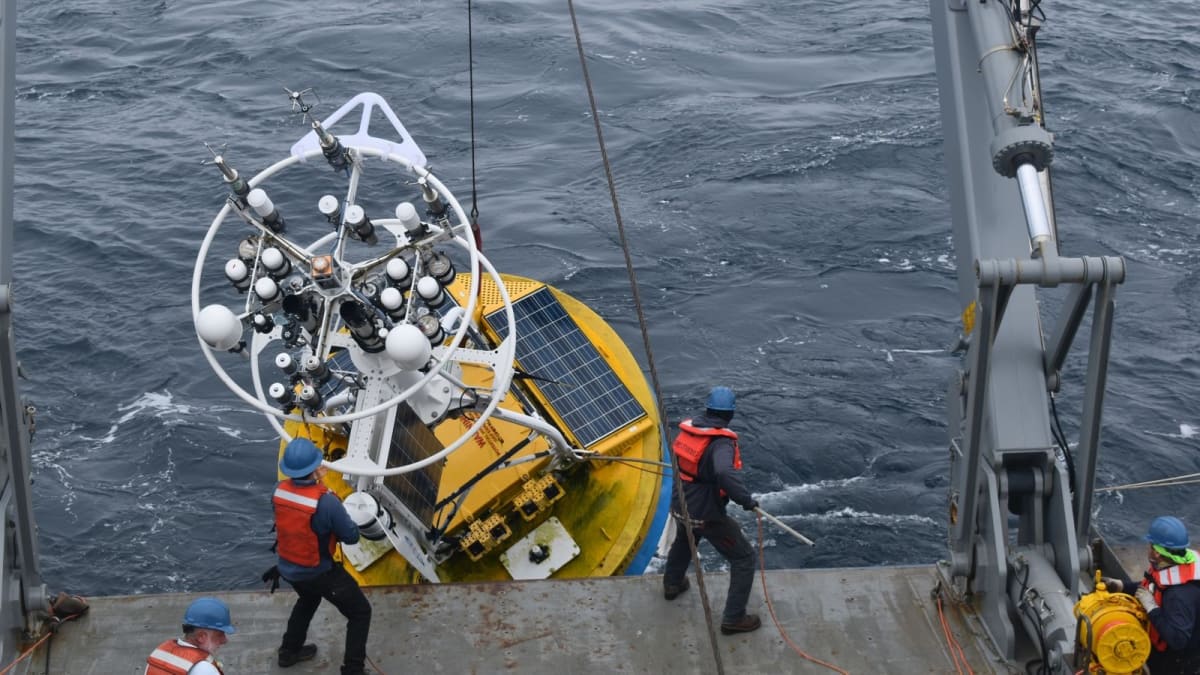
The National Science Foundation planned to pull hundreds of scientific instruments from Pacific Northwest waters, the North Carolina coast, and the Irminger Sea south of Greenland. The move would have dismantled the Ocean Observatories Initiative, a multimillion dollar program studying ocean dynamics and climate change.
Then Democratic Senator Jeff Merkley of Oregon and Republican Senator Lisa Murkowski of Alaska teamed up to stop it. Their bipartisan measure blocked the agency from removing the sensors, and the NSF agreed to reinstall equipment it had already taken out.
Senator Merkley called the attempted dismantling "supreme stupidity" in a statement. "We'll keep fighting to ensure scientists, fishermen, and coastal communities can continue to utilize the critical data the OOI provides," he said.
This marks the third time lawmakers have protected the Ocean Observatories Initiative from budget cuts since 2025. The program, which launched in 2016, now has funding secured for at least another decade.
The rescue isn't an isolated victory. Lawmakers have quietly preserved funding for scientific research across multiple agencies and saved environmental programs like Energy Star, which helps people buy energy efficient appliances.
The Bright Side
The bipartisan cooperation shows that support for climate research crosses party lines when communities understand what's at stake. Senators recognized that ocean sensors aren't just abstract science equipment. They provide data that helps fishermen plan their catch, protects coastal towns from extreme weather, and tracks changes that affect everyone.
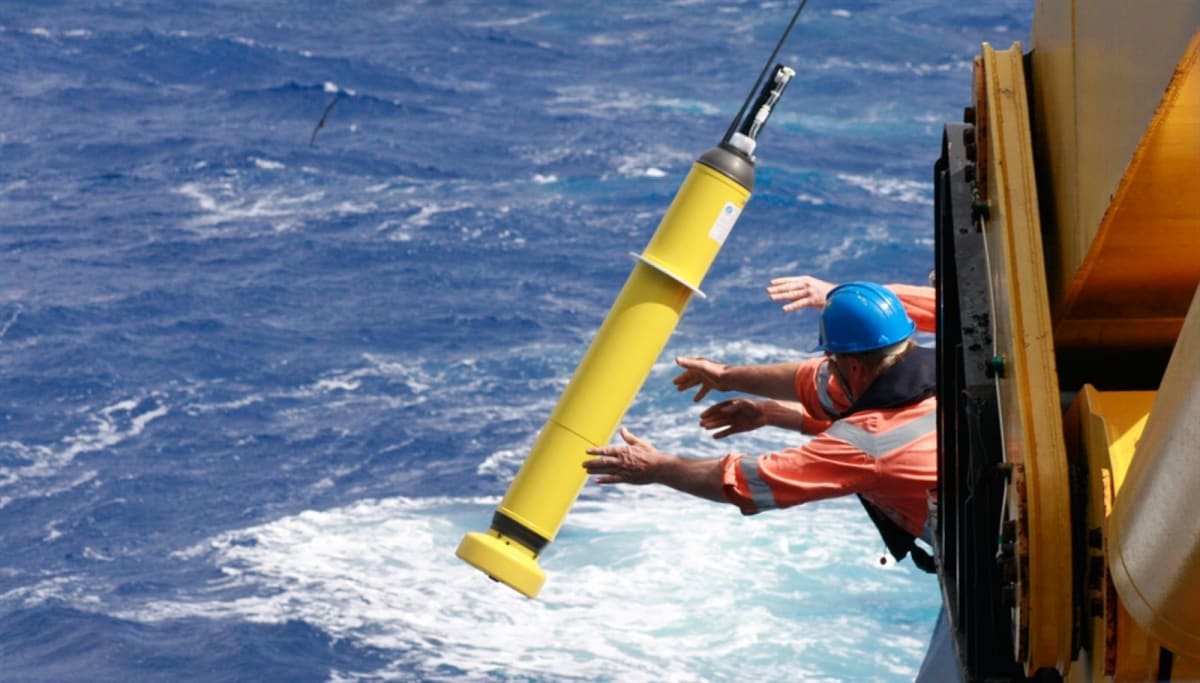
The Ocean Observatories Initiative's survival also bought time for researchers working on other threatened programs. Scientists leading the Argo program, which deploys thousands of underwater floats to measure ocean temperature, salinity, and health, face their own funding cliff with no clear solution.
Lynne Talley, a professor at the Scripps Institution of Oceanography, warned that Argo could "go dark" without new funding. The program has provided scientists with 25 years of unprecedented ocean data that helps track climate change impacts.
These ocean monitoring networks work together like pieces of a puzzle. When one program loses funding, scientists lose crucial context for understanding how our oceans are changing and what that means for weather patterns, sea levels, and marine life.
The senators' quick action to save the Ocean Observatories Initiative proves that when researchers, communities, and lawmakers work together, critical climate science can survive even in tough budget environments.
More Images


Based on reporting by Grist
This story was written by BrightWire based on verified news reports.
Spread the positivity!
Share this good news with someone who needs it