Senegal's Solar EV Startup Cuts Free From Oil Prices
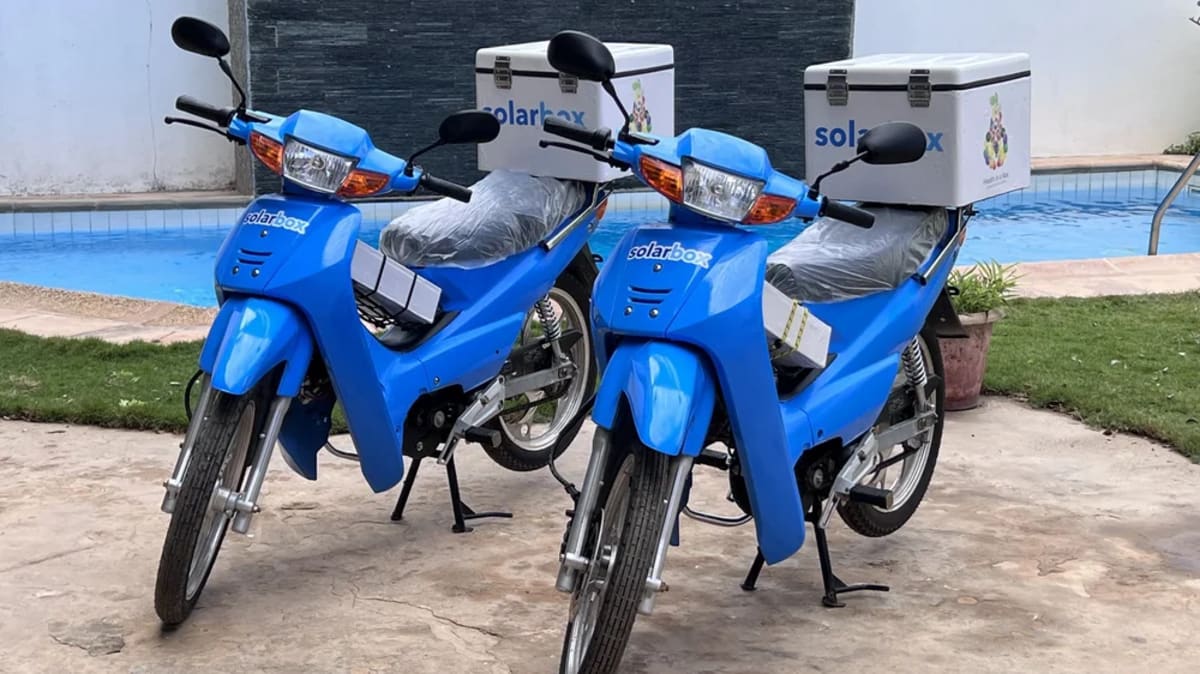
A Senegalese startup is powering electric vehicles with sunshine instead of waiting for the grid to catch up. Solarbox's solar-charged bikes, tricycles, and trucks offer transport companies freedom from global oil price swings.
While most electric vehicle companies wait for better power grids, one Senegalese startup decided to bring its own energy source along for the ride.
Solarbox is charging electric motorcycles, tricycles, and light trucks directly from solar power across Senegal. Founded in 2022 by Tijan Watt, the company isn't selling vehicles as much as selling freedom from fuel price volatility that hits African transport operators hardest.
The pitch is simple but powerful. When global oil prices spike, drivers using traditional fuel-powered vehicles lose money overnight. Solar energy costs stay local and stable, insulated from international commodity markets and geopolitical shocks.
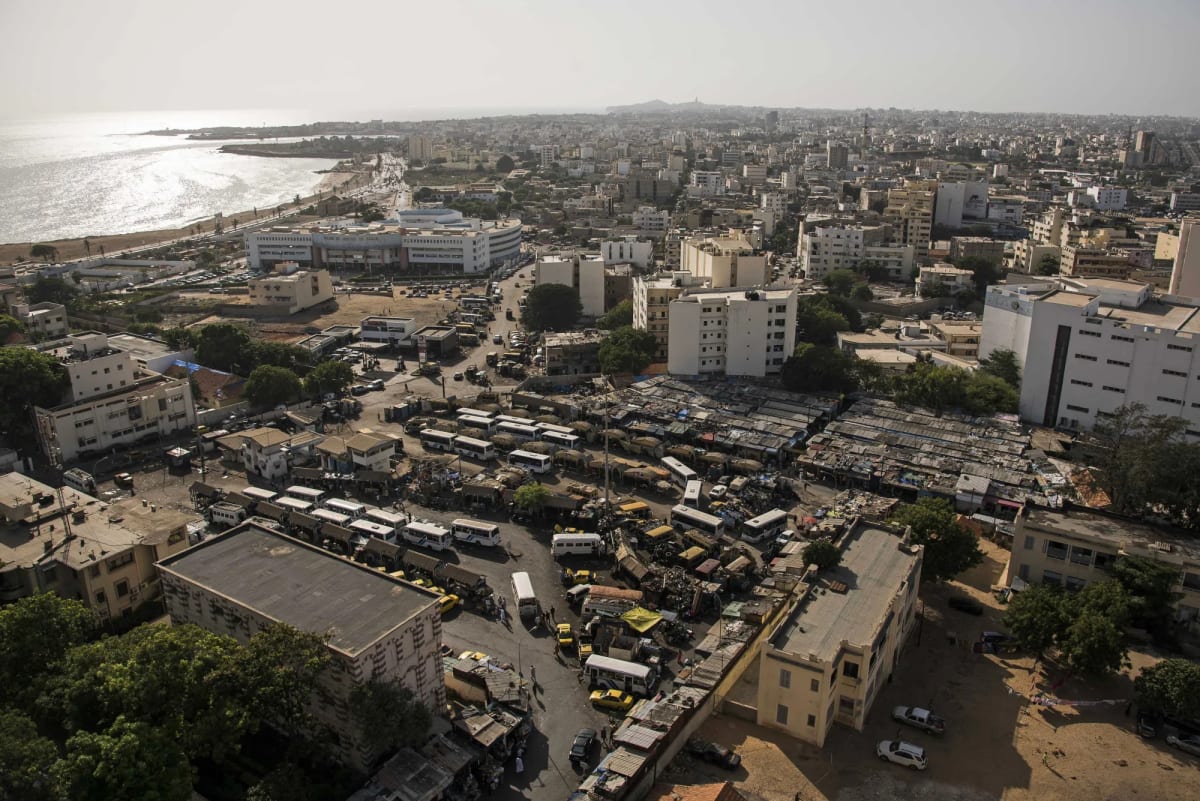
Senegal ranks among the world's top ten countries for solar production potential, yet in 2024 still generated 65% of its electricity from petroleum products. Watt sees this gap as opportunity, not obstacle.
The approach mirrors Ethiopia's electric vehicle success story. That country increased EV adoption from under 1% to 8.3% in just two years, powered largely by abundant, cheap hydroelectricity. The lesson: affordable domestic energy accelerates electric mobility when the infrastructure supports it.
Solarbox raised $1 million in 2024 from investors including the French Development Agency-backed Digital Energy Facility, Launch Africa Ventures, and Teranga Capital. The company started by serving corporate clients like DHL, FedEx, and Orange because managing organized fleets proved operationally simpler than scattered individual drivers.
Even Senegal's recent offshore oil and gas discoveries don't shake Watt's solar conviction. "The Senegal would remain exposed to international price volatility even with domestic production," he explains. "Global oil prices are set globally, not by producing countries."
The Ripple Effect
Solar-powered transport infrastructure could reshape West African economics beyond just moving goods and people. Countries across the region face similar challenges: expensive imported fuel, unreliable grids, and transport operators working on razor-thin margins.
By proving the model works in Senegal, Solarbox opens a path for neighbors throughout the West African Economic and Monetary Union. The startup is essentially building energy sovereignty one charged battery at a time, showing that African countries don't need to wait for perfect conditions to leapfrog into cleaner technology.
For transport operators, the math is straightforward. Fuel costs disappear, replaced by predictable solar charging. For countries, the geopolitical calculus shifts when energy doesn't require foreign currency or expose nations to the "baggage" that comes with oil wealth.
Solarbox proves that sometimes the best way forward isn't waiting for infrastructure to improve but building the infrastructure you need yourself.
More Images


Based on reporting by TechCabal
This story was written by BrightWire based on verified news reports.
Spread the positivity!
Share this good news with someone who needs it