Seoul Hospitals Turn Medical Research Into Healing Products
Major Korean hospitals are opening their research labs to partner with companies and startups, transforming clinical innovations into real healthcare products that help patients. At KHF 2026 this August, visitors will see how medical breakthroughs are making the journey from hospital labs to people's lives.
South Korea's leading hospitals are proving that the best medical innovations happen when doctors, researchers, and companies work together.
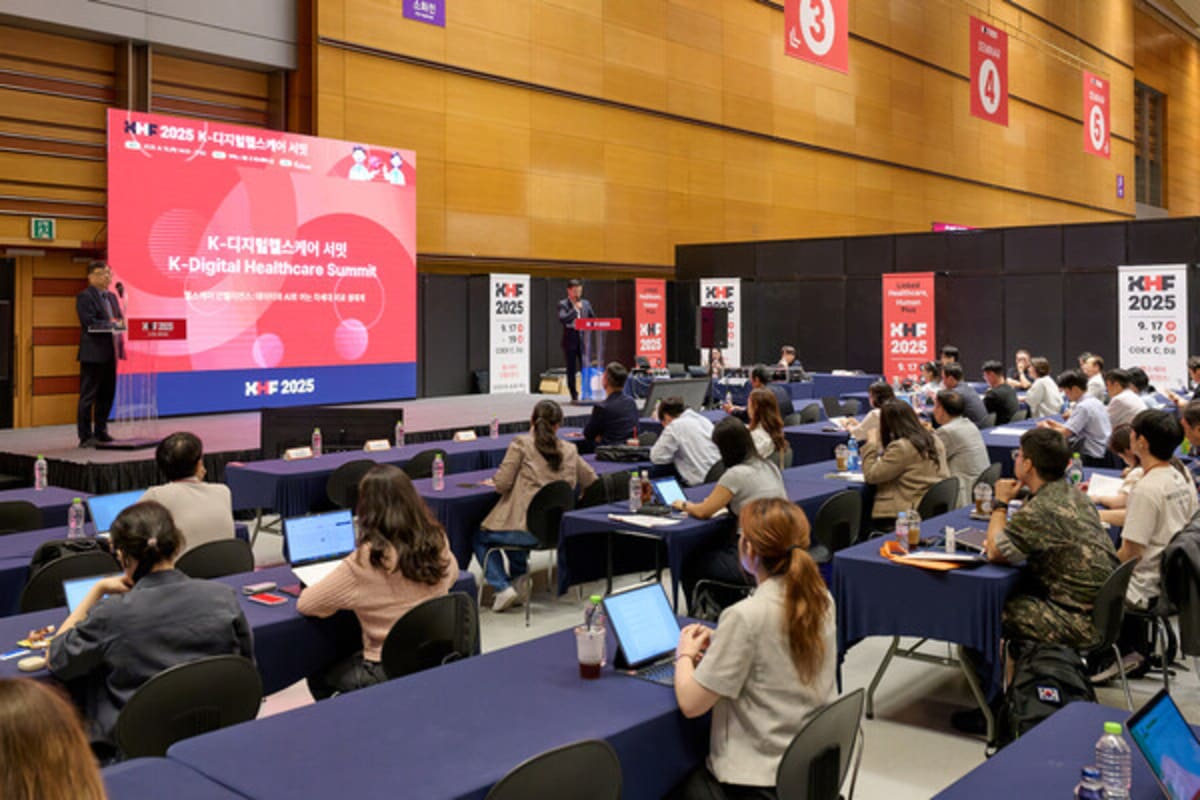
At the Korea International Hospital & Healthcare Exhibition in Seoul this August, major medical centers will showcase how they're turning everyday clinical insights into breakthrough healthcare technologies. The event runs August 19-21 at COEX and brings together hospitals, startups, and investors eager to bring healing innovations to patients faster.
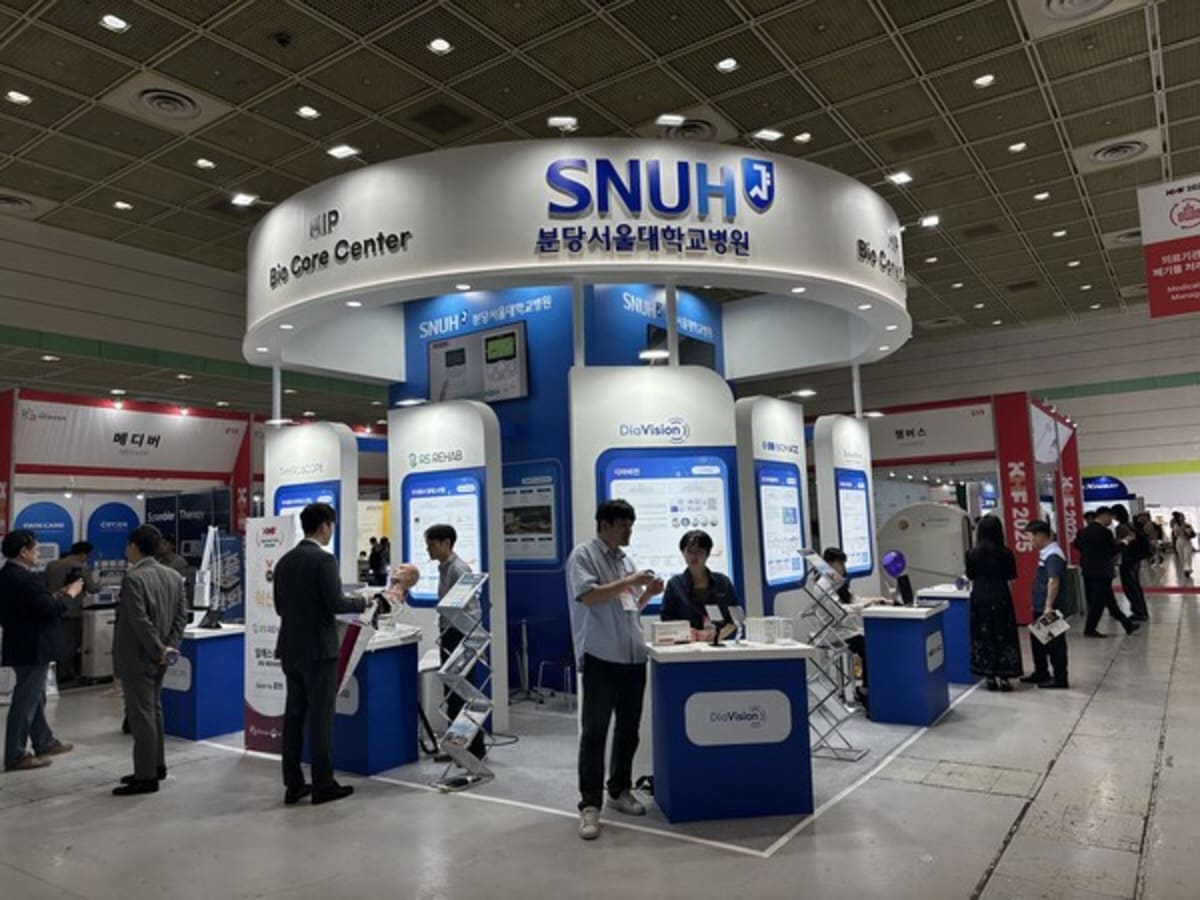
Seoul National University Bundang Hospital has created a complete pipeline that takes research from early concepts all the way to products people can buy. The hospital's Biocore Program pairs medical expertise with company resources, while also helping health tech startups get off the ground through dedicated incubation support.
Yonsei University Health System is tackling one of healthcare's biggest challenges: making medical data useful while protecting patient privacy. They're training the next generation of AI developers and showing how hospitals can safely share insights that lead to better treatments for everyone.
The Catholic Medical Center is bringing real hospital problems to their innovation lab and finding real solutions. Their first batch of prototypes includes a simple device that prevents patients from accidentally swallowing dental materials during procedures and a wearable monitor that tracks coughing patterns to help doctors treat respiratory conditions more effectively.
Beyond hospital walls, entire communities are getting involved. Seongnam City is bringing 10 local medical device companies to the exhibition, while Yonsei University's Mirae Campus will fill 12 booths with research projects that connect professors with industry partners.
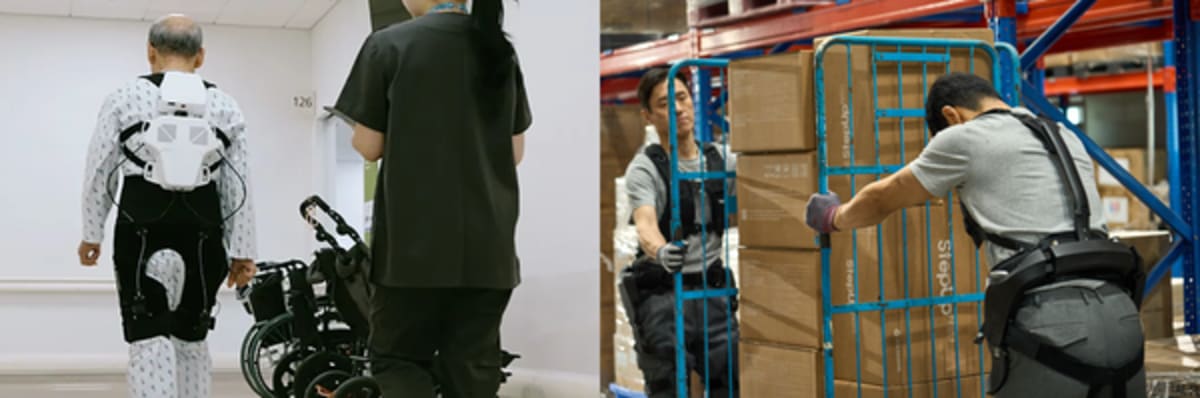
The exhibition will also feature wearable robotics that are changing lives right now. Hurotics will demonstrate H-Medi, a robotic rehabilitation suit helping stroke and spinal cord injury patients rebuild strength and independence. The device has won innovation awards three years running and already has both Korean and U.S. regulatory approval.
FRT Robotics is tackling a different problem with their StepUp NEO wearable robot. The device helps workers avoid back injuries during repetitive lifting and bending, the kind of everyday strain that leads to chronic pain and missed workdays.
The Ripple Effect
What makes this exhibition special isn't just the technology on display. It's the collaborative spirit behind it. When hospitals open their research infrastructure and clinical expertise to outside partners, innovations move faster from idea to impact.
Ajou University Medical Center has now been certified as a research-driven hospital for three consecutive terms, proof that combining patient care with innovation creates better outcomes for everyone. Each successful collaboration creates a template other hospitals can follow.
The model is spreading beyond major medical centers too. Universities, local governments, and small biotech companies are all finding ways to contribute their unique strengths to solving healthcare challenges.
These partnerships mean breakthrough treatments and helpful devices reach patients years sooner than traditional development timelines allow.
More Images

Based on reporting by Google: robotics innovation
This story was written by BrightWire based on verified news reports.
Spread the positivity!
Share this good news with someone who needs it