SF Trial Brings Researchers Closer to HIV Cure
A groundbreaking UCSF trial used three therapies to help immune systems hunt hidden HIV, showing unprecedented results. Ten volunteers endured painful treatments to advance science toward a cure for the disease that's infected 1.3 million people worldwide in 2024.
Tom Perrault screamed when doctors administered an electric shock to his arm, but he came back for more. The San Francisco resident is part of a medical trial that could change everything we know about treating HIV.
Researchers at UC San Francisco designed a study combining three different therapies to retrain the immune system to find and destroy HIV hiding in the body. Ten volunteers like Perrault endured treatments including electroporation, a procedure using electric currents to make cells more receptive to a DNA vaccine.
The study represents a major step forward in the search for an HIV cure. While modern antiretroviral therapy keeps the virus undetectable in most patients, it requires daily pills for life. That's a challenge for millions of people globally who struggle with access, affordability, or tolerating the medication.
Dr. Steven Deeks, the UCSF professor who led the study, says the goal is finding treatment that doesn't demand perfect adherence every single day. HIV remains a global health crisis, with nearly 39,000 new infections in the U.S. in 2023 and 630,000 deaths worldwide from HIV-related disease.
The virus is particularly insidious because it hides in cell DNA, evading the immune system for years before causing symptoms. Current treatments suppress the virus but can't eliminate these hidden reservoirs. That's what makes this trial so important.
Perrault, a former board chair for the San Francisco AIDS Foundation, says the temporary pain was worth it. After completing the treatments, he paused his HIV medication for the first time in years to see how well the therapy worked.
The Ripple Effect
This research builds on decades of progress since AIDS was first documented in 1981. Back then, diagnosis meant a death sentence within one to two years. San Francisco opened the country's first outpatient AIDS clinic in 1983, leading the way in care during a time when stigma and federal silence stalled research.
Today's antiretroviral therapy, developed in 1996, transformed HIV from a fatal diagnosis to a manageable chronic condition. People with undetectable viral loads cannot transmit the virus to others, a breakthrough known as "undetectable equals untransmittable."
But Deeks says that progress remains fragile and subject to political decisions. Recent federal funding cuts threaten programs for HIV prevention and treatment both domestically and abroad, making the search for a cure more urgent.
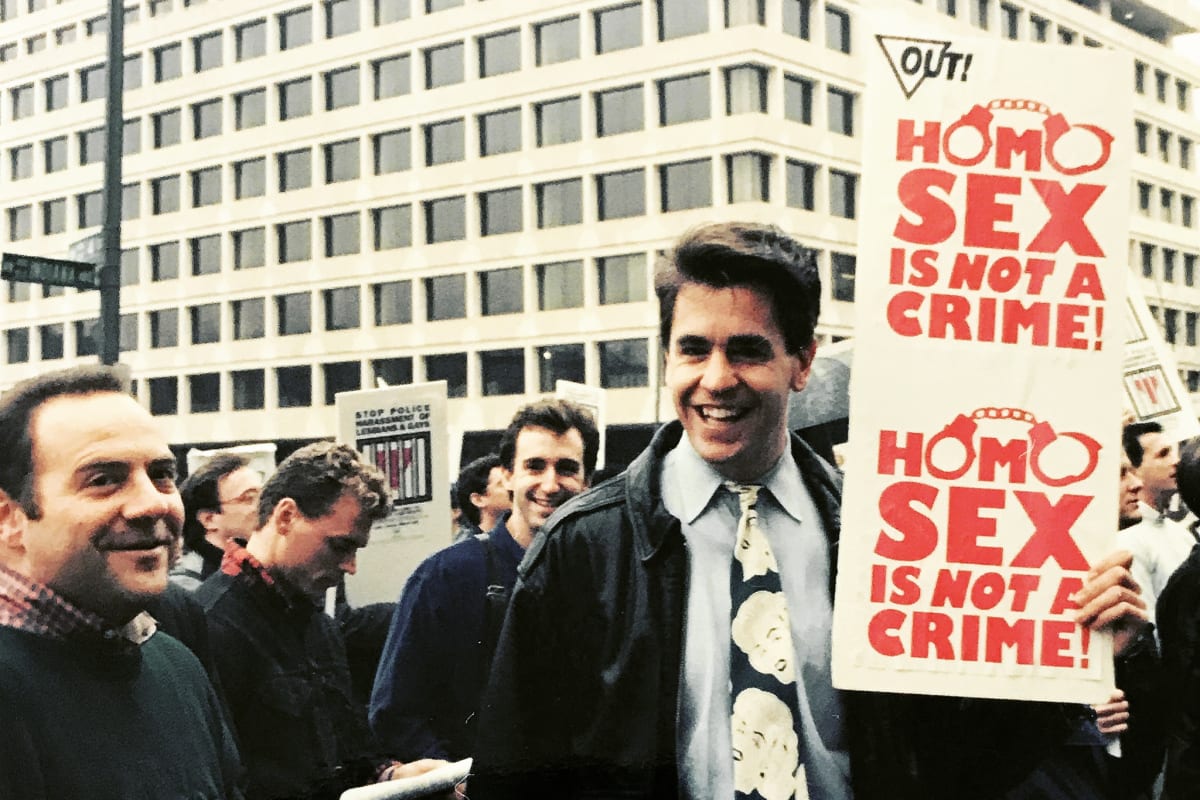
The volunteers in this trial understood they might not personally benefit from a cure, but they showed up anyway. Perrault remembers that gay men in the 1980s and early 1990s would have done anything for a chance at treatment. He's honored to advance the science that could one day make daily medication obsolete.
The unprecedented results from this small trial offer real hope that a functional cure could be within reach.
Based on reporting by Google News - Health
This story was written by BrightWire based on verified news reports.
Spread the positivity!
Share this good news with someone who needs it