Sharks Now Help Scientists Predict Hurricanes
Scientists are recruiting sharks as underwater weather reporters to improve hurricane forecasts. The ocean predators carry sensors that measure water temperature and salinity, giving coastal communities better warning about approaching storms.
Forget scary movie monsters. Sharks are stepping into a surprising new role as ocean scientists, helping protect coastal communities from dangerous hurricanes.
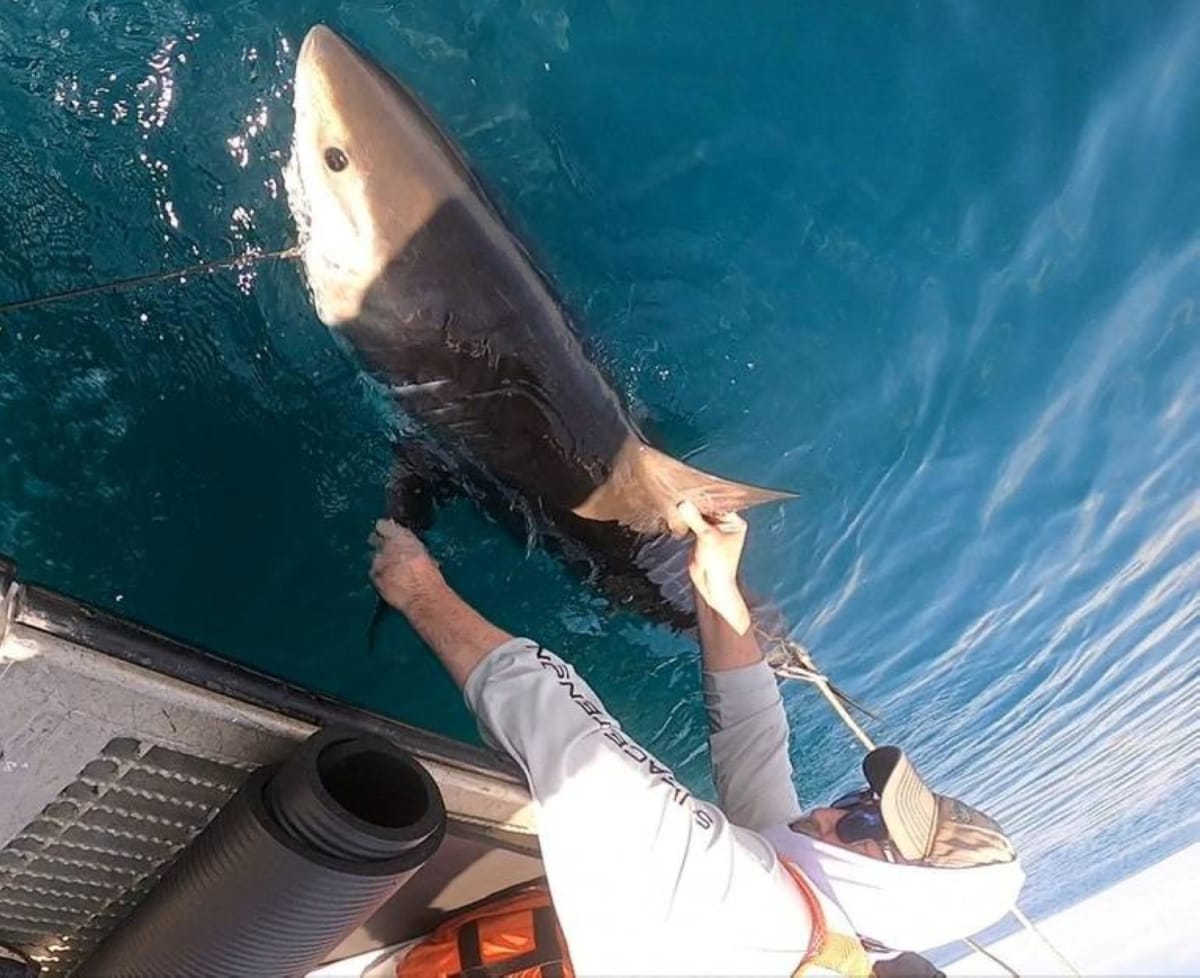
Researchers at the University of Delaware are attaching small electronic sensors to sharks swimming along the U.S. East Coast. These devices measure ocean temperature, salinity, and depth as the sharks go about their normal routines, hunting and traveling through waters that hold crucial clues about hurricane strength.
The science is surprisingly simple. Hurricanes feed on warm ocean water, particularly the top layer called the mixed layer. The warmer this water, the stronger a hurricane becomes before hitting land. But getting accurate measurements from these waters has always been challenging.
That's where sharks come in. Species like shortfin makos, blue sharks, smooth hammerheads, and young great whites are perfect candidates because they surface frequently and travel widely. Every time they swim near the surface, their sensors transmit data to satellites overhead.
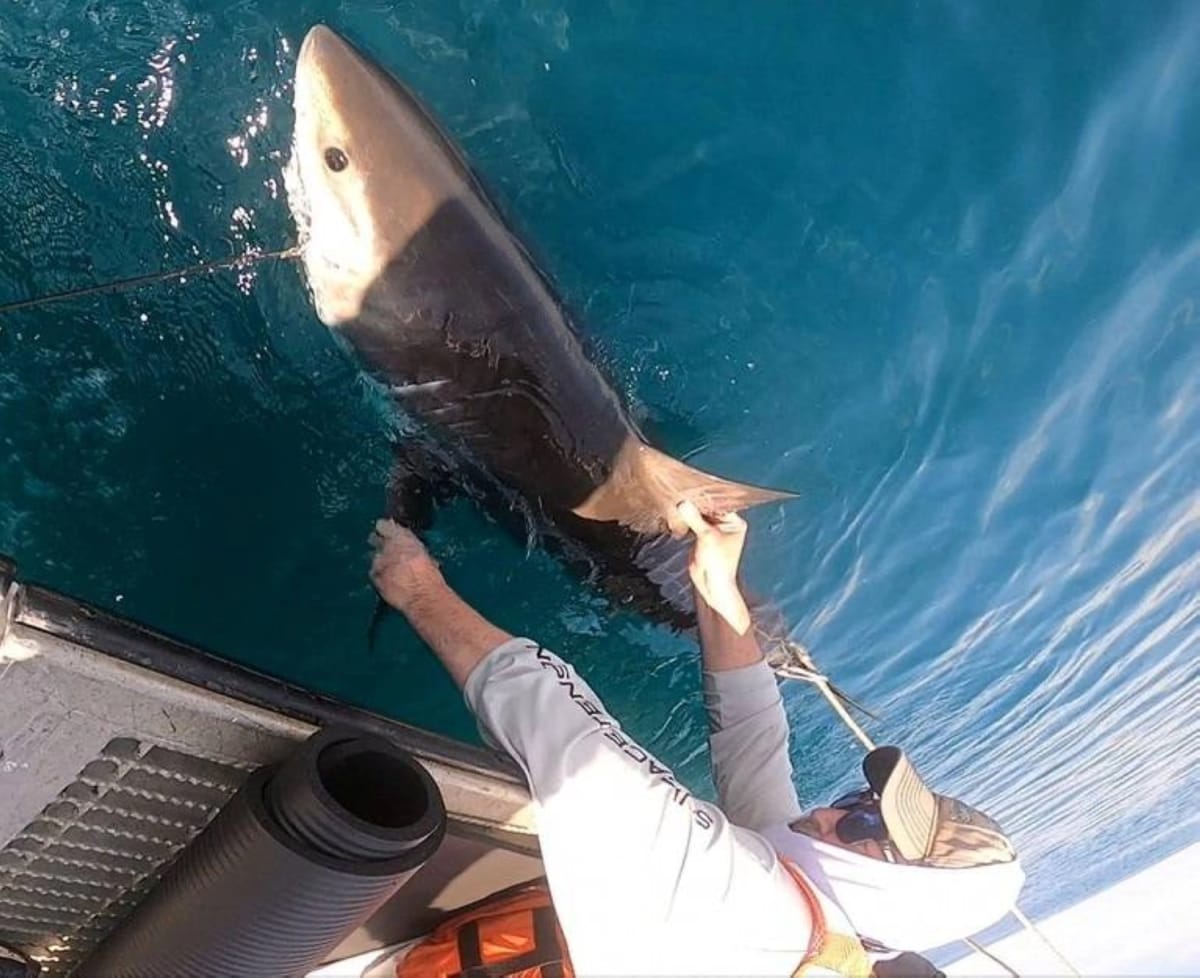
The tagging process happens each May when migratory sharks move closer to shore. Researchers travel about 50 kilometers offshore, deploy baited lines, and wait. When a shark takes the bait, the team works like a Formula One pit crew, attaching the sensor to the dorsal fin in under five minutes. The tags are designed to corrode and fall off naturally over time.
Doctoral candidate Caroline Wiernicki jokes that reality is nothing like the blockbuster movies. "It's more like Bob from Accounting, clocking in with the day's temperature profiles before he heads back out," she says.
The project carefully monitors shark welfare. Each animal gets a health check before release, and stressed sharks aren't tagged since they might not behave normally.
The Ripple Effect
This shark data could transform hurricane forecasting for millions of people living from North Carolina to Massachusetts. Better predictions about storm intensity give communities more reliable information to prepare and evacuate when necessary. As climate change makes hurricanes stronger, this early warning system becomes even more valuable.
The research also challenges outdated fears about sharks. Principal investigator Aaron Carlisle notes that most people only know sharks through frightening stereotypes, when in reality they're remarkably adapted creatures we can learn from.
Sharks have been gathering ocean data in polar regions for years, attached to elephant seals. But sharks are more abundant, widely distributed, and easier to access than protected marine mammals. Now they're expanding their resume beyond traditional tracking studies that only monitored their movements.
If sharks can help people stay safer during hurricane season, everyone wins.
More Images

Based on reporting by Japan Times
This story was written by BrightWire based on verified news reports.
Spread the positivity!
Share this good news with someone who needs it