Ship Tests Wind Turbines in Cargo Containers to Cut Emissions
A cargo ship crossing the North Atlantic is testing a clever new system that puts wind turbines inside shipping containers topped with solar panels. The hybrid setup could help thousands of existing ships cut fuel use without sacrificing precious cargo space.
A containership just became a floating clean energy lab, and the results could transform how cargo crosses our oceans.
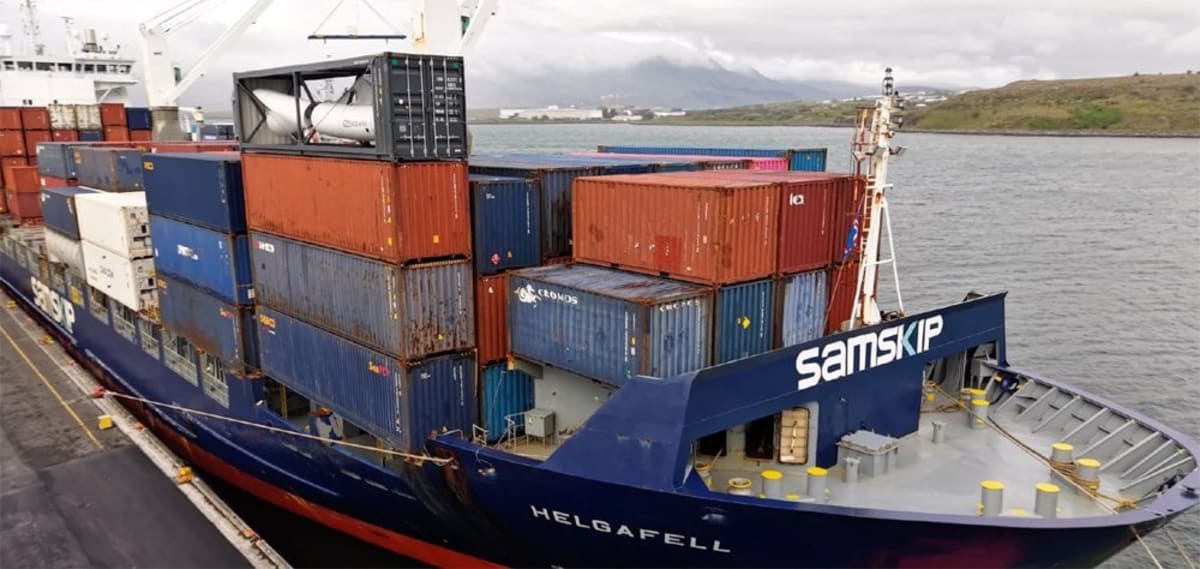
The Helgafell, a workhorse cargo vessel that hauls goods to Iceland through brutal North Atlantic weather, started testing an innovative hybrid power system in late August. Instead of traditional tall wind sails that eat up valuable deck space, engineers installed horizontal wind turbines inside modified shipping containers, with solar panels covering the tops.
The setup is brilliant in its simplicity. Cargo ships need every square foot of deck space for containers, making most wind power designs impractical. By housing the turbines inside standard container units, the system fits right into existing operations without major ship modifications.
The Helgafell completed its first test voyage to Iceland on August 24 and will run trials on four scheduled trips over the next three months. Real world data from these journeys will show how the system performs in actual shipping conditions, not just in controlled tests.
SideWind, the company behind the horizontal turbines, partnered with solar panel maker Solbian to create a true hybrid approach. When the wind dies down, solar panels keep generating power. When clouds roll in, the turbines take over. Together, they work to reduce the ship's reliance on polluting auxiliary engines.
The project is part of WHISPER, a European initiative bringing together 13 partners from six countries to tackle shipping emissions. The team is also testing a similar hybrid system on a dry bulk carrier using different technology.
The Ripple Effect
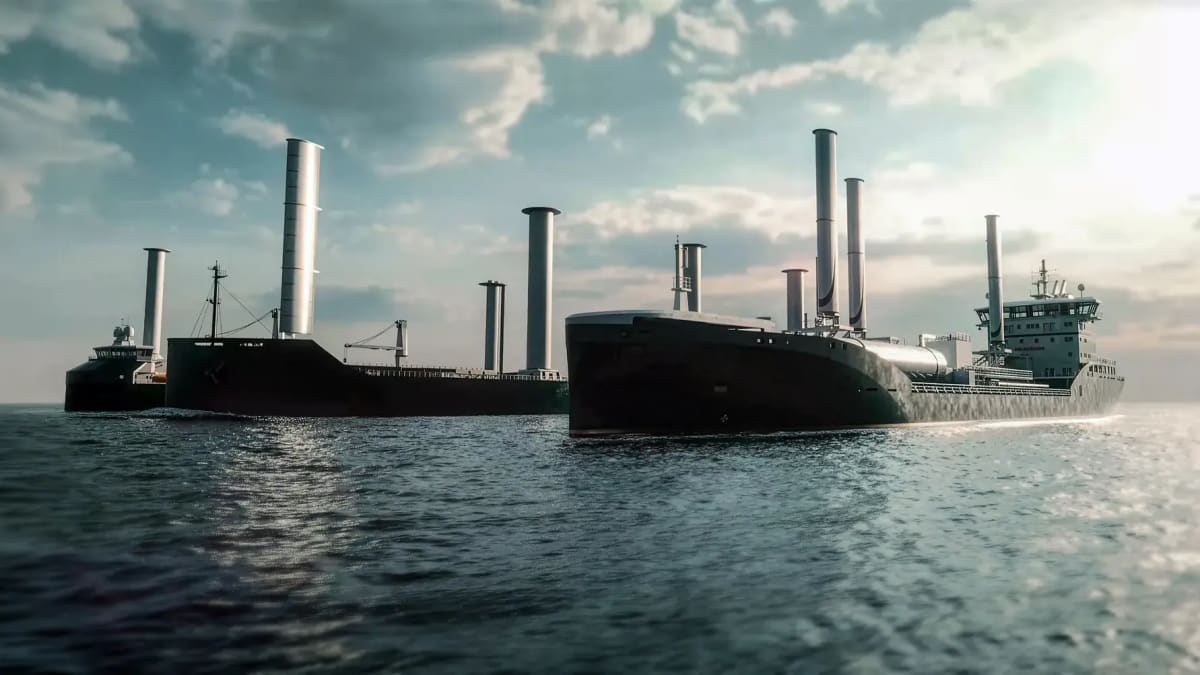
The timing couldn't be better. Shipping accounts for nearly 3% of global carbon emissions, and most of the world's 50,000 cargo ships were built before climate concerns shaped design. Retrofitting existing vessels is far faster and cheaper than waiting for fleets to turn over naturally.
Early projections suggest the technology could deliver fuel savings up to 15% on containerships and around 30% on bulk carriers. Those numbers might sound modest, but applied across thousands of vessels making countless trips each year, the impact multiplies quickly.
The modular design means ship owners don't need to commit to expensive redesigns or dry dock time. The containers can be loaded like regular cargo, connected to the ship's power system, and start working immediately. If the technology proves itself during these trials, scaling up could happen relatively fast.
The Helgafell will keep running its normal Iceland route throughout the testing period, proving that sustainability upgrades don't have to disrupt the reliable service that keeps global trade moving.
Based on reporting by Google News - Wind Energy
This story was written by BrightWire based on verified news reports.
Spread the positivity!
Share this good news with someone who needs it
_07_03_2026_03_50_21_133108.jpg)