Ships Get Carbon Capture Retrofit to Cut Emissions Now
The shipping industry is installing onboard carbon capture systems on existing vessels to slash emissions while waiting for clean fuel technology to scale. This retrofit solution helps one of the world's hardest industries to decarbonize meet climate targets years ahead of schedule. #
The shipping industry just got a practical new tool to fight climate change, and it doesn't require building a single new ship.
Onboard carbon capture and storage systems are now being retrofitted onto existing vessels, allowing the maritime sector to dramatically reduce emissions while the industry transitions to cleaner fuels. For an industry responsible for moving 90% of global trade and facing a net zero target by 2050, this technology offers immediate action rather than decades of waiting.
The challenge has always been timing. Ships typically stay in service for 20 to 30 years, and building new fleets powered by alternative fuels takes time and enormous investment. Meanwhile, International Maritime Organization regulations are tightening now, creating an urgent need for solutions that work with today's ships.
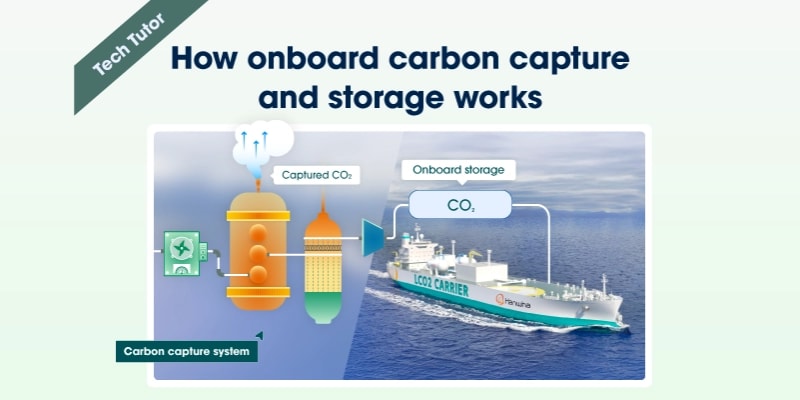
That's where onboard carbon capture comes in. The technology captures CO2 directly from a ship's exhaust gases before it enters the atmosphere. The captured carbon is then stored onboard and offloaded at port facilities for permanent storage or potential reuse.
Think of it as giving older ships a climate-friendly upgrade without replacing their entire propulsion system. Shipping companies can meet near-term emission targets while gradually transitioning their fleets to hydrogen, ammonia, or other zero-carbon fuels as those technologies mature and infrastructure expands.
The approach is particularly valuable for cargo ships, tankers, and other large vessels that travel vast distances and can't easily switch fuels mid-journey. These workhorses of global commerce have been among the toughest nuts to crack in the climate puzzle.
The Ripple Effect
This retrofit strategy creates breathing room for the entire maritime industry to evolve thoughtfully rather than frantically. Shipping companies avoid the financial shock of scrapping functional vessels prematurely. Port cities gain time to build the infrastructure needed for alternative fuels. And the atmosphere gets relief from carbon emissions right now, not in some distant future.
The technology also proves that climate solutions don't always require starting from scratch. Sometimes the fastest path forward involves upgrading what already exists, buying crucial time while next-generation innovations reach commercial scale.
As global supply chains depend on ships moving goods across oceans every single day, finding ways to decarbonize without disrupting trade matters for everyone. Lower emissions from shipping mean cleaner air in port cities, reduced contribution to ocean acidification, and meaningful progress toward international climate commitments.
The maritime industry's willingness to adopt interim solutions while pursuing long-term transformation shows that even the most challenging sectors can take meaningful climate action today.
#
Based on reporting by Google News - Emissions Reduction
This story was written by BrightWire based on verified news reports.
Spread the positivity!
Share this good news with someone who needs it