Ships Scan 22,000km² of Ocean to Map Plastic Hotspots
Nine cargo ships equipped with special cameras have helped create the world's most detailed map of ocean plastic, guiding cleanup crews to pollution hotspots. The successful three-year partnership just got renewed for four more years.
Cargo ships crisscrossing the Pacific Ocean are now doubling as ocean scientists, and the data they're collecting is transforming how we fight plastic pollution.
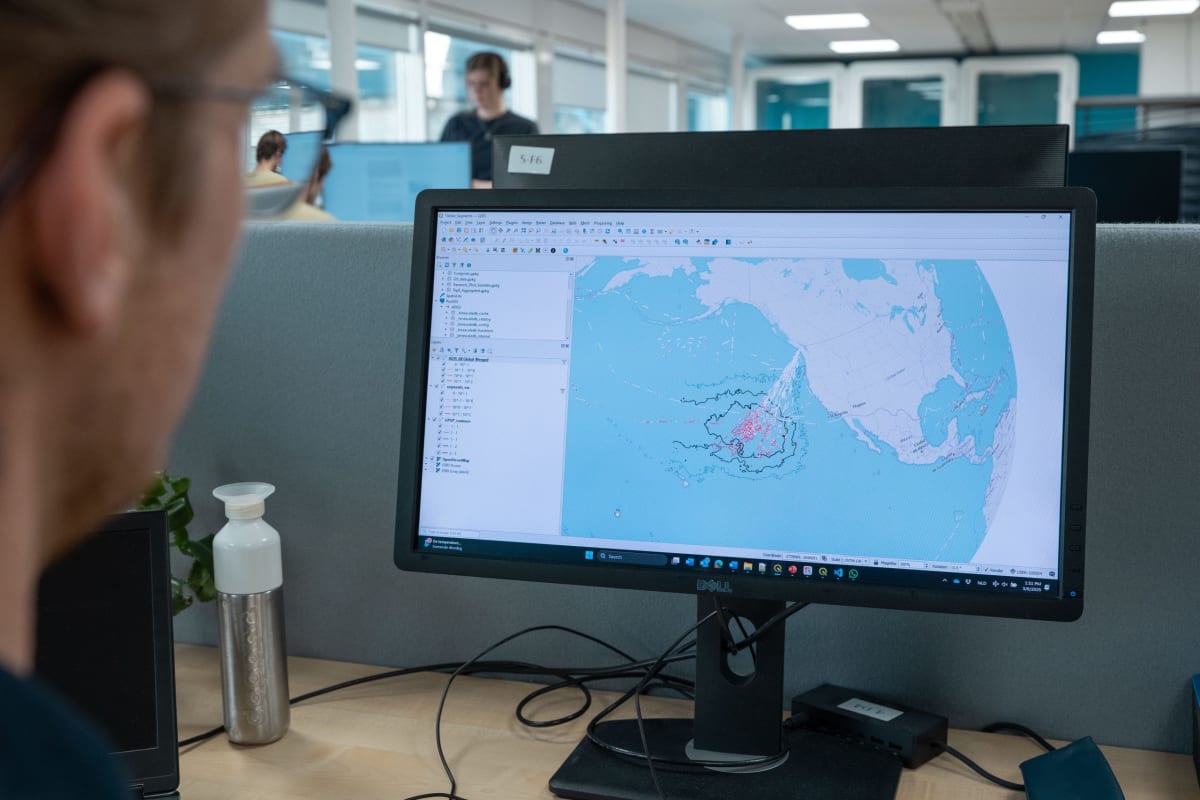
Since 2023, The Ocean Cleanup has mounted automated cameras on nine Hyundai Glovis cargo ships that scan the water 24/7 as they make their regular delivery routes. These cameras have already mapped over 22,000 square kilometers of the Pacific, recording exactly where plastic accumulates in our oceans.
The system works brilliantly simple. The Automated Debris Imaging System (ADIS) cameras passively record, identify, and log the location of every piece of floating plastic they spot. No extra fuel burned, no special routes needed. The ships just do what they already do while gathering critical environmental data.
This isn't just interesting information. The Ocean Cleanup uses this real-world data to direct their cleanup technology straight to the densest concentrations of plastic. Instead of guessing where to send crews, they combine the ship camera data with drone imagery and AI modeling to create a smart steering strategy that maximizes every cleanup mission.
The partnership has worked so well that Hyundai Glovis just renewed it for another four years. The Korean logistics company will add even more cameras to their fleet and provide additional funding for cleanup operations in both oceans and rivers. They're also exploring how their global transport network could support moving cleanup equipment where it's needed most.
Currently, half of all ADIS cameras deployed worldwide sit on Hyundai Glovis ships. That's 18 cameras creating an increasingly detailed scan of our oceans and building what researchers call the world's most comprehensive database on floating plastic debris.
The timing matters. The Ocean Cleanup has now pulled over 50 million kilograms of trash from aquatic ecosystems worldwide, but knowing exactly where to focus those efforts makes every mission more effective.
The Ripple Effect
This partnership shows how existing infrastructure can become a force for environmental good without disrupting normal operations. Every cargo ship traveling regular ocean routes could potentially become a floating research station, multiplying our understanding of marine pollution thousands of times over. When logistics companies leverage their global networks for data collection, they transform the scale of what environmental organizations can achieve. The model proves that environmental protection and international commerce don't have to compete; they can actively support each other.
Hyundai Glovis operates 28 locations across 152 countries, which means their ships touch nearly every corner of our connected oceans, creating an unmatched opportunity to understand and address marine pollution at a truly global scale.
Based on reporting by Google News - Ocean Cleanup
This story was written by BrightWire based on verified news reports.
Spread the positivity!
Share this good news with someone who needs it