Ships Start Capturing Their Own Carbon Emissions at Sea
New technology installed directly on cargo ships is now capturing up to 40% of their carbon emissions, offering a practical solution while the shipping industry waits for cleaner fuels to become available.
Cargo ships are getting a climate upgrade that could help clean up one of the world's most polluting industries without waiting for the future.
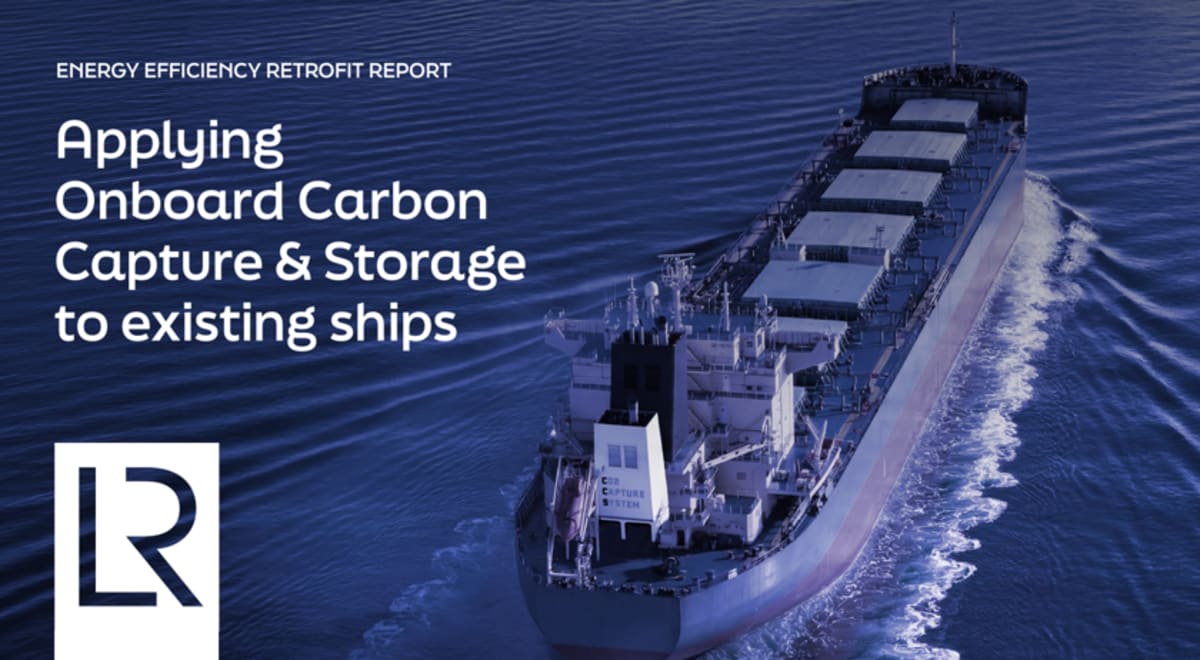
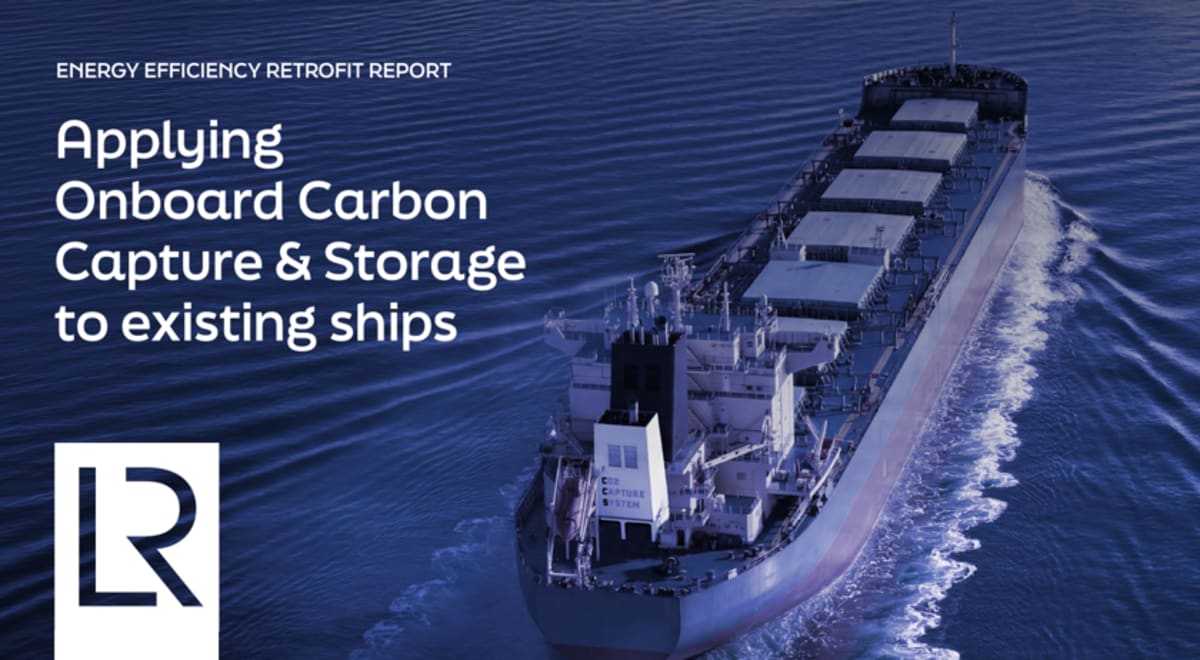
A new Lloyd's Register report reveals that onboard carbon capture systems are moving from concept to reality on the world's shipping fleet. Current installations are already capturing 30 to 40% of CO₂ emissions, with newer pilots aiming for 70%.
The timing couldn't be better. Shipowners face mounting pressure to cut emissions, but cleaner fuel options aren't ready yet. Only 4% of the zero-emission fuel production needed by 2030 has received final investment approval. Meanwhile, orders for ships that can run on alternative fuels have dropped from 45% to 37% in just one year.
That means most ships sailing today and being built now will still run on conventional petroleum fuels well into the 2030s. These vessels need a solution that works right now, not a decade from now.
The technology works by capturing CO₂ directly from exhaust gases. Ships then store the captured carbon onboard until they can offload it at port, where it's sent to permanent underground storage sites.
Not every ship makes sense for this retrofit. The report identifies three prime candidates: medium-sized tankers trading in European waters where carbon pricing applies, natural gas-powered vessels that can use their existing cold storage systems to handle captured CO₂, and smaller ships with frequent port access in Europe.
The Bright Side
What makes this development genuinely encouraging is that it gives shipping companies an immediate tool they can use today. Instead of waiting helplessly for fuel infrastructure to catch up, they can start cutting emissions now with technology that's already proven to work.
The systems do come with tradeoffs. They increase fuel consumption by 15 to 30% and require significant space onboard. Ships also need access to ports equipped to receive captured CO₂, which remains the biggest infrastructure gap.
But progress is happening on that front too. Major carbon storage projects are advancing in northwest Europe, including networks in the North Sea. As more ports add CO₂ reception facilities, more ships will find the technology viable.
The report emphasizes that this isn't meant to replace cleaner fuels. It's a bridge solution that lets existing ships reduce their climate impact while the industry builds out the infrastructure and supply chains needed for truly zero-emission shipping.
For an industry responsible for moving 90% of global trade, finding ways to cut emissions from today's fleet represents real, measurable progress on climate action.
More Images
Based on reporting by Google News - Emissions Reduction
This story was written by BrightWire based on verified news reports.
Spread the positivity!
Share this good news with someone who needs it