Sicilian Farmers Turn Volcano Ash Into Natural Fertilizer
Mount Etna dumps 12,000 tonnes of ash daily on nearby towns, but farmers have discovered it's actually a gift. They're turning the volcanic nuisance into free, sustainable fertilizer that boosts crops and cuts chemical use.
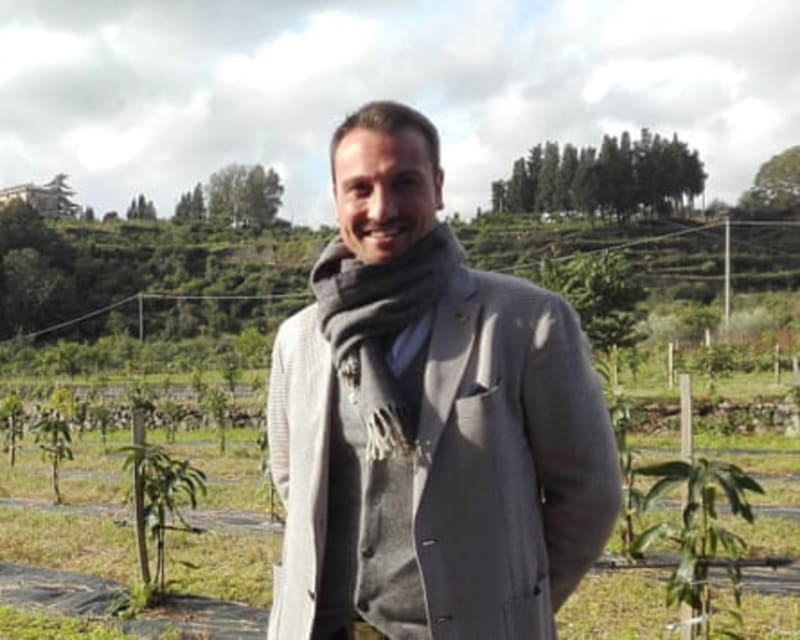
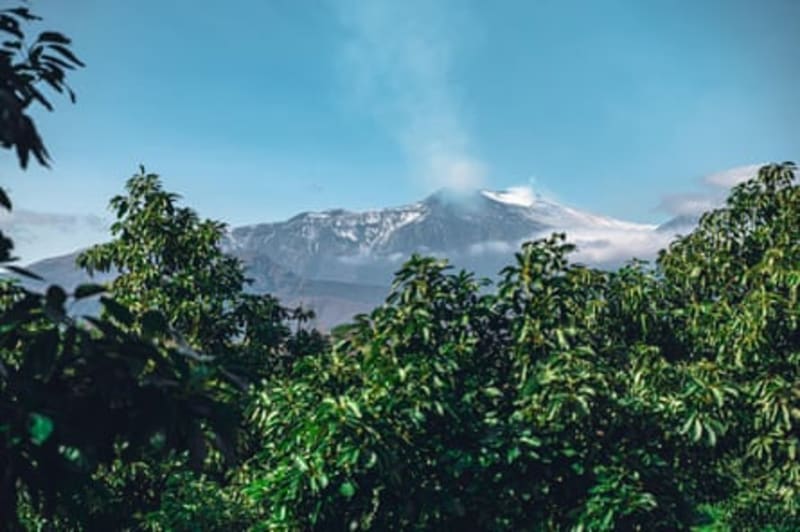
For generations, Andrea Passanisi's family viewed the ash falling from Mount Etna as nothing but a headache. Now the 41-year-old citrus farmer spreads it across his 100-hectare farm like liquid gold.
Etna erupts so frequently that towns like Giarre receive an average of 12,000 tonnes of ashfall every single day. In July 2024, nearby Catania collected 17,000 tonnes daily, taking nearly 10 weeks just to clean it all up.
Farmers were told for years that the ash endangered their crops and contaminated water supplies. They spent days off work cleaning it away, convinced they were protecting their livelihoods.
Then a five-year University of Catania study changed everything. Researchers analyzed the ash's chemical makeup and found it packed with iron, aluminum, and silica, perfect for enriching soil naturally.
Passanisi now uses the volcanic ash as fertilizer across his tropical and citrus orchards. "It allows us to use fewer chemicals, which makes fertilizing cheaper and more sustainable," he says. "It's the future of agriculture."
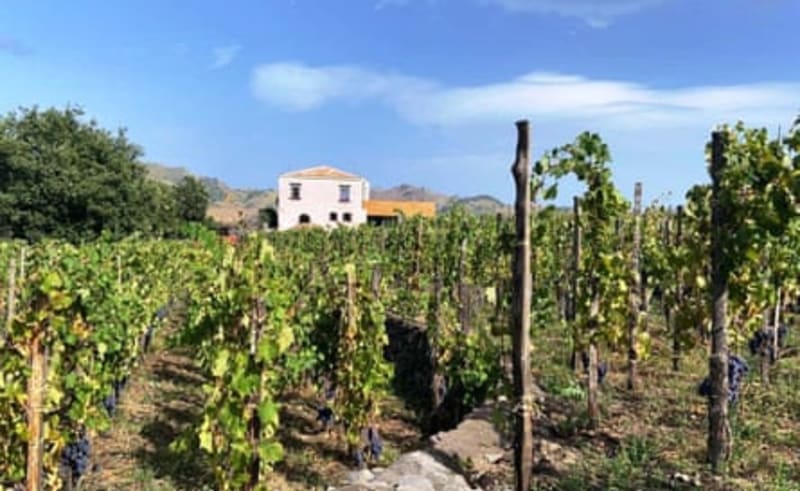
Emilio Sciacca, who owns a vineyard 38 kilometers from Etna, doesn't even bother collecting the ash anymore. He leaves it where it falls, letting it drain excess water and feed his soil naturally.
"Etna's ash represents an added value for volcanic soils, a gift for us producers that literally falls from the sky," Sciacca says. His grapes now thrive in the mineral-rich soil without expensive chemical fertilizers.
The Ripple Effect
The benefits extend far beyond Sicily. Icelandic farmers discovered the same gift after the 2010 Eyjafjallajökull eruption that disrupted international flights.
Wheat farmer Thórarinn Ólafsson noticed his untouched fields looked healthier than usual. His third-year wheat crops, which normally decline in quality, suddenly looked like first-year fields thanks to the volcanic boost.
The ash has proven useful in other industries too. Researchers found it works for road construction, wall insulation, water purification, and even 3D printer ink.
There's still one major obstacle. European waste laws require collected ash to be classified as municipal waste, which costs €300 per tonne to dispose of in landfills. Recycling it for agriculture would drop that cost to just €30.
Regional guidelines for ash reuse were published in 2024, but no companies have registered yet to collect and refine the material. Professor Paolo Roccaro, who led the research, remains optimistic about getting businesses on board.
In 2021, dozens of Sicilian towns nearly went bankrupt from ash cleanup costs. Now those same communities are sitting on mountains of free fertilizer that could transform agriculture across volcanic regions worldwide.
What farmers once swept away as garbage is becoming their greatest natural resource.
More Images

Based on reporting by Guardian Environment
This story was written by BrightWire based on verified news reports.
Spread the positivity!
Share this good news with someone who needs it