Silk Caterpillars Now Save Madagascar Forests and Farmers
A scientist who studied spiders turned native silk caterpillars into a conservation tool that's protected Madagascar's forests for over 20 years while giving local farmers new income. The program now runs independently under local leadership, proving conservation works best when communities benefit directly.
Catherine Craig went to study chimpanzees with Jane Goodall in 1972 and left with a question that would take decades to answer: how do you protect forests when nearby people have no way to earn money?
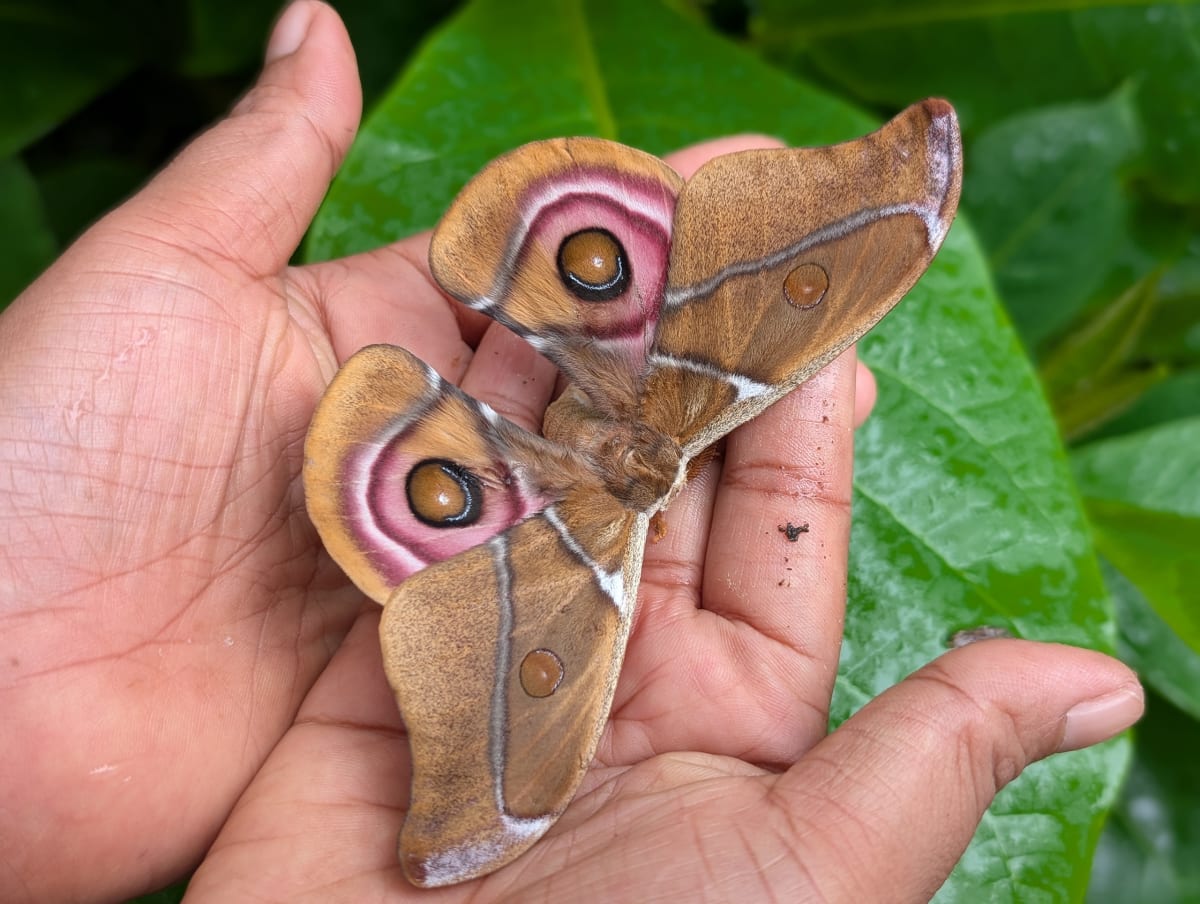
Her solution came through an unexpected path. After becoming a spider silk researcher at Yale, Craig realized Madagascar's native silk-producing caterpillars could be the key to saving border forests while lifting farmers out of poverty.
In 2004, she started working near Makira Natural Park in northeastern Madagascar. Instead of focusing on the protected park itself, Craig worked with farmers living along its edges where conservation policy and daily survival collided.
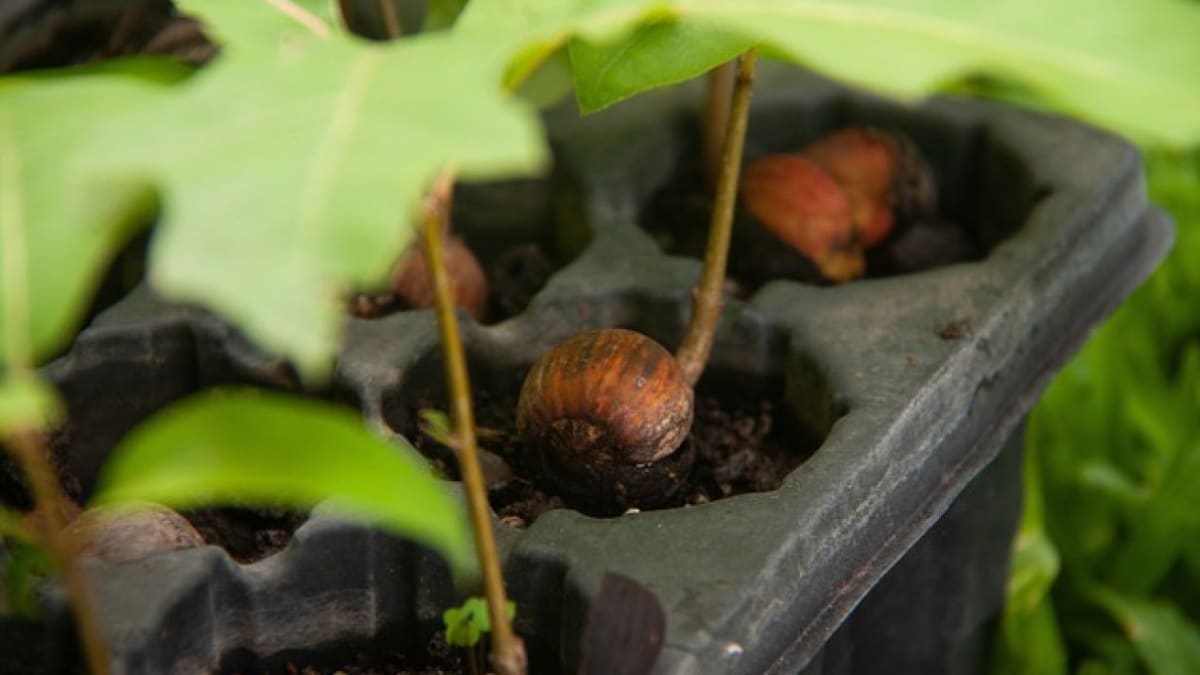
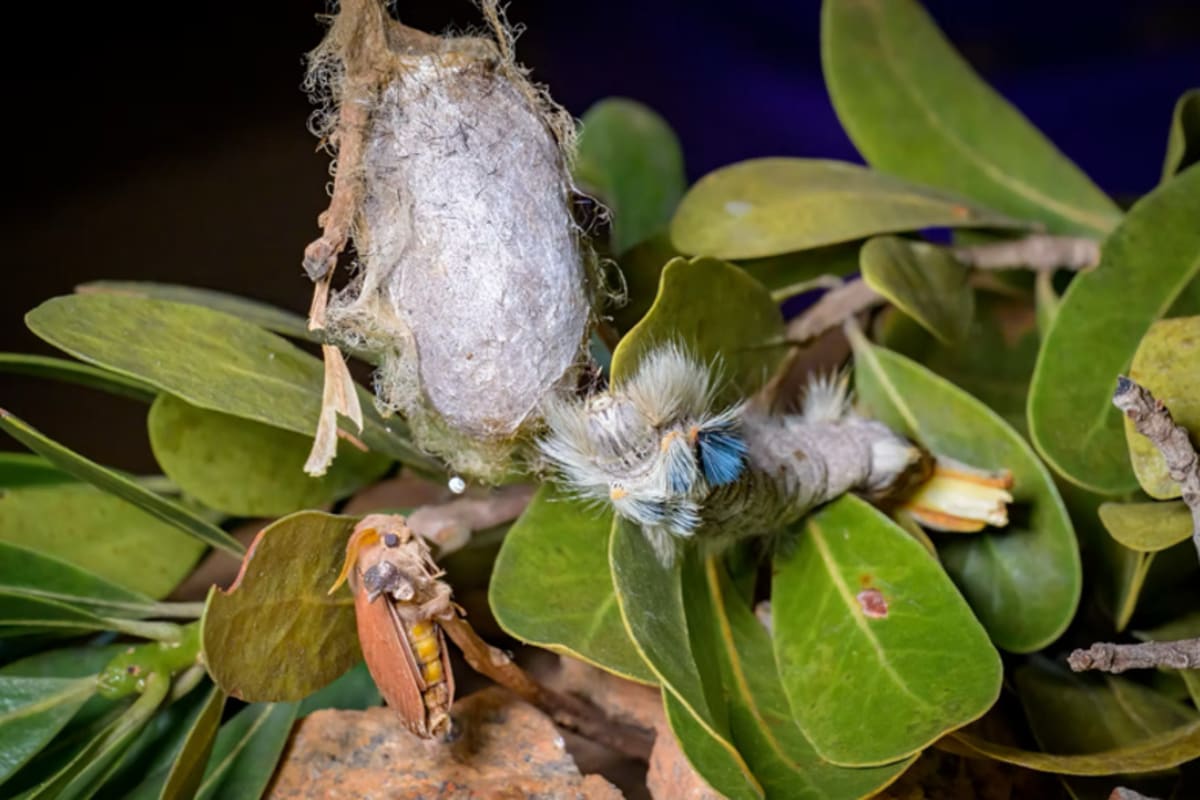
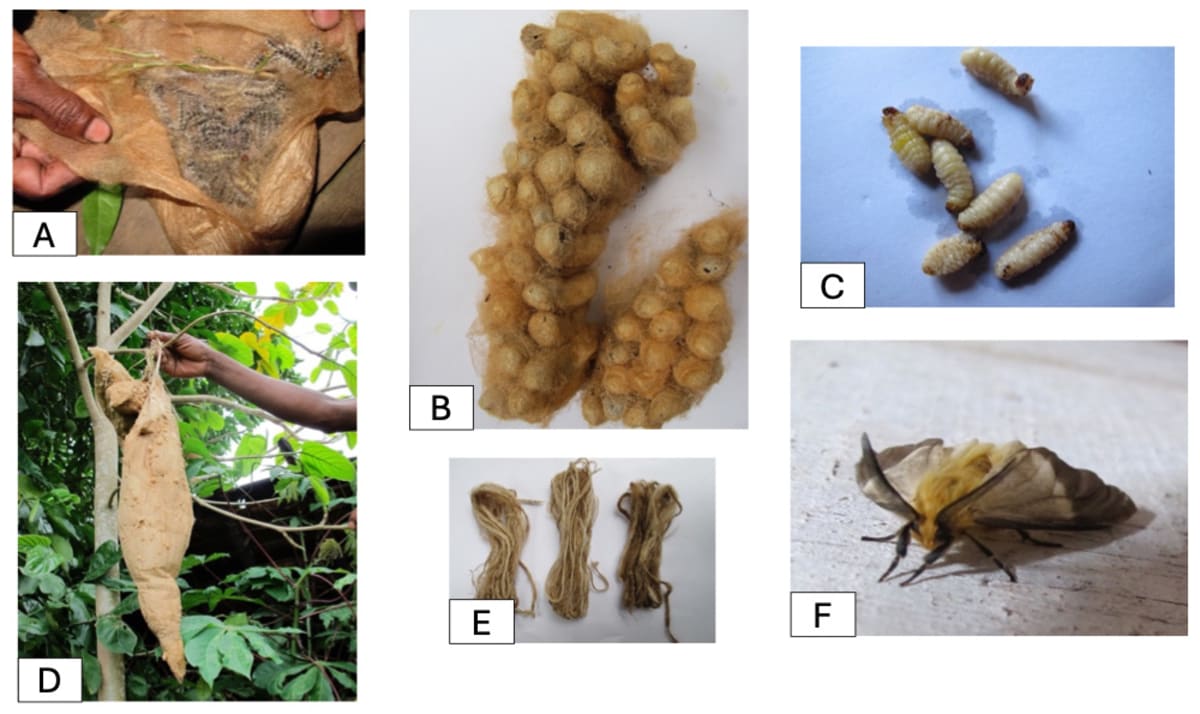
The caterpillars thrived in edge habitats and small farms, making them perfect for a model that worked with people's existing land rather than pushing them out. Farmers could collect cocoons, plant host trees, and earn income from insects that needed the same forest habitat conservationists wanted to protect.
Craig founded Conservation through Poverty Alleviation International (CPALI), but quickly learned that scientific expertise wasn't enough. Markets shifted, equipment broke, and electricity proved unreliable. What worked in New York didn't always fit village life.
The breakthrough came from listening. Farmers needed demonstration sites before committing. Elders required consultation. Progress happened on local timelines, not researcher deadlines.
The program expanded beyond silk to include raffia weaving, natural dyes, and agroforestry. When vanilla prices soared, some farmers switched crops. When prices crashed, silk cocoons provided a backup income stream that kept families afloat.
Malagasy leadership made the difference. Mamy Ratsimbazafy, initially hired as a field assistant, became director of the local partner organization SEPALI Madagascar. Women trained as artisans turned raw materials into products that reached international buyers.
After more than two decades, Craig stepped back from daily operations. The program now runs under local governance, financially secure and adapted to community needs.
The Ripple Effect
This project challenges how conservation typically works. Many programs fail because they ask local people to bear costs without sharing benefits. Craig's approach flipped that model.
Farmers now protect caterpillar habitat because it generates income. Women lead artisan workshops that provide year-round employment. Native tree planting happens because communities see direct value in maintaining biodiversity.
The model proved that conservation doesn't require keeping people out of landscapes. It requires making sure they benefit from keeping landscapes healthy.
Other regions with wild silk traditions are watching Madagascar's success. The approach works because it builds on existing cultural knowledge rather than imposing outside solutions.
When communities govern their own conservation enterprises and capture the economic benefits, forests survive.
More Images

Based on reporting by Mongabay
This story was written by BrightWire based on verified news reports.
Spread the positivity!
Share this good news with someone who needs it