Nestlé Restores 4,800 Hectares of Forest in Puebla
Nestlé Waters has planted nearly 790,000 trees in Mexico's Izta-Popo region, creating jobs for 180 local forest protectors while safeguarding water resources for communities. The decade-long partnership proves that conservation and community prosperity can grow together.
A forest restoration program in Puebla, Mexico is proving that protecting nature and supporting local livelihoods aren't competing goals.
Nestlé Waters recently planted 3,000 native trees in the Santa María forest near Tlahuapan, bringing their total to 789,904 trees planted across the region. The initiative has conserved more than 4,800 hectares and reforested over 750 hectares since partnering with Mexico's National Forestry Commission (CONAFOR) in agreements running through 2028.
Around 100 volunteers gathered for the recent planting day, including company employees, community members, and local authorities. They planted native pine species perfectly adapted to the region's ecosystem, all working to restore forest cover that helps recharge the Alto Atoyac watershed.
The program reaches far beyond one-day tree planting events. Through Local Payment Mechanisms for Environmental Services, the initiative supports 18 agrarian communities and ejidos who depend on these forests for their water and livelihoods.
"The conservation of this watershed is not a one-day task, it is a way of inhabiting the territory in harmony," said Miguel García, Business Executive Officer for Nestlé Waters. "Every drop of water that emerges from this spring is the result of thousands of hectares protected by local hands."
Those local hands belong to 180 community members who staff 18 forest protection brigades. These teams monitor the forests year-round, preventing and fighting fires while earning steady income from conservation work.
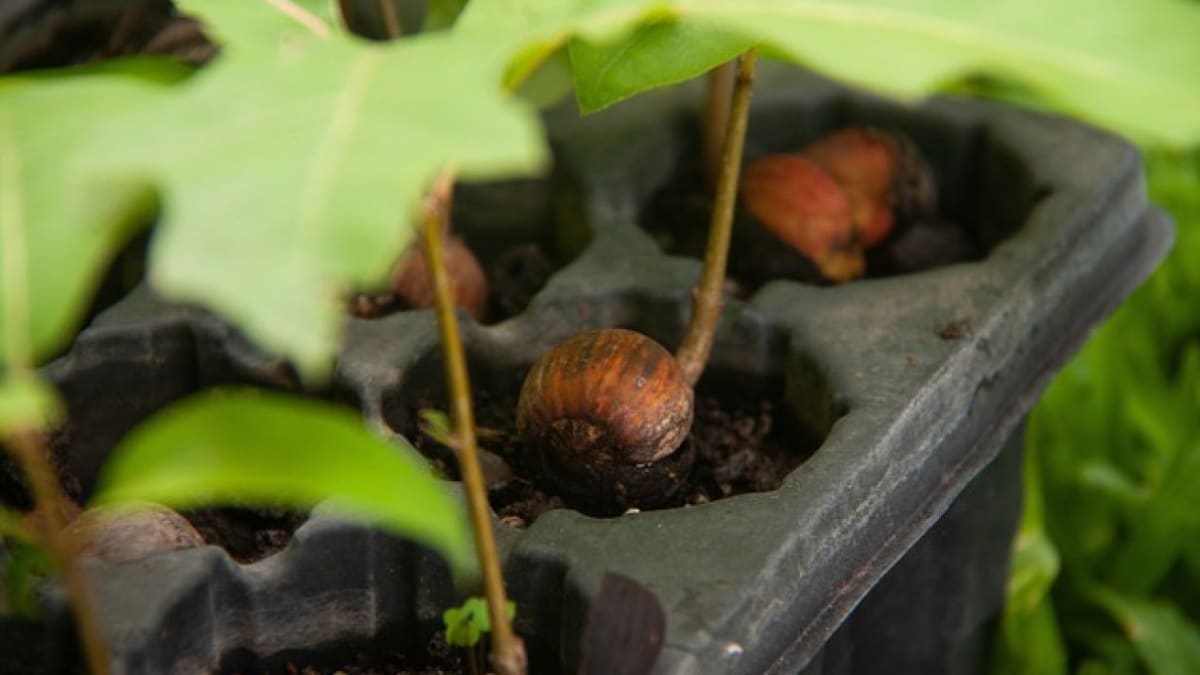
The program also operates community forest nurseries that produce over 504,000 native plants annually. These nurseries create local jobs while ensuring reforestation uses species with genetic characteristics suited to Puebla's unique ecosystems, including various oak and pine species.
The Ripple Effect
The conservation model is helping families diversify their income through sustainable ecotourism projects. Communities have developed cabins, zip lines, and interpretive trails, including regulated firefly observation tours that bring visitors without harming the forest ecosystem.
These activities give Tlahuapan families economic opportunities that depend on keeping forests healthy. When conservation becomes profitable, it becomes sustainable for generations.
The partnership demonstrates how corporate water security goals can align perfectly with community needs. Nestlé relies on healthy forests to maintain water supplies, while communities gain employment, infrastructure investment, and new revenue streams from protected lands.
Eighteen communities now have economic incentives to be the best forest stewards possible, creating a resilient model that doesn't depend on charity or short-term funding. Long-term water security for everyone grows from the same soil as thriving local economies.
Based on reporting by Google News - Reforestation
This story was written by BrightWire based on verified news reports.
Spread the positivity!
Share this good news with someone who needs it