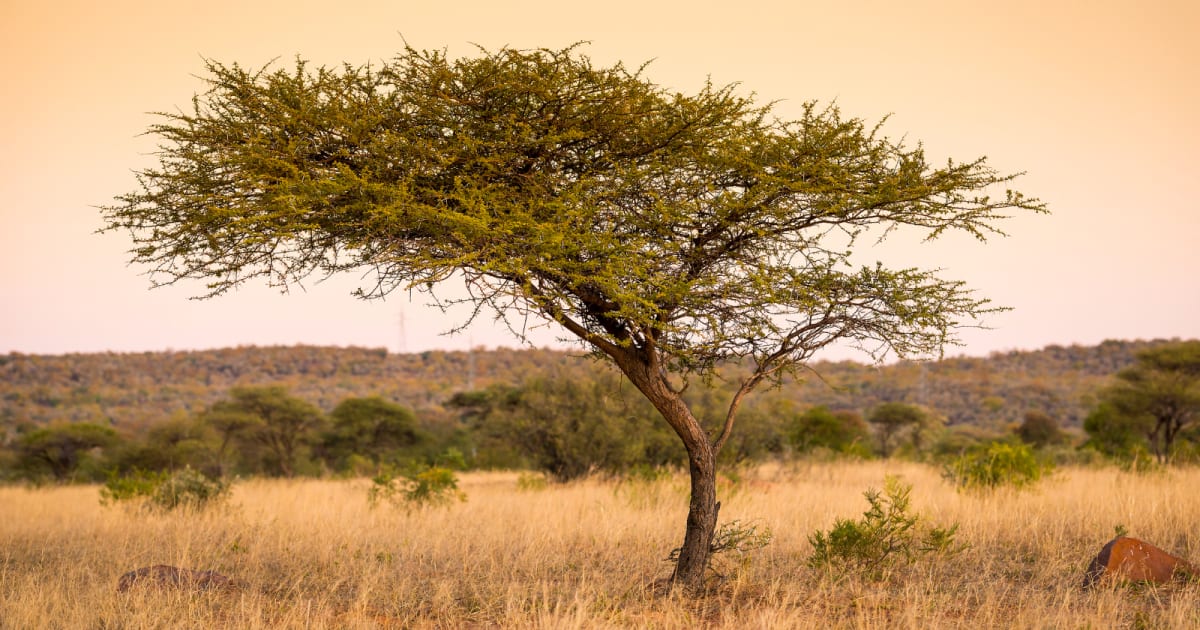
University Plants 550 Trees on Mexican Hill in First Phase
Over 1,000 volunteers from the University of Guadalajara joined forces with government agencies and the tequila industry to reforest more than 55 hectares of Cerro del Cuatro. The ambitious five-year project promises to reduce flooding, restore wildlife habitat, and create green spaces for five surrounding neighborhoods.
A Mexican hillside is getting a second chance at life, thanks to an army of volunteers who just completed the largest university-led reforestation effort in the Guadalajara region.
The University of Guadalajara rallied more than 1,000 students, teachers, and local residents to plant 550 trees across Cerro del Cuatro. Working alongside Mexico's National Forestry Commission and the tequila industry, the team transformed 55 hectares of degraded land into the beginnings of a thriving forest.
The project started in 2021 when the university built a new campus near the hill and realized the area desperately needed environmental restoration. Dr. Eduardo Santana Castellón from the Museum of Environmental Sciences explained that this isn't just about planting trees. The comprehensive plan includes protecting the hilltop from construction, creating safe public green spaces, and working directly with residents from five nearby neighborhoods.
Students embraced the challenge under the campaign slogan "Roar of Love." Paul Emmanuel Pablo Atanasio, an administrative secretary at the university center, noted that the effort has already strengthened community bonds while safeguarding local wildlife.
The transformation goes beyond aesthetics. Engineers installed gabion dams (wire mesh structures filled with stone) to control water flow and opened firebreaks to prevent wildfires. These practical measures address flooding that has plagued surrounding neighborhoods for years.
The Ripple Effect
The benefits are already visible and will grow stronger over the next five years. Residents can expect fewer floods as tree roots stabilize soil and absorb excess water. Air quality will improve as the expanding canopy filters pollution from the metropolitan area.
Biodiversity is returning too. Native flora and fauna that disappeared from the degraded hillside now have a chance to reestablish themselves. The restored forest will also provide free recreational space for communities that previously lacked safe outdoor areas.
Arturo Pizano from the National Forestry Commission emphasized that 23.7 hectares of the total project area received intensive intervention. The collaboration between universities, government agencies, and private industry shows how environmental restoration can succeed when everyone contributes.
Jalisco's state government is incorporating lessons from this project into its upcoming Ecosystem Restoration Strategy for 2025-2030. What started as one university's commitment to its neighbors could become a model for ecological recovery across the region.
The university community isn't stopping after phase one. They're inviting anyone who wants to join future reforestation brigades to follow their progress on social media and sign up for upcoming planting days.
Based on reporting by Google News - Reforestation
This story was written by BrightWire based on verified news reports.
Spread the positivity!
Share this good news with someone who needs it