Simple Drape Could Prevent 95% of Childbirth Deaths
A groundbreaking study across four African nations shows that a plastic drape and better detection methods could prevent 95% of deaths from postpartum bleeding. The solution costs less than treating the problem and could save 43,000 lives yearly.
Women don't have to die from childbirth bleeding anymore, and the solution is surprisingly simple.
Every year, 43,000 new mothers die from postpartum hemorrhage, the leading cause of maternal death worldwide. But a massive study involving over 200,000 women across Nigeria, Kenya, Tanzania and South Africa just proved we can stop it.
The breakthrough came from something remarkably straightforward: a plastic drape with measurement lines. Doctors and midwives typically eyeball blood loss after delivery, missing dangerous hemorrhages about half the time. The specially designed drape collects blood beneath the mother, letting healthcare workers see exactly how much she's losing.
"Typically, the women say, 'I feel like I'm dying,'" says Ioannis Gallos from the World Health Organization's Maternal and Perinatal Health Unit. Without quick action, a woman can die within 10 to 20 minutes of excessive bleeding.
The research team didn't stop at detection. They combined the drape with clear treatment guidelines and simultaneous interventions like uterine massage, medication and IV fluids. The results were unmistakable: severe bleeding dropped massively.
Dr. Olufemi Oladapo, who co-authored the three-part series published in the Lancet, remembers a patient he couldn't save early in his career in Nigeria. After trying for six years to get pregnant, she died while he ran between hospitals searching for blood. That memory drove his work on this research.
The study revealed a heartbreaking survival gap. Postpartum hemorrhage happens at the same rate everywhere, but mortality rates in under-resourced countries like Afghanistan and Vietnam can be over 200 times higher than in wealthy nations. The difference isn't the bleeding itself but what happens next.
The Ripple Effect
This solution reaches far beyond individual mothers. The economics alone make a powerful case: preventing postpartum hemorrhage costs less than treating it. Dr. Oladapo says investing just 5% of current treatment costs into prevention would save both lives and money.
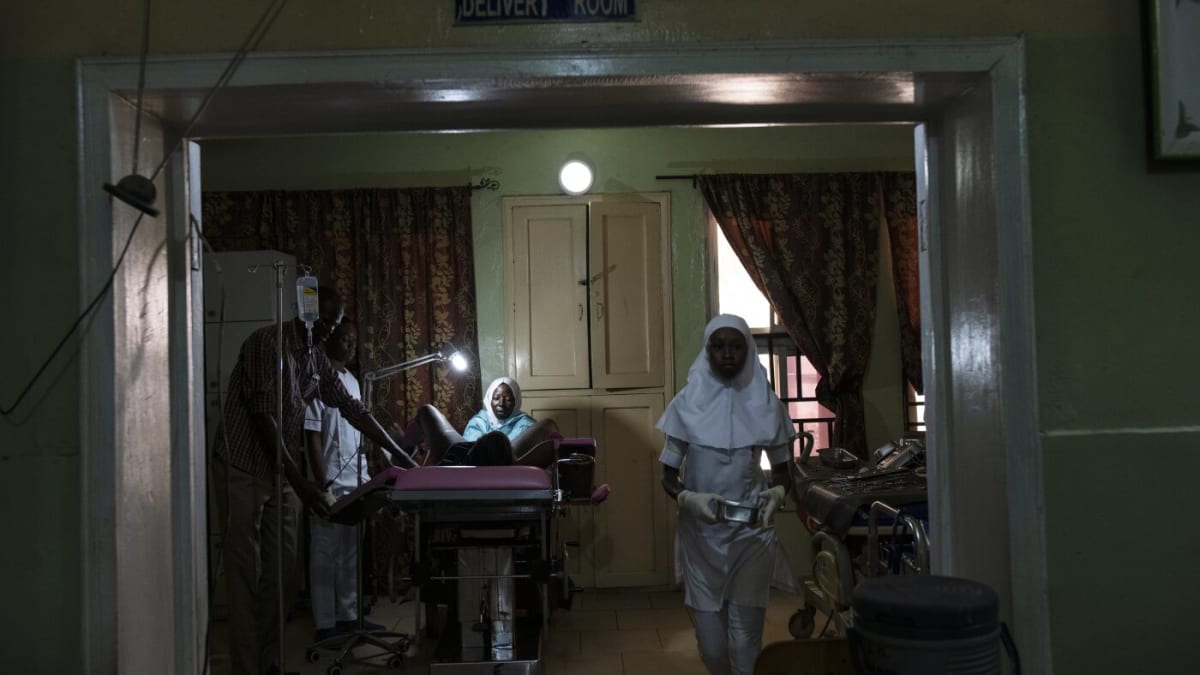
The research also calls for simulation-based training for entire care teams, like pit crews working together seamlessly. Professor Doreen Kainyu Kaura from the University of the Western Cape says the approach aligns perfectly with real delivery room experience.
Dr. Harshad Sanghvi, former Chief Medical Officer at Jhpiego, a nonprofit focused on women's and children's health, called the series "a significant call to action." He believes this decade could be the one where postpartum hemorrhage stops being the leading cause of maternal death.
The tools exist right now. "If we use what we have now, we will reduce more than 95% of the deaths," says Dr. Oladapo. The goal now is getting medical professionals worldwide to adopt these lifesaving recommendations.
Professor Adam Devall from the University of Oxford, who worked on the research, puts it simply: the drape and clear protocols turn postpartum hemorrhage from a deadly race against time into something preventable.
This breakthrough could mean 43,000 mothers coming home to their babies every year instead of dying in delivery rooms.
More Images

Based on reporting by Google News - Health
This story was written by BrightWire based on verified news reports.
Spread the positivity!
Share this good news with someone who needs it