Simple System Change Catches More Colon Cancers Early
Health systems can more than double cancer screening rates with organized outreach programs, saving lives by catching colorectal cancer when it's easiest to treat. New research shows the solution isn't about convincing patients—it's about making testing easier to continue.
Nearly half of people who complete an at-home colon cancer screening test never repeat it consistently, but a groundbreaking study from Rutgers Health shows health systems have the power to change that.
Researchers tracked nearly 493,000 adults across four major health systems for up to a decade after their first negative home stool test. The results revealed something surprising: where you get your care matters far more than your personal beliefs about prevention.
Only 54% of patients repeated the annual test consistently. Another 30% did it at least once more, while 16% never tested again. The stakes are serious. Among those later diagnosed with colorectal cancer, 19% of people who never retested had advanced disease compared to just 12% in other groups.
Here's the good news: one health system figured out how to dramatically improve those numbers.
Kaiser Permanente Northern California achieved the highest screening rates by completely rethinking their approach. Instead of waiting for patients to request tests, they mailed kits directly to people who were overdue. They placed kits at primary care offices, labs, pharmacies, and even flu clinics for easy pickup.
This strategy caught patients who don't regularly visit doctors for checkups. After researchers adjusted for patient differences, the odds of consistent testing varied more than 20-fold among the four systems studied.
The Ripple Effect
The impact reaches far beyond individual patients. Proper colorectal cancer screening delivers huge returns in both extra healthy years and medical spending avoided, according to lead researcher Ethan Halm, vice chancellor for population health at Rutgers Health.
Local-stage cancer, the easiest to treat, was the initial diagnosis in 56% of consistent retesters but only 44% of people who never tested again. That difference means more people catch cancer when treatment is most effective.
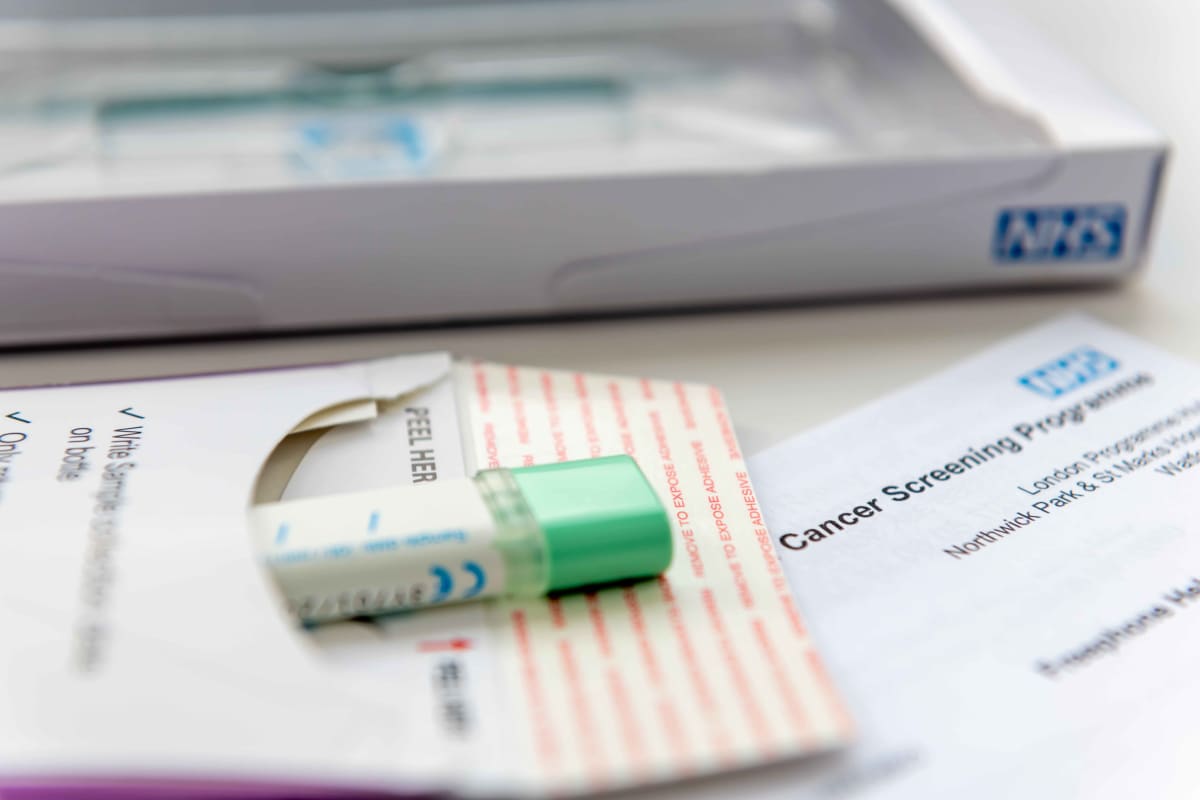
The home stool test analyzed in the study is inexpensive and easy to conduct. Patients simply poke a stool sample with a plastic stick and return it to a lab, which checks for microscopic blood that can signal cancer or advanced polyps.
The study found older and healthier patients were more likely to repeat screening, as were people who had seen their primary care doctor recently. But individual factors mattered far less than system-level support.
Halm emphasizes that making a home test available is only the first step. Health systems can dramatically improve outcomes by tracking who is overdue, proactively contacting patients, and repeatedly putting tests in their hands.
"The best test is the test that gets done," Halm said.
The lesson is clear: organized outreach strategies work, and they can be implemented anywhere.
Based on reporting by Google News - Researchers Find
This story was written by BrightWire based on verified news reports.
Spread the positivity!
Share this good news with someone who needs it