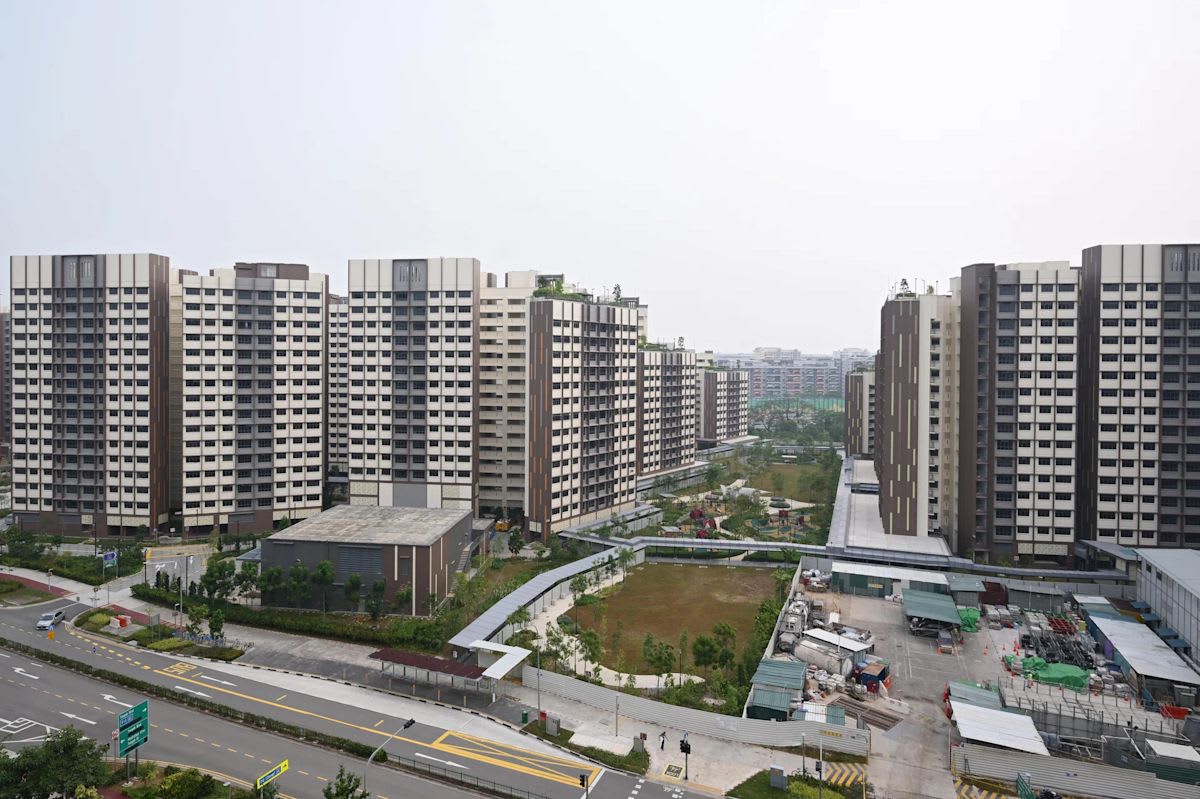
Singapore Completes First AI-Powered Smart Housing Project
Singapore just finished building public housing that uses 25% fewer workers thanks to robots, 3D printing, and smart tech. The breakthrough could transform how millions get affordable homes worldwide.
Singapore's Housing Board just completed a revolutionary apartment complex that builds itself with less manpower, waste, and time than ever before.
Garden Waterfront II in Tengah became the country's first Construction Transformation Project in June, using robots, 3D printing, and prefabrication to make building homes faster and smarter. The project achieved a 25% productivity boost compared to traditional construction methods.
Instead of having workers build everything on-site, major structural components were assembled in factories and delivered ready to install. This approach reduced crane usage, cut down on construction site congestion, and needed fewer workers to complete the same amount of work.
The innovation solves a real problem. Construction everywhere faces worker shortages, and traditional building methods can't keep up with housing demand.
One standout feature: intelligent lifting frames developed with Singapore's National University now detect imbalances in heavy loads and let crane operators control everything remotely. Workers can stay at safe distances while massive concrete pieces get positioned with precision, potentially cutting installation time by 30%.
The projects also showcase the largest 3D-printed structure in Singapore public housing to date. A stunning concrete arbour in the common area used half the concrete of traditional builds, proving that smart design can mean less waste without sacrificing beauty.
The Ripple Effect
More than 2,000 families moving into these apartments will get another bonus: smart adapters that track electricity use in real time through a mobile app. The free technology helps residents understand and reduce their energy consumption, putting sustainability in their hands.
Six other housing projects across Singapore are already adopting these beam-free, column-free designs that give families more flexibility to arrange their living spaces however they want. Areas like Bayshore, Bukit Merah, and Kallang now feature apartments where rooms feel more spacious and adaptable.
The success matters beyond Singapore's borders. With global housing shortages affecting cities worldwide, these construction breakthroughs offer a roadmap for building quality homes faster and more sustainably.
Garden Waterfront I, the second phase using these same technologies, will complete by late 2026 with even more refinements based on lessons learned. Each innovation tested here moves closer to making affordable housing accessible to more people who need it.
Singapore is proving that the future of construction isn't just about building faster—it's about building smarter for the people who will call these places home.
More Images


Based on reporting by Google News - Singapore Technology
This story was written by BrightWire based on verified news reports.
Spread the positivity!
Share this good news with someone who needs it